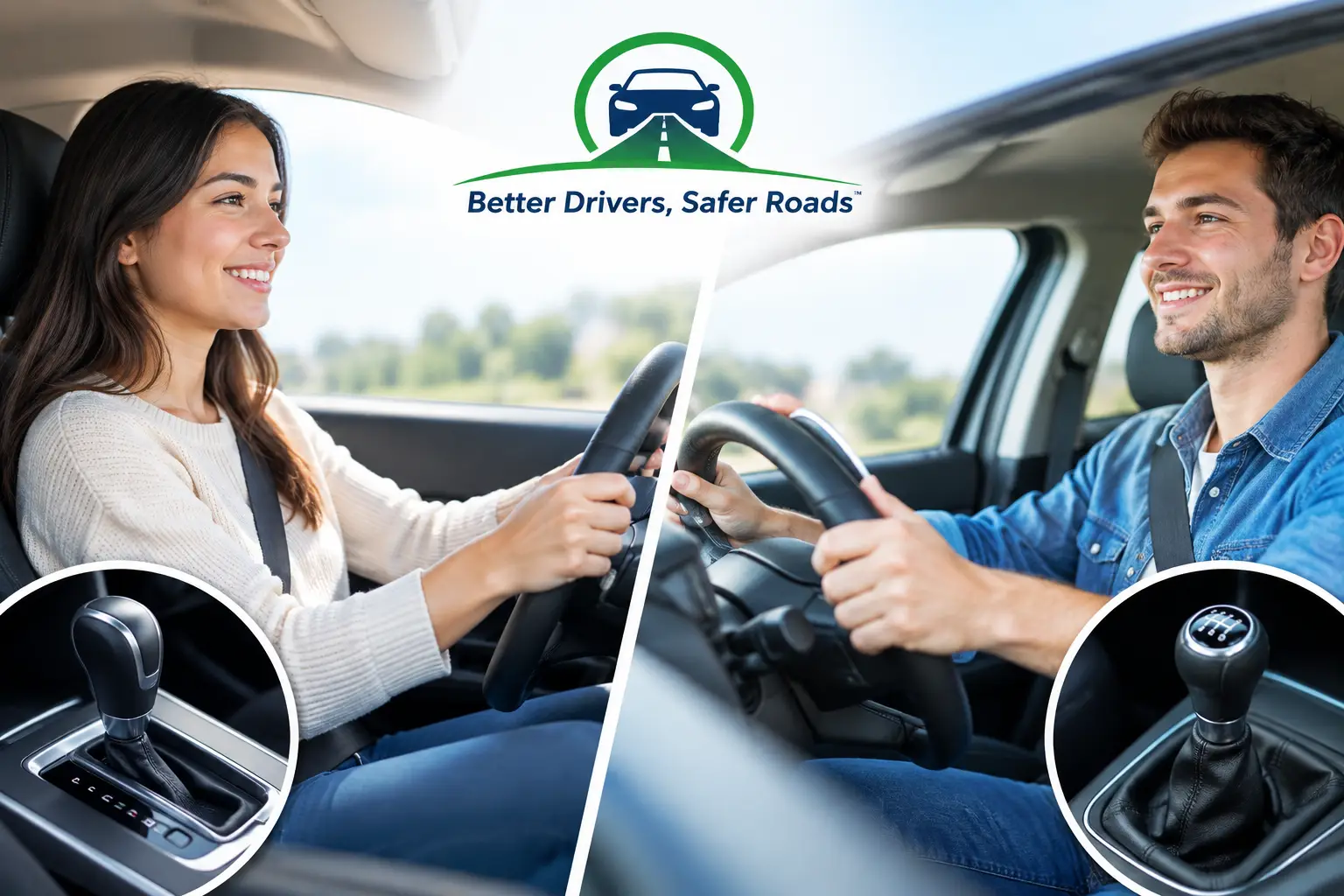
Choosing automatic versus manual driving lessons affects your license, confidence, practice options, and DMV goals. Learn which fit is right for you today.
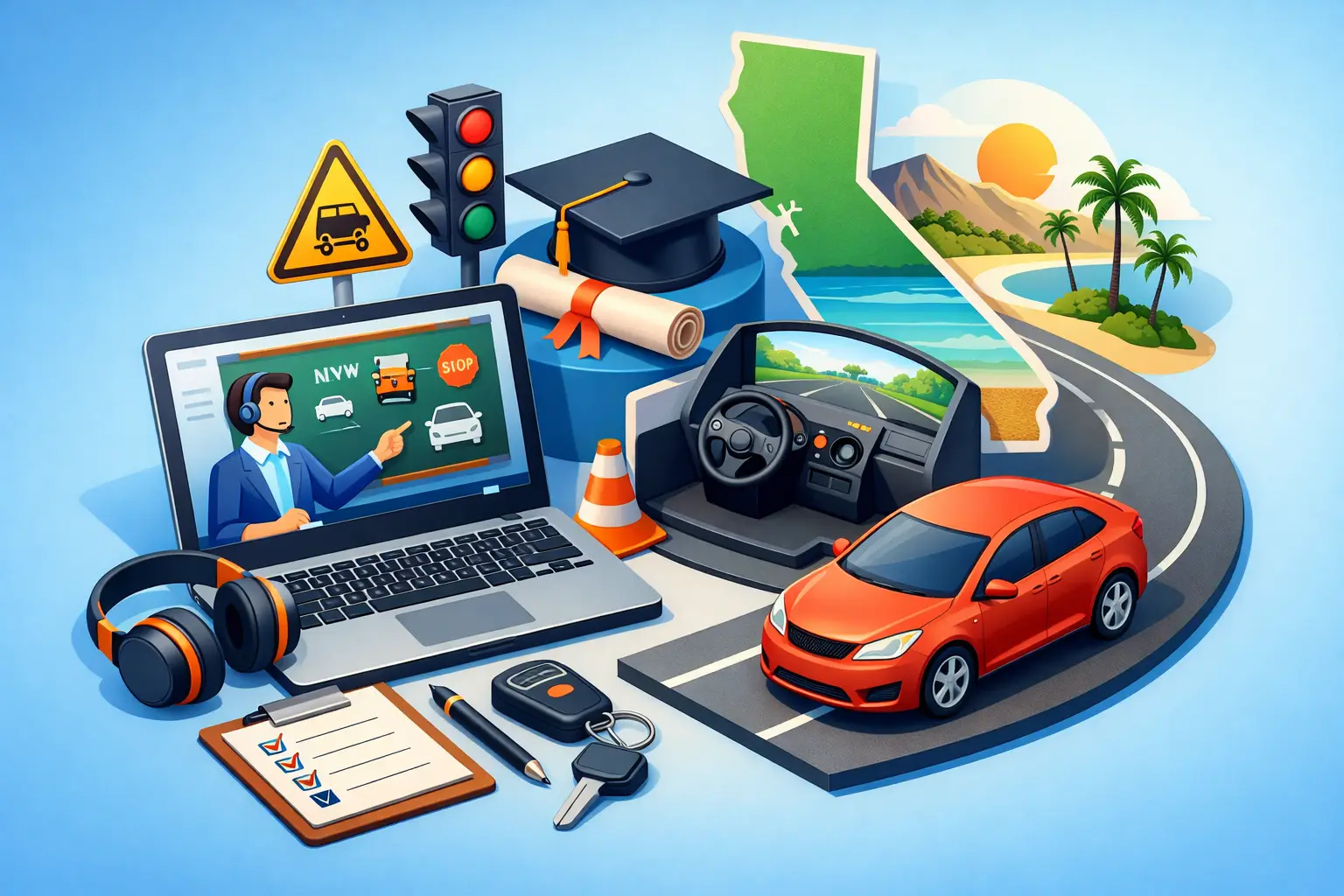
Online Driver Education California Guide
A lot of students sign up for online driver education California courses thinking the hardest part is staying awake through the material. Usually, the real challenge is choosing a program that is legitimate, clear, and actually prepares you for the DMV – not just one that checks a box.
That matters whether you are a teen working toward a permit, a parent comparing options, or an adult finally deciding it is time to get licensed. California gives learners more flexibility than ever, but flexibility only helps if the course is accurate, state-appropriate, and built for real understanding. A good program should make the rules of the road easier to learn, reduce stress around the written test, and set up the next step in training with confidence.
What online driver education California actually covers
In California, driver education and behind-the-wheel training are not the same thing. Driver education is the classroom-style learning portion. It covers traffic laws, road signs, right-of-way rules, defensive driving concepts, impaired driving risks, and the responsibilities that come with operating a vehicle.
When that program is offered online, students complete the required lessons through a digital platform instead of attending a traditional classroom session. That format works especially well for busy families, high school students balancing activities, adult learners with work schedules, and anyone who learns better at their own pace.
For teens, this education piece is often a required step before applying for a learner’s permit. For adults, it may not be mandatory in the same way, but it can still be a smart move. Many adult students benefit from a structured course because California traffic law is detailed, and memory alone is not always enough when it comes time to take the written exam.
Who benefits most from online driver education in California
Teens are the most obvious group, but they are not the only ones. Parents often prefer online learning because it gives their child a flexible way to complete the academic portion of training while still keeping progress visible. It can also reduce scheduling pressure compared with fixed classroom sessions.
Adult learners often choose online programs for a different reason. Many are juggling jobs, family responsibilities, or anxiety about starting late. A self-paced format gives them privacy and time to review difficult sections more than once. That can make the learning process feel less intimidating.
International drivers and new California residents also benefit. Even experienced drivers can be surprised by state-specific rules, signage, and testing expectations. An online course can serve as a practical reset, especially for anyone adapting to U.S. traffic laws or preparing for a California DMV exam after years of driving elsewhere.
What to look for in an online course
Not all courses are equally useful. Some are technically compliant but do very little to help students retain information. Others are better organized, easier to follow, and more realistic about how people actually learn.
Start with the basics. The course should be California-specific, easy to navigate, and designed for actual comprehension rather than speed-clicking through screens. Clear explanations matter. So does a logical lesson sequence. If students are confused by the platform itself, they are less likely to absorb the material.
It also helps to look for a school that does more than sell an online course. A provider with broader driver training experience often understands where students struggle after the permit stage too. That perspective can improve the quality of the curriculum because it reflects real student questions, common DMV mistakes, and the safety issues instructors see every day.
Customer support is another factor people overlook. If a student has trouble logging in, accessing a completion certificate, or understanding course requirements, responsive support makes a big difference. The same goes for families who want clear next steps after the online portion is complete.
The trade-off between convenience and quality
Online learning is convenient. That is the main reason people choose it. But convenience alone does not make a student safer or more prepared.
A self-paced course can be highly effective for motivated learners who read carefully and take the material seriously. It can be less effective for students who rush, multitask, or treat every quiz like a guessing game. That does not mean online education is weaker than in-person instruction. It means the format works best when the course is well built and the student is engaged.
Parents should keep that trade-off in mind. If a teen tends to procrastinate, an online option may need more structure at home. If a student is independent and comfortable with digital learning, the online format may be a very strong fit. For anxious adults, it can be the difference between avoiding the process and finally making progress.
Why driver education should connect to real-world training
The best online driver education California programs do more than explain laws. They help students understand how those laws show up in real driving situations.
For example, right-of-way rules are not just test questions. They affect left turns at busy intersections, pedestrian interactions in residential neighborhoods, and split-second decisions in parking lots. Speed management is not just a posted number. It involves weather, traffic flow, school zones, and hazard awareness.
That is why students often do best with a provider that can support the full path – permit prep, behind-the-wheel instruction, road test preparation, and skills development for specific needs. A learner should not have to piece together an education plan from unrelated services if a more coordinated option is available.
At Newport Driving School, that broader approach is part of what helps students move from coursework to actual road readiness with less confusion and more confidence.
Common mistakes when choosing online driver education California
One common mistake is choosing based on price alone. Low cost can be appealing, but if the course is outdated, hard to use, or poorly explained, students may end up paying again in lost time, frustration, or extra test attempts.
Another mistake is assuming all students need the same format. A teen with strong study habits may do very well online. A student with attention challenges, language barriers, or test anxiety may need a course paired with more personalized support. It depends on the learner, not just the requirement.
Some families also focus only on the permit stage and forget to plan ahead. Finishing driver education is a milestone, but it is not the finish line. Students still need practical driving experience, safe habits, and often professional behind-the-wheel instruction to build judgment and confidence.
How to tell if a program is built for student success
A strong program usually feels clear from the start. Expectations are easy to understand. Lessons are organized logically. The language is accessible without being watered down. Students know what they completed, what comes next, and how to get help if needed.
You should also look for signs that the provider understands different types of learners. Teens, adults, seniors, and international drivers do not all approach training the same way. A student-centered school recognizes that and adjusts its communication and teaching methods accordingly.
Experience matters too. A provider with a long track record in California driver training has likely worked with first-time drivers, nervous students, repeat test takers, and families with very different schedules and needs. That kind of experience tends to show up in better instruction, better support, and fewer surprises.
Is online driver education the right choice for you?
For many students, yes. It offers flexibility, privacy, and the ability to move at a manageable pace. It can be especially useful for busy households, adult learners, and students who want the convenience of learning from home.
Still, the right choice depends on how the student learns best. Some people thrive online. Others need more accountability or personal guidance. There is nothing wrong with that. The goal is not to choose the trendiest format. The goal is to choose the training path that leads to safe, confident driving and a better chance of success at the DMV.
If you are comparing options, think beyond the course itself. Look at the quality of instruction, the reputation of the provider, the level of support, and whether the school can guide the next steps after the certificate is issued. Driver education works best when it is part of a complete plan, not a disconnected task.
The smartest first step is the one that makes the rest of the licensing process easier, safer, and less stressful.

Related Posts

Comments (0)