Learn how to relearn driving skills with a safe, structured plan to rebuild confidence, update habits, and prepare for California roads and DMV tests.
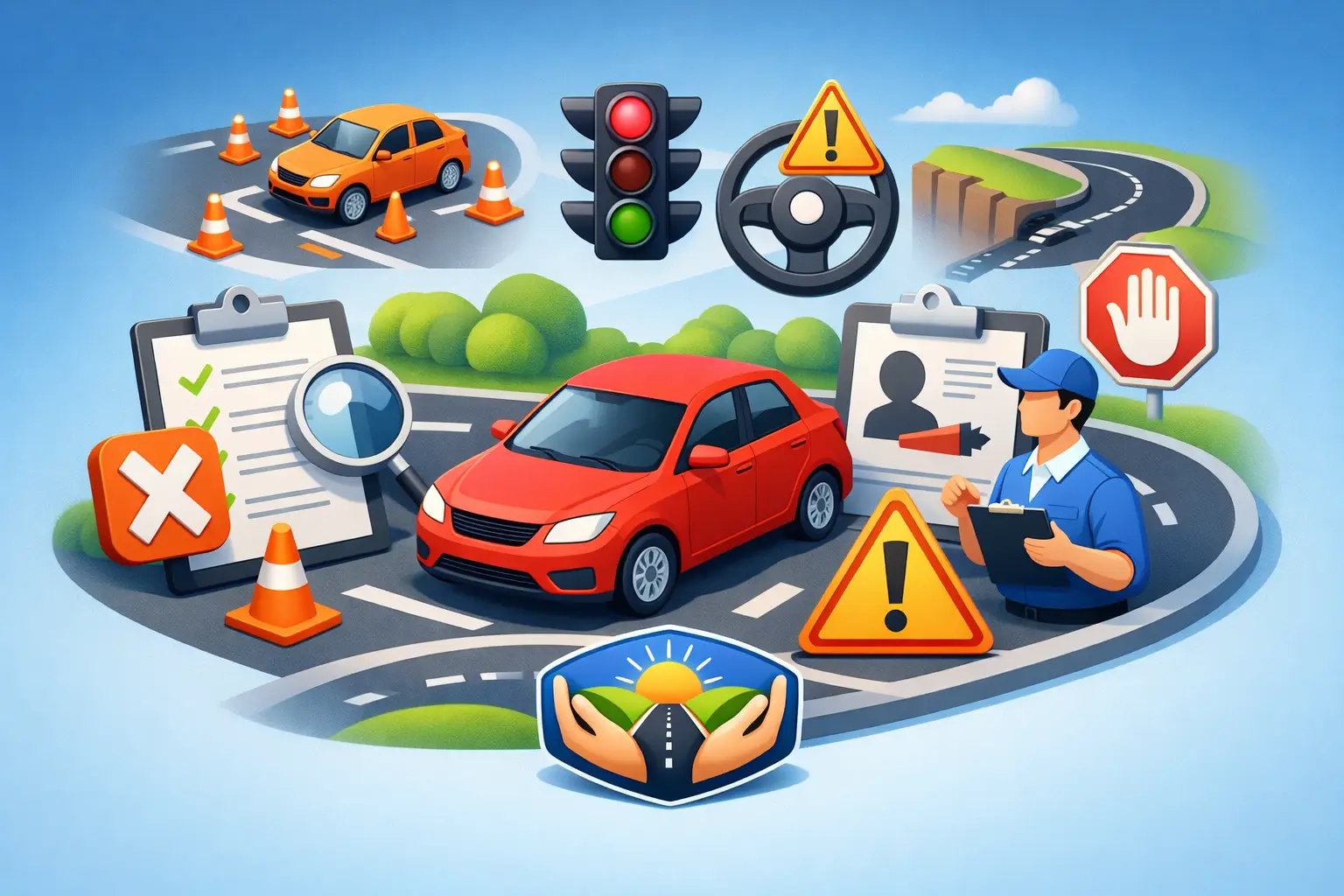
12 Best Road Test Mistakes to Avoid
A road test can go sideways in the first two minutes. Not because you cannot drive, but because nerves make simple habits disappear – checking mirrors, stopping fully, signaling early, and reading the speed limit correctly. If you are searching for the best road test mistakes to avoid, the goal is not to drive perfectly. It is to show the examiner that you are safe, attentive, and consistent.
That distinction matters. Many students think the test is designed to catch them doing something wrong. In reality, the examiner is looking for predictable, lawful decisions in ordinary traffic. A smooth, cautious drive usually scores better than a tense drive filled with rushed turns, late braking, and overcorrections.
Best road test mistakes to avoid before the car even moves
Some road test errors start before you put the car in drive. These are easy to prevent, but they still cause avoidable problems.
First, know the vehicle you are bringing. If you are unfamiliar with the brake pressure, turn signal position, windshield controls, or backup camera view, your attention gets split at the worst possible time. The test is not the day to try a relative’s larger SUV or a car with features you have barely used.
Second, arrive early enough to settle down. Walking in late raises your stress level immediately, and stress shows up in your driving. A few extra minutes can help you adjust mirrors, position your seat, silence your phone, and take a breath before the examiner arrives.
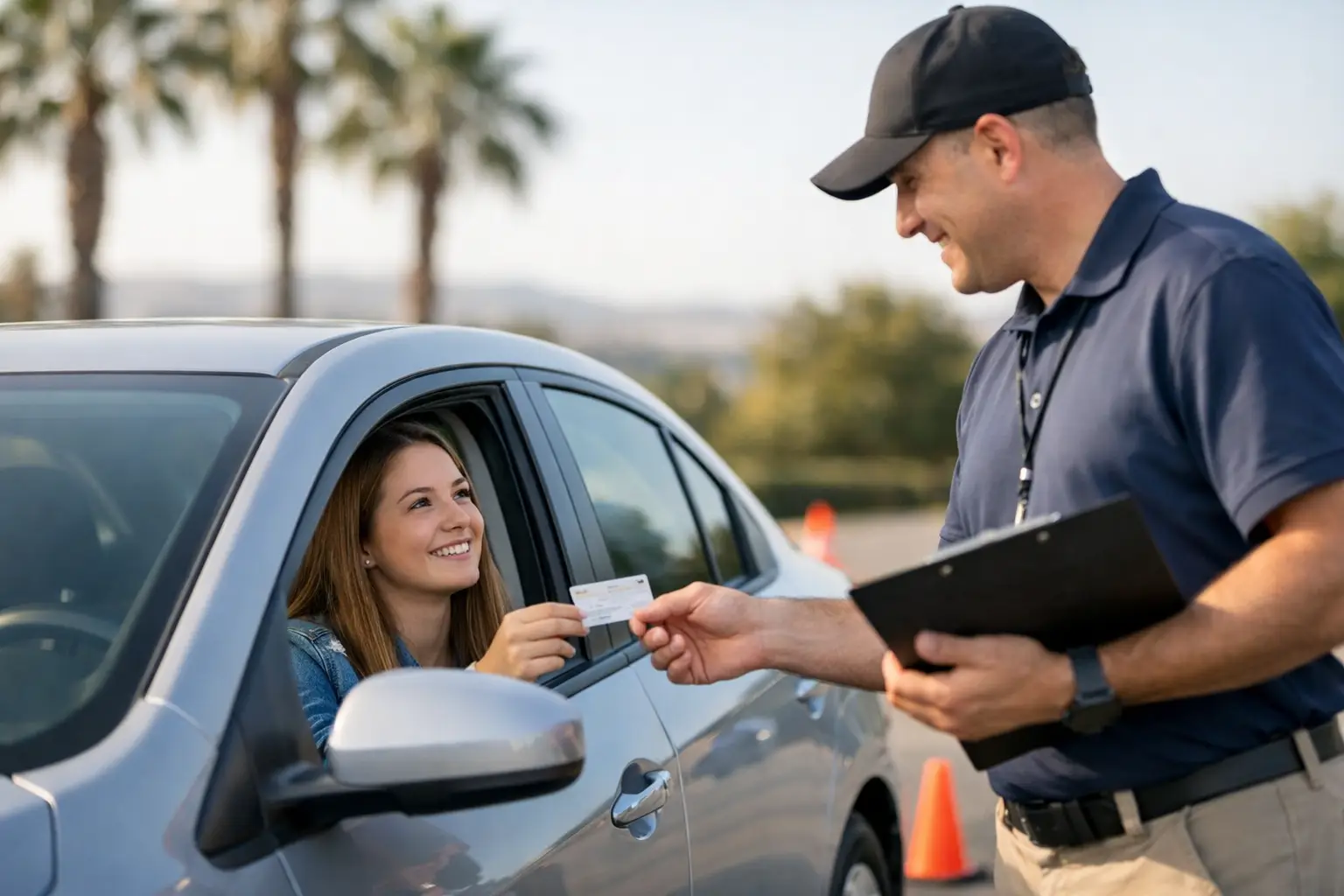
Third, make sure the car is legal and test-ready. If a brake light is out or the registration is missing, you may not even get the chance to test. That is frustrating because it has nothing to do with your driving skill.
The most common moving violations on road tests
When people ask about the best road test mistakes to avoid, they usually mean the mistakes that lead to point deductions or an automatic failure. These often come down to observation, control, and judgment.
Rolling through stop signs
This is one of the biggest problems for otherwise capable drivers. A slow roll is still not a stop. Your car needs to come to a complete stop behind the limit line, crosswalk, or corner, then proceed when safe.
Many learners know this rule but forget it when anxious. They focus on what comes next and treat the stop as a pause instead of a full stop. Practicing deliberate, complete stops builds the habit you need on test day.
Forgetting blind spot checks
Mirrors help, but they do not replace turning your head. Examiners want to see that you check blind spots before lane changes, pulling away from the curb, and merging. If you signal without verifying that the space is clear, it suggests you are relying on one source of information.
The fix is simple but requires repetition. Make your blind spot check visible and timely, not exaggerated or late. Turning your head after you have already started moving is not the same as checking before you move.
Driving too fast or too slowly for conditions
Speed control is more nuanced than many students expect. Yes, going over the limit is a problem. But driving too slowly without reason can also create risk and show poor judgment.
The examiner wants to see that you understand the difference between the posted limit and the safe speed for current conditions. In a school zone, parking lot, or crowded residential street, slower is often appropriate. On a clear, open road, creeping well below the normal flow can make you look uncertain.
Poor lane positioning
Wide turns, drifting within the lane, and cutting corners are common test-day mistakes. These issues usually come from looking too close to the front of the car instead of scanning ahead.
Good lane position shows control. On right turns, stay close to the right side without hitting the curb. On left turns, enter and finish in the proper lane. During straight driving, keep centered rather than hugging one side.
Mistakes that make drivers look less aware
Road tests are as much about awareness as vehicle control. A learner can handle the steering wheel well and still lose points by missing what is happening around them.
Not scanning intersections
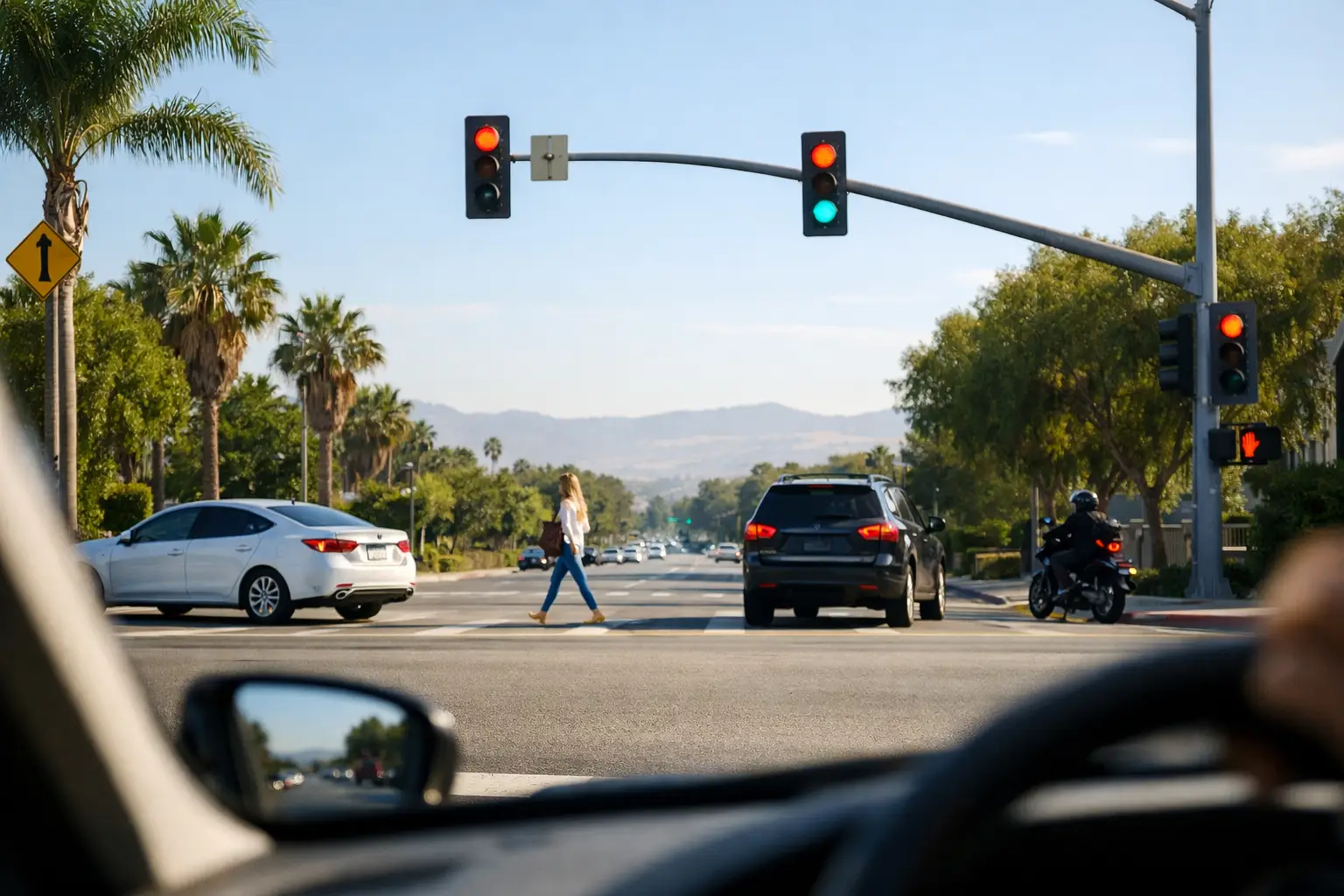
Intersections are where examiners pay close attention. Even with a green light, you should check left, right, and ahead before entering. That quick scan shows mature driving judgment.
A lot of test anxiety causes tunnel vision. Students stare at the traffic light and forget to assess the whole intersection. If another driver runs a red light, your right-of-way does not protect you.
Late signals or forgotten signals
Signaling is basic, but timing matters. A signal given at the last second does not give other drivers useful notice. A forgotten signal suggests you are reacting late instead of planning ahead.
Make signaling part of every transition – turns, pulls to the curb, leaving the curb, and lane changes. It should happen early enough to communicate your intention clearly, but not so early that it confuses others.
Missing pedestrians and cyclists
In California, this is especially important in busy neighborhoods, shopping areas, and school zones. Examiners expect you to notice pedestrians approaching crosswalks, people stepping off curbs, and cyclists riding near the lane edge.
Many learners check only for cars because that feels like the biggest threat. On a road test, missing vulnerable road users can be viewed as a serious safety concern. Slow down where visibility is limited and expect movement near corners and parked cars.
Parking, reversing, and curbside control errors
Not every road test includes the exact same maneuvers, but low-speed vehicle control is often part of the evaluation. These moments can expose rushed habits.
Weak backing technique
When backing up, some drivers rely too much on the camera or mirrors and do not look properly in the direction of travel. Cameras are useful, but they do not replace direct observation.
Examiners want to see controlled speed, steady steering, and active observation. If you back too fast, steer sharply without reason, or fail to check around the vehicle, you appear less in command.
Hitting or scraping the curb
Touching a curb during parking or a turn may seem minor, but it can signal poor spatial awareness. It often happens when students turn too soon, approach too fast, or fail to judge tire path correctly.
This is one area where practicing in the actual test vehicle makes a real difference. Every car turns a little differently, and learning those dimensions helps you stay precise.
The mistakes caused by nerves, not lack of skill
Some of the best drivers perform below their ability because test pressure changes their pace. They rush easy decisions, stiffen their hands on the wheel, and stop thinking one step ahead.
Overthinking every instruction
An examiner may give simple directions, but nervous drivers sometimes treat them like trick questions. That hesitation can lead to late lane changes, abrupt turns, or missed opportunities.
If an instruction is unclear, ask for it to be repeated. That is better than guessing. But once you understand it, carry it out calmly and safely instead of trying to second-guess what the examiner wants.
Trying to be perfect instead of safe
Perfection is not the standard. Safety is. A student who hesitates forever at a clear intersection, brakes too often, or drives with obvious fear may think they are being extra careful. Sometimes they are actually creating confusion.
Confident, moderate decisions are usually the better choice. You do not need a flawless performance. You need to show that you can manage ordinary traffic responsibly.
How to practice the best road test mistakes to avoid
The smartest practice is specific. Do not just “drive around” and hope experience covers everything. Focus on the exact habits that tend to slip under stress.
Practice complete stops, proper scanning, lane changes with mirrors and blind spot checks, right and left turns into correct lanes, and backing in a calm, controlled way. Use routes with residential streets, busier intersections, and speed changes so your judgment gets tested too.
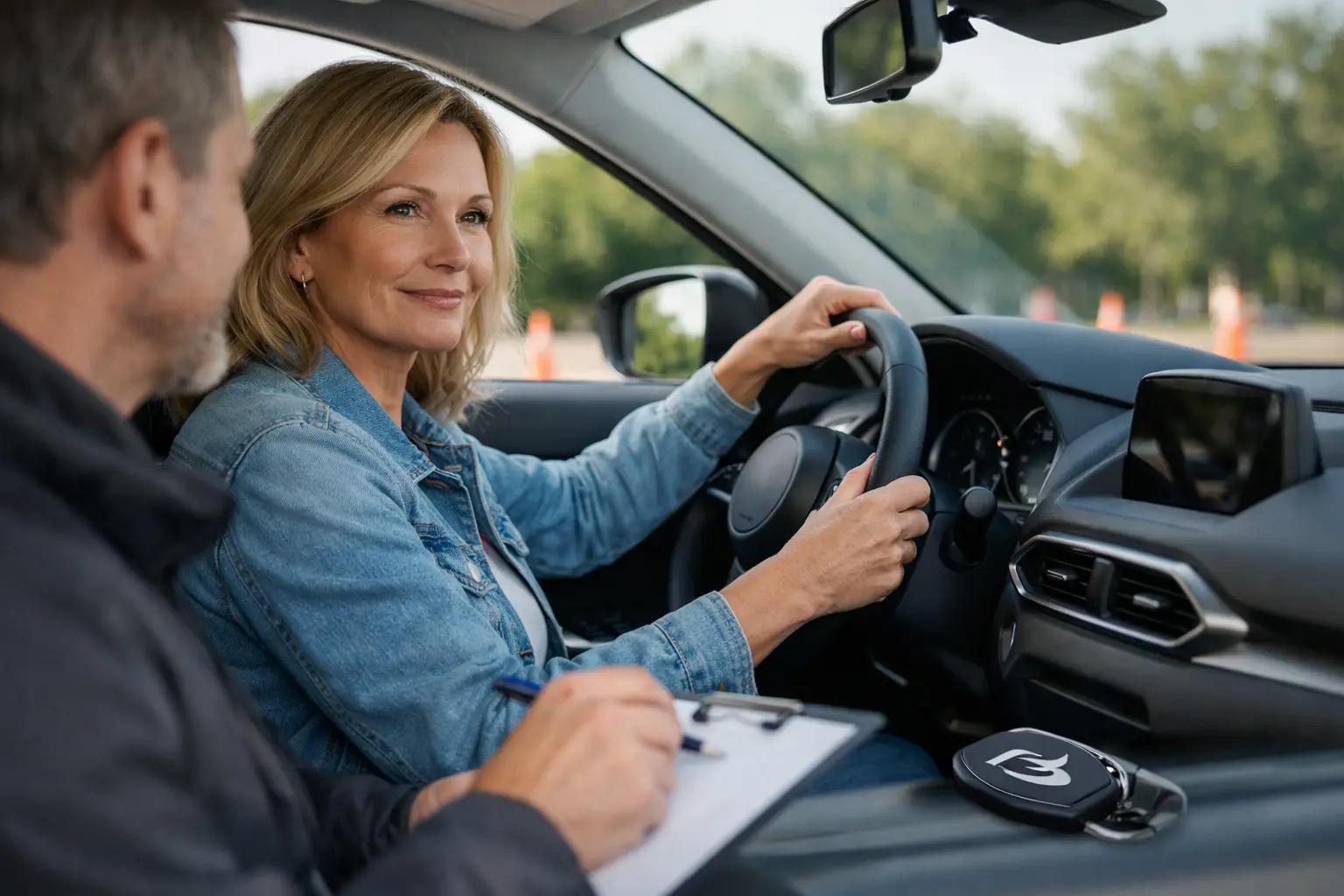
It also helps to run a mock road test with an instructor who knows what examiners look for. That feedback is often more useful than practicing with someone who only notices major mistakes. At Newport Driving School, road test preparation is built around these details because small corrections can make a large difference in both safety and pass results.
The best final preparation is simple: sleep well, give yourself time, drive the car you know, and commit to calm, visible safety habits. On test day, the examiner does not need to see a polished performance. They need to see a driver who can be trusted the moment the license is issued.

Related Posts
Comments (0)