Build confidence with a manual driving course that teaches clutch control, shifting, hill starts, parking, and safer real-world driving habits for drivers.
10 Best Defensive Driving Habits for Safer Trips
A green light, an open lane, and a familiar route can make driving feel routine. That is exactly when attention can slip. The best defensive driving habits help you stay ready for the driver who changes lanes without signaling, the pedestrian who steps off the curb, or the vehicle ahead that stops suddenly.
Defensive driving is not about being fearful or expecting the worst from everyone around you. It is a practical approach to reducing risk: observe early, leave yourself options, and make calm decisions before a situation becomes urgent. These habits benefit new drivers preparing for a California DMV road test, experienced commuters, parents driving with children, and anyone returning to the road after time away.
1. Keep Your Eyes Moving
Many drivers look only at the vehicle directly ahead. That is necessary, but it is not enough. A defensive driver continually scans well beyond that vehicle, checking the road ahead, mirrors, intersections, crosswalks, and the edges of the roadway.
Look 12 to 15 seconds ahead whenever conditions allow. At freeway speeds, that means looking far enough ahead to spot slowing traffic, brake lights, work zones, or debris before the vehicle in front of you reacts. On city streets, scan for parked-car doors, cyclists, pedestrians, and vehicles waiting to pull out of driveways.
Your mirrors are part of this habit, too. Check them regularly and before you slow, turn, merge, or change lanes. Brief mirror checks help you understand what is behind and beside your vehicle without taking your focus away from the road ahead for too long.
2. Maintain a Safe Following Distance
Space is one of the most useful safety tools a driver has. A proper following distance gives you time to identify a problem, decide what to do, and respond smoothly. It also reduces the temptation to brake hard when traffic changes unexpectedly.
Use the three-second rule in favorable conditions: choose a fixed object ahead, such as a sign or pole, and count the seconds between the vehicle ahead passing it and your vehicle reaching it. Increase that gap when roads are wet, visibility is reduced, traffic is heavy, or you are behind a motorcycle, large truck, or vehicle carrying an unsecured load.
There is no single distance that works in every situation. A larger gap may allow another driver to merge in front of you, but that is usually safer than closing the space and creating a conflict. Defensive driving prioritizes room to react over holding a particular position in traffic.
3. Control Your Speed for Conditions
The posted speed limit is a legal maximum under ideal conditions, not a promise that a given speed is always safe. Rain, glare, darkness, road construction, curves, school zones, and dense traffic can all require a slower speed.
Speed affects more than stopping distance. It narrows the time available to notice hazards and makes turns, lane changes, and emergency responses more difficult. On Southern California freeways, traffic may move quickly one moment and compress without warning the next. Watching the flow ahead and easing off the accelerator early is safer than relying on late, heavy braking.
Driving too slowly can also create a hazard when it disrupts traffic flow. The goal is to drive at a safe, predictable speed that fits the road, weather, and traffic around you.
4. Create Space on Every Side of Your Vehicle
Following distance is only one part of space management. Defensive drivers also consider their side space and escape routes. Avoid traveling for long periods in another vehicle’s blind spot, especially next to large trucks, buses, or vehicles that may need extra room to maneuver.
When possible, position your vehicle where you have an open lane or shoulder available if traffic suddenly stops. In stopped traffic, leave enough room behind the vehicle ahead to see its rear tires touching the pavement. This gives you space to move if a vehicle approaches too quickly from behind.
At intersections, pause briefly after your light turns green and confirm that cross traffic is stopping. Right-of-way rules matter, but a driver who runs a red light may not yield simply because you are legally entitled to proceed.
5. Signal Early and Make Predictable Choices
Other drivers cannot respond safely to a decision they cannot see coming. Signal before turns, lane changes, merges, and exits, then make your movement steadily when the space is clear. Signaling is not permission to move into an occupied lane. It is communication.
Avoid sudden lane changes to catch an exit or pass one more vehicle. If you miss a turn, continue safely and reroute when possible. A few extra minutes is a far better trade-off than cutting across lanes or making an abrupt maneuver.
Predictability also means avoiding unnecessary speed changes. Gradual braking, steady acceleration, and clear signaling give the people around you more time to respond correctly.
6. Check Blind Spots Before Moving Sideways
Mirrors provide valuable information, but they do not show everything. Before changing lanes, merging, or moving away from the curb, check your mirrors, activate your signal, and make a quick shoulder check in the direction you intend to move.
This visual check is especially important for motorcycles, bicycles, and smaller vehicles that can disappear in a blind spot. Keep the check brief. Looking over your shoulder should confirm what your mirrors have already suggested, not replace attention to the road ahead.
For new drivers, this sequence may feel slow at first. With practice, it becomes a smooth routine: mirrors, signal, shoulder check, then move only when the lane is clearly open.
7. Eliminate Distractions Before the Vehicle Moves
A distraction does not need to be dramatic to affect driving. A text notification, loose item on the floor, navigation setting, snack, or emotional phone call can pull attention away at the wrong moment. The safest time to set navigation, choose music, adjust mirrors, and secure belongings is before shifting into drive.
If you need to handle something while traveling, pull over in a safe location. Hands-free calling may be legal in some circumstances, but a conversation can still divide your attention. When traffic is complex, weather is poor, or you are learning a new route, silence the phone and focus entirely on driving.
Parents can support teen drivers by modeling this behavior. A rule that applies to every person in the vehicle is easier to follow than one that applies only to a new driver.
8. Expect Mistakes Without Reacting Emotionally
The best defensive driving habits include emotional control. Someone may tailgate, fail to signal, take a parking space, or make an unsafe move. Responding with aggressive braking, horn use, gestures, or speeding only adds another risk to the situation.
Instead, increase space, let the driver go ahead when safe, and return your attention to your own decisions. You cannot control another motorist’s judgment, but you can control your speed, position, and response.
This approach is not passive. It is active risk management. Remaining calm helps you notice options that anger or panic can hide.
9. Adjust for Weather, Darkness, and Road Conditions
California drivers may encounter bright sun glare, coastal fog, heavy rain, high winds, and dark rural roads. Each condition changes what defensive driving looks like. In rain, slow down early, increase following distance, and use smooth steering and braking inputs. Hard braking or sharp turns are more likely to cause a loss of traction on wet pavement.
At night, reduce speed so you can stop within the distance you can see ahead. Keep headlights, windows, and mirrors clean to reduce glare, and do not rely on other drivers to use their lights correctly. In fog or smoke, low-beam headlights are generally more effective than high beams because high beams can reflect light back toward the driver.
If visibility becomes severely limited, finding a safe place to stop may be the better choice. Arriving later is preferable to continuing when you cannot reliably see the road.
10. Practice the Habits Until They Feel Natural
Defensive driving is a skill built through repetition, not a checklist to memorize once. After each drive, consider one area that went well and one situation you could handle more smoothly next time. Maybe you spotted a brake light early, left extra room during a merge, or realized you were following too closely in stop-and-go traffic.
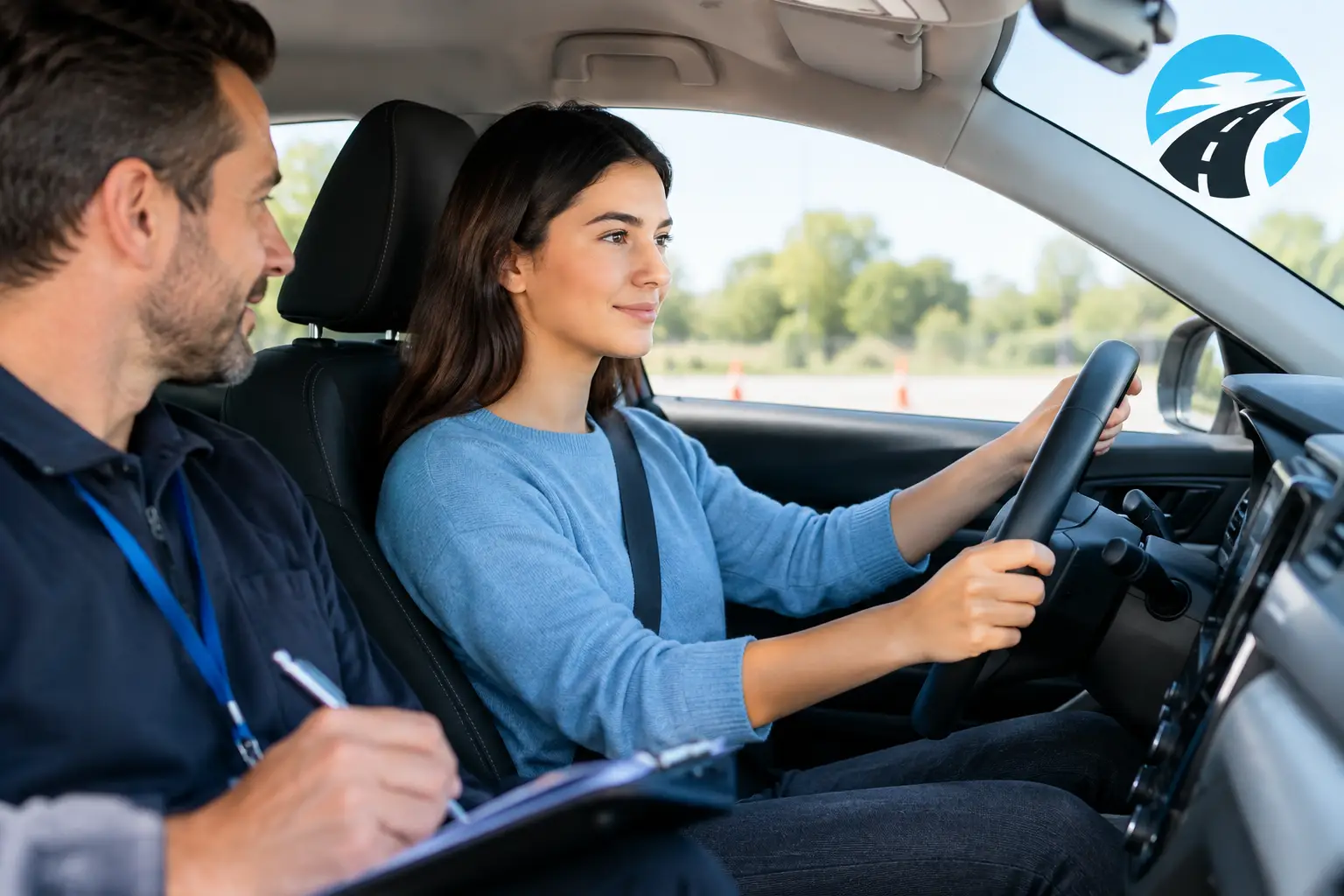
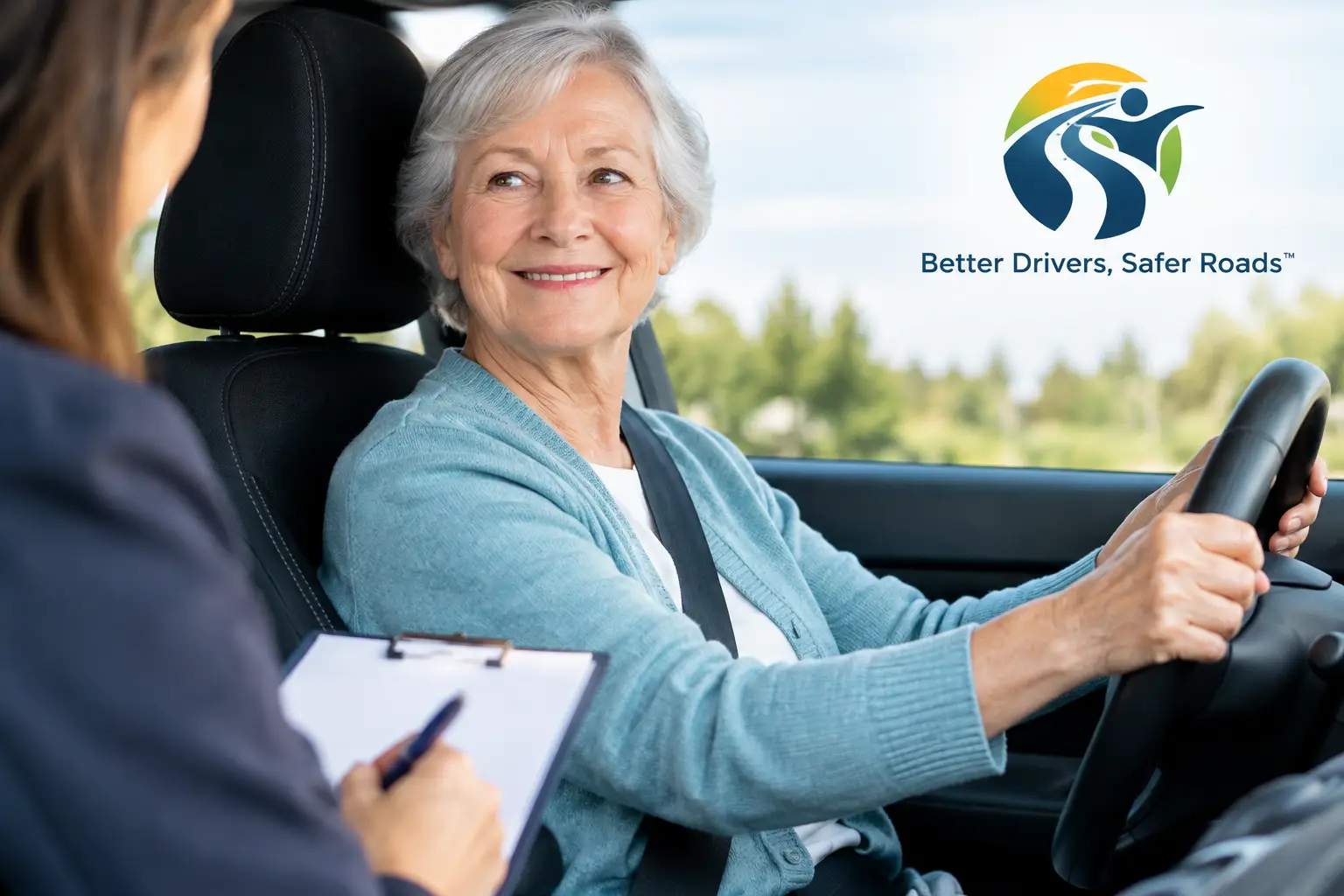
Professional behind-the-wheel instruction can be especially helpful for drivers who feel anxious, have had a previous collision or test setback, or have limited opportunities to practice with an experienced adult. A qualified instructor can identify patterns that are hard to recognize from the driver’s seat and provide specific, patient feedback.
Every trip gives you another chance to build judgment. Start with one habit, practice it deliberately, then add the next. Over time, calm observation and safe decision-making become less like a lesson and more like the way you drive.

Related Posts
Comments (0)