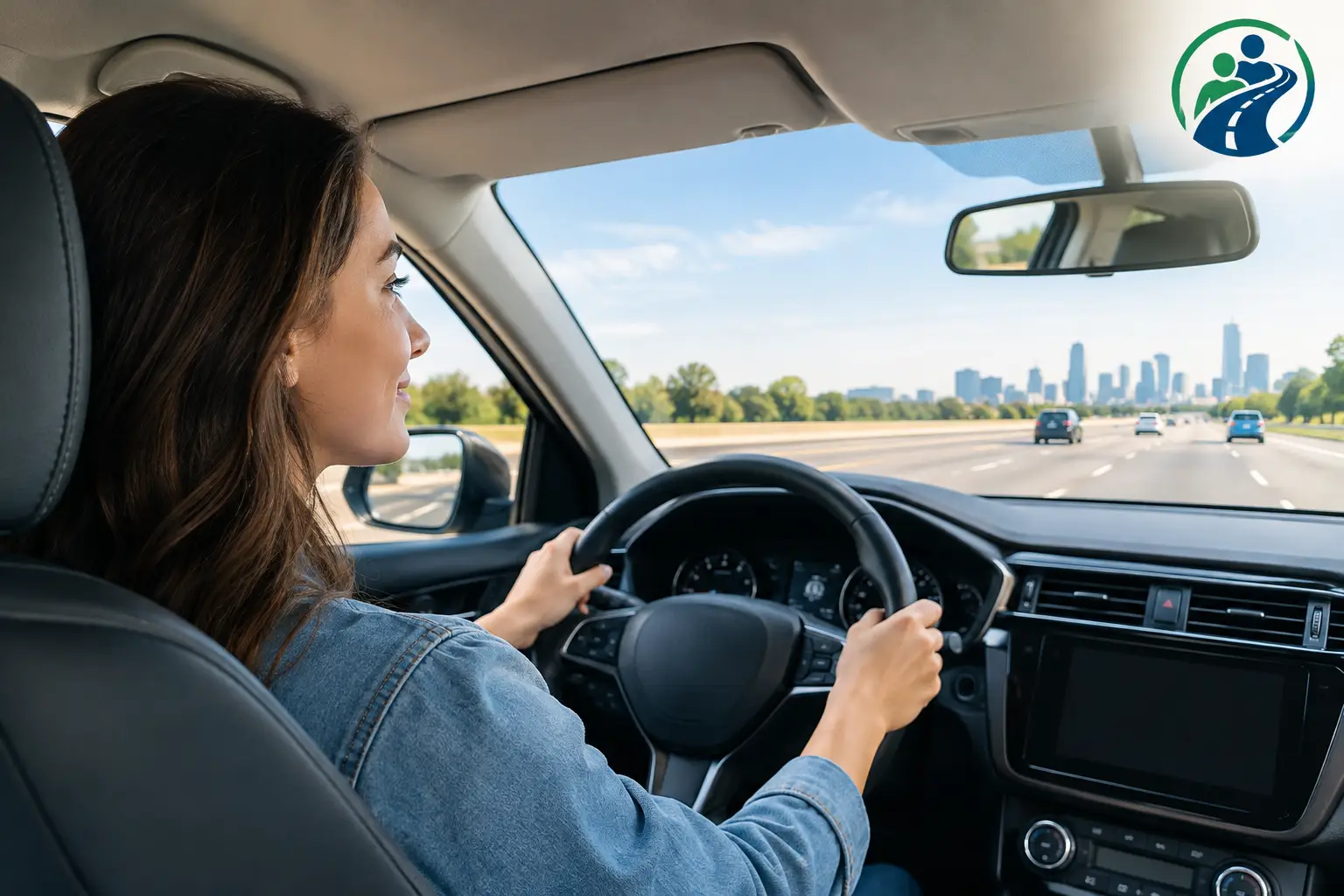
Freeway driving practice builds confidence with guided merging, lane changes, and safe exits. Learn how structured lessons help new drivers prepare safely.
Adult Beginner Driving Guide for First Lessons
The first time you sit in the driver’s seat as an adult learner, the hardest part is often not steering or braking. It is the feeling that everyone else learned this years ago and may be judging you. They are not. This adult beginner driving guide is built around a better approach: start calmly, learn one skill at a time, and practice until safe driving begins to feel familiar rather than intimidating.
Adults often bring strengths that younger students do not. You may be more motivated, more aware of the consequences of unsafe decisions, and better able to connect a driving lesson to real goals such as commuting, helping family, or gaining independence. The trade-off is that adult learners may carry more anxiety, have less free time to practice, or feel pressure to pass quickly. A structured plan makes all the difference.
Start With the Right Expectations
Learning to drive is not a test of whether you are naturally coordinated. It is a process of building judgment, awareness, and repeatable habits. Nobody begins by smoothly merging onto a busy freeway or parallel parking between two cars. Those skills come after you are comfortable with the controls, lane position, turns, braking, and observation.
Give yourself permission to be new at this. Early lessons can feel mentally tiring because you are processing mirrors, signs, traffic, speed, steering, and instructions all at once. That workload decreases with focused practice. A patient instructor should introduce challenges at a pace that keeps you learning without putting you in situations that exceed your current skill level.
Your goal for the first few lessons is not to drive everywhere. It is to establish control of the vehicle and make safe decisions in lower-pressure environments. Quiet residential streets, open parking areas, and predictable routes provide useful repetition before traffic becomes more complex.
Adult Beginner Driving Guide: Your First Steps
Before practice begins, make sure you understand the California licensing path that applies to you. Adult applicants generally need to meet DMV identification and application requirements, pass the knowledge test, obtain an instruction permit, complete supervised practice, and pass a behind-the-wheel road test. Requirements and documentation can change, so confirm the current rules directly with the California DMV before scheduling your exams.
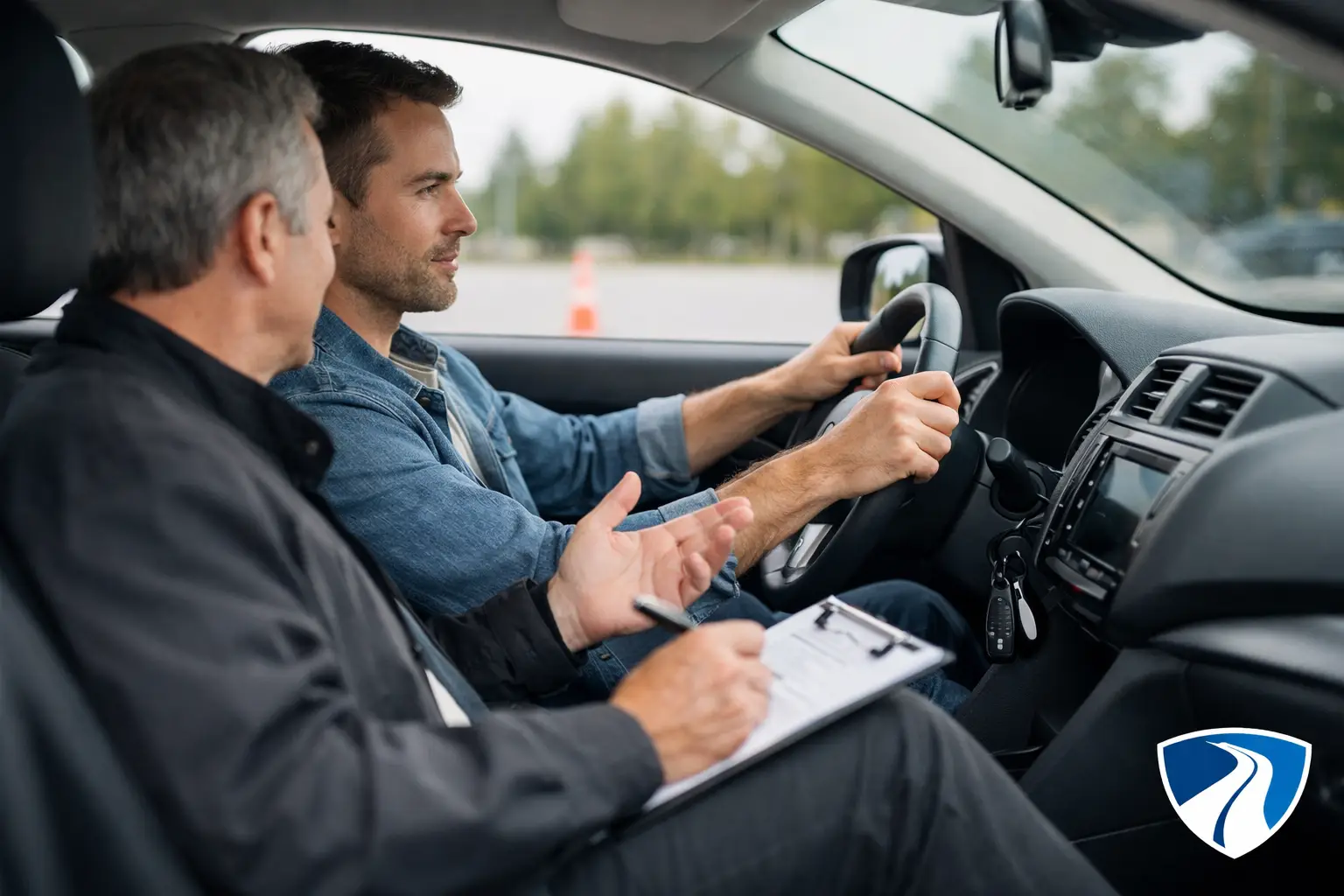
While adults are not on the same mandatory training timeline as teens, professional lessons can be especially valuable when practice support is limited. A family member may be willing to help but may not know how to explain California test expectations, correct a developing habit, or remain calm when traffic gets busy. Professional instruction gives you a clear sequence, immediate feedback, and a safer place to make beginner mistakes.
At the beginning of every drive, make the same setup routine automatic. Adjust the seat so you can fully press the brake pedal without stretching. Set mirrors to reduce blind spots, fasten your seat belt, confirm that passengers are buckled, and locate the turn signals, windshield wipers, headlights, parking brake, and defroster before moving. These small actions reduce distraction when you need them most.
Then practice smooth starts and stops. Many beginner errors come from looking too close to the front of the car, braking late, or turning the wheel more than necessary. Look well ahead, keep both hands positioned for control, and use gradual pedal pressure. Smooth driving is not only more comfortable for passengers. It gives you more time to recognize hazards and respond safely.
Learn Skills in a Safer Order
A good lesson plan builds from simple tasks to more demanding ones. You should first become comfortable controlling the car at low speeds, then add intersections, lane changes, busier roads, and parking maneuvers. Trying to learn everything in one session usually creates frustration rather than confidence.
A productive progression often includes vehicle setup and basic movement first, followed by turns, right-of-way decisions, stops, backing, parking, lane changes, and freeway entry. The order can change depending on your experience and comfort level. Someone who has driven overseas may need less time on steering and braking but more time understanding California traffic laws and local road behavior. Someone returning to driving after many years may need a slower refresher focused on confidence and defensive driving.
Do not measure progress only by how many miles you drive. A 30-minute lesson spent practicing controlled turns, complete stops, and mirror checks can be more useful than an hour of simply following traffic. Repetition with feedback turns individual actions into dependable habits.
Make Observation a Driving Skill
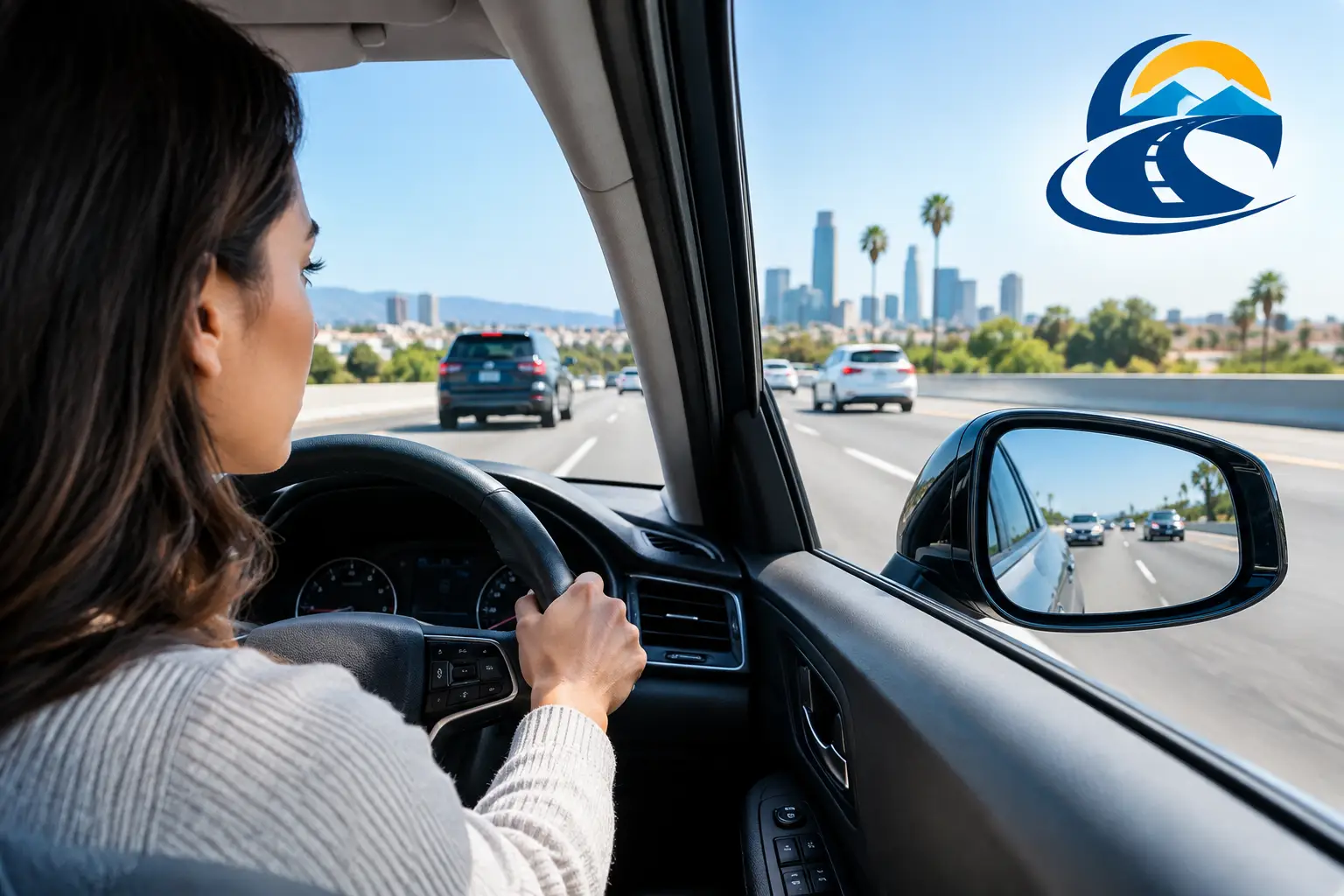
New drivers sometimes focus so intensely on keeping the car centered that they stop scanning the road. Safe driving requires active observation. Look ahead for slowing traffic, pedestrians near crosswalks, cyclists, changing signals, parked-car doors, and vehicles preparing to turn. Check mirrors regularly, and check your blind spot before changing lanes, pulling from the curb, or moving into another traffic lane.
Observation is also what helps you avoid last-second choices. If you notice a turn lane early, you can signal and move over gradually. If you see traffic building ahead, you can ease off the accelerator instead of braking sharply. The more you look ahead, the less rushed your driving will feel.
Manage Nerves Without Avoiding Practice
Driving anxiety is common, particularly for adults who have delayed learning or had a discouraging experience in the past. The answer is not to force yourself into the most stressful route right away. It is to expand your comfort zone in manageable steps.
Schedule practice when you are rested and not rushing to another commitment. Start with familiar routes and daylight conditions. Once those feel manageable, add new intersections, moderate traffic, nighttime driving, or freeway practice one at a time. If a lesson feels difficult, identify the specific skill that caused stress. “Traffic makes me nervous” may really mean “I am unsure when to change lanes” or “I panic when cars follow closely.” Specific concerns can be practiced and improved.
It also helps to separate mistakes from danger. Missing a turn is usually inconvenient, not an emergency. If you are unsure where to go, continue safely and reroute when appropriate. Never make a sudden lane change, sharp turn, or unsafe stop because you are afraid of missing an exit.
Practice With a Purpose Between Lessons
If you have access to a qualified supervising driver, use short, consistent practice sessions rather than occasional marathon drives. Two or three focused sessions each week are often more effective than waiting several weeks between lessons. Keep early sessions simple enough that you can repeat the same core skills successfully.
After each practice drive, take a minute to name one thing that improved and one skill to revisit. For example, you may have maintained better lane position but still braked too abruptly at stop signs. This keeps your practice purposeful and prevents the vague feeling that you are “not getting better.”
Avoid receiving instructions from several people at once. Well-meaning family members can offer conflicting advice, and criticism can make a new driver freeze. Choose one calm practice partner when possible, and use professional lessons to clarify questions about safety rules, driving technique, and DMV expectations.
Prepare for the DMV Road Test Early
The road test should not be the first time you perform the required maneuvers under pressure. Begin test preparation well before your appointment by practicing the skills the examiner is likely to observe: safe turns, complete stops, traffic checks, lane changes, speed control, backing, parking, and appropriate responses to signs and signals.
The DMV evaluates safe driving habits, not flashy driving. You do not need to be perfect, but you do need to show consistent awareness and control. Common preventable errors include failing to check blind spots, rolling through stops, driving too slowly or too quickly for conditions, turning into the wrong lane, and allowing nerves to interrupt observation.
A road test preparation lesson can help identify these issues before test day. At Newport Driving School, adult lessons can be tailored to your experience level, schedule, learning style, and the skills you need most, whether that means building confidence from the beginning or preparing for an upcoming DMV appointment.
Choose Support That Fits Your Situation
The right training plan depends on your starting point. If you have never driven, prioritize consistent behind-the-wheel instruction and supervised practice. If you have previous experience from another country, focus on California laws, local driving patterns, and DMV test standards. If anxiety is your main barrier, look for an instructor who explains corrections calmly and gives you a clear progression rather than pushing you into advanced situations too soon.
Convenience matters too. Busy adults are more likely to keep practicing when lessons fit their work and family responsibilities. In Orange County and surrounding Southern California communities, pickup and drop-off options can make structured training easier to maintain.
Confidence behind the wheel does not arrive all at once. It grows each time you set up the car correctly, make a safe decision at an intersection, recover calmly from a small error, and complete another drive with more control than the one before. Keep the next lesson focused, keep your standards high, and let steady practice do its work.

Related Posts

Comments (0)