
Find the best California driving practice routes for building confidence, handling traffic, parking safely, and preparing for your DMV road test safely.
Best Senior Driving Safety Tools for Safer Trips
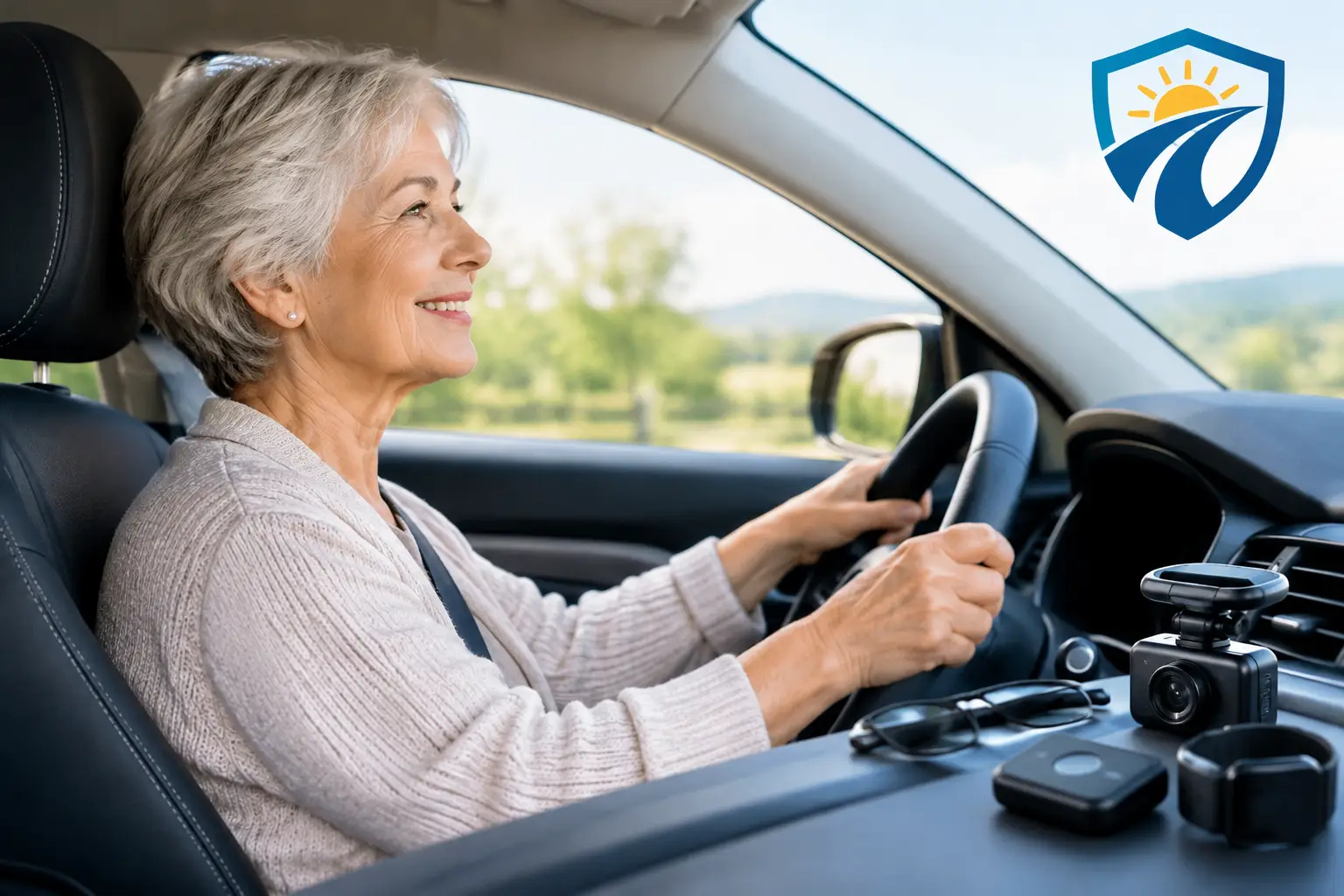
A missed glance over the shoulder, headlight glare on a wet road, or stiffness when turning to check a blind spot can make a familiar drive feel less predictable. The best senior driving safety tools address those practical moments. Used thoughtfully, they can make driving more comfortable and help an experienced driver keep the habits that protect independence.
A tool is not a substitute for attentive driving, healthy vision, or an honest assessment of changing abilities. It can, however, reduce unnecessary strain and provide useful support. The right choice depends on the driver, the vehicle, typical routes, and whether the concern is visibility, mobility, confidence, or vehicle operation.
Start With the Driving Challenge, Not the Product
It is tempting to buy several accessories after one uncomfortable drive. A better approach is to identify exactly what happened. Was it difficult to see at dusk? Hard to turn the head while backing up? Unclear whether a car was in the next lane? Or was the driver simply anxious after a long break from driving?
This distinction matters because tools solve different problems. A wide-angle mirror may help with a limited field of view, while properly adjusted mirrors and a refresher lesson may be the better answer for a driver who has developed an unsafe lane-change routine. A backup camera helps show what is behind the vehicle, but it does not replace a full visual check around the car before reversing.
Family members should keep the conversation specific and respectful. Rather than saying, “You should not be driving,” discuss observable situations: trouble reading signs at night, discomfort merging, or uncertainty in busy parking lots. This creates a path toward support instead of defensiveness.
Best Senior Driving Safety Tools for Visibility
Properly adjusted mirrors and blind-spot mirrors
A correct mirror setup is one of the most affordable improvements a driver can make. Side mirrors should be adjusted outward enough to reduce overlap with the rearview mirror, helping limit blind spots along the sides of the vehicle. Small convex blind-spot mirrors can offer an additional view of adjacent lanes.
There is a trade-off. Convex mirrors make vehicles appear farther away than they are, so drivers need time to understand the altered perspective. They should be used as a supplement to mirror checks and shoulder checks, not as a reason to skip either one.
Backup cameras and parking sensors
Backup cameras are especially useful for spotting low obstacles, curbs, and pedestrians behind the vehicle. Rear parking sensors add audible warnings as the car approaches an object. For drivers who find backing out of crowded shopping centers stressful, these features can reduce uncertainty and encourage slower, more deliberate maneuvering.
Still, cameras have limits. Rain, dirt, glare, darkness, and a narrow camera angle can hide hazards. Before shifting into reverse, the driver should check mirrors, look over both shoulders as able, and scan the area around the vehicle. A clean camera lens and a clear rear window are part of the safety routine.
Anti-glare solutions for night driving
Headlight glare can be exhausting, particularly for drivers with increased sensitivity to light. Keeping the windshield clean inside and out, replacing worn wiper blades, and repairing haze on headlight lenses can make a meaningful difference. Properly aimed headlights also improve visibility without sending excess glare toward other drivers.
Some drivers benefit from a sun visor extension for low-angle sunlight. Be cautious with aftermarket tinted glasses marketed for nighttime driving. Dark lenses may reduce glare but can also reduce the light needed to see pedestrians, lane markings, and hazards. A vision professional can offer more appropriate guidance when glare has become a regular concern.
Tools That Reduce Physical Strain
Steering wheel covers and seat support
A steering wheel cover with a secure, non-slip grip may make the wheel more comfortable to hold, especially for drivers with arthritis or reduced hand strength. Lumbar cushions and seat supports can improve posture on longer drives. Comfort matters because fatigue and pain can distract from traffic decisions.
Any added cover or cushion must fit securely and must not interfere with vehicle controls, airbags, seat belts, or the driver’s position behind the wheel. The driver should still be able to reach the pedals comfortably, see the full instrument panel, and maintain a safe distance from the steering wheel.
Swivel cushions and assist handles
Swivel cushions can make it easier to rotate into and out of a vehicle. Portable assist handles may provide support when entering or exiting, provided they are designed for the vehicle’s door latch area and used according to instructions. These tools help with the transition in and out of the car, not with driving itself.
Avoid devices that attach to the steering wheel and encourage using it as a support handle when getting in or out. Pulling on the wheel can affect balance and may put pressure on components not intended to bear body weight.
Pedal extensions and adaptive equipment
Drivers with limited leg mobility or difficulty reaching the pedals may need professionally selected adaptive equipment, such as pedal extensions, hand controls, or left-foot accelerators. This is not a do-it-yourself category. Improper installation or unfamiliar controls can create a serious safety risk.
A qualified driving rehabilitation specialist or trained instructor can help determine whether adaptive equipment is appropriate and provide practice in a controlled setting. In California, a medical condition or adaptive equipment may also affect DMV requirements, so drivers should confirm the rules that apply to their situation.
Everyday Tools That Support Safer Decisions
A few low-tech items can prevent rushed decisions. A phone mount positioned outside the airbag deployment zone can keep navigation directions visible without holding the phone. Set the route before moving, enable voice guidance, and pull over safely if directions become confusing. The phone should never become a source of scrolling, texting, or distraction.
An emergency kit is also worthwhile, especially for drivers who travel beyond their immediate neighborhood. Include water, a flashlight, a reflective vest, basic first-aid supplies, a charged phone or backup battery, and current emergency contact information. If medications are carried in the vehicle, store them safely and account for heat.
For four items that should remain within easy reach, consider:
- A current pair of prescription glasses, if needed for driving
- A charged phone and vehicle charger
- Registration, insurance, and roadside assistance information
- A small flashlight for nighttime emergencies
The goal is not to turn the vehicle into a storage space. It is to avoid preventable distractions when something unexpected happens.
When Technology Is Not the Main Answer
Some concerns are better addressed through refreshed skills than additional equipment. If a driver avoids freeways, feels uneasy at four-way stops, brakes too late, or struggles to judge turns, a patient behind-the-wheel evaluation can identify the real issue. Often, drivers have decades of experience but have not had feedback on changing traffic patterns, newer vehicle technology, or California laws.
A senior driving refresher should be calm, practical, and personalized. It can cover mirror use, lane changes, parking, freeway entry, defensive space management, and strategies for driving in rain or at night. The purpose is not to take away independence. It is to make each trip more predictable and to identify whether a particular tool will genuinely help.
Newport Driving School provides individualized instruction for drivers who want professional feedback without intimidation. For some seniors, one or two focused lessons can restore confidence after a move, an illness, a collision, or a long period without regular driving.
How to Choose Tools Without Wasting Money
Before purchasing an accessory, check whether the vehicle already has a built-in setting that solves the problem. Many drivers have adjustable mirrors, brightness controls, parking aids, steering wheel adjustments, and driver-assistance features they have never been shown how to use. Review the owner’s manual or ask a trusted technician to explain the options.
Choose one change at a time, then practice with it in a low-pressure environment. An empty parking lot or quiet neighborhood is a better place to learn a camera display, parking sensor sounds, or new mirror positions than a busy street. If the tool is distracting, hard to interpret, or interferes with normal operation, remove it and seek professional advice.
The safest setup is rarely the one with the most gadgets. It is the one that helps the driver see clearly, move comfortably, stay focused, and make sound decisions. A well-adjusted vehicle, realistic self-awareness, and occasional skill practice can keep everyday driving both safer and more reassuring.

Related Posts


Comments (0)