Freeway driving practice builds confidence with guided merging, lane changes, and safe exits. Learn how structured lessons help new drivers prepare safely.
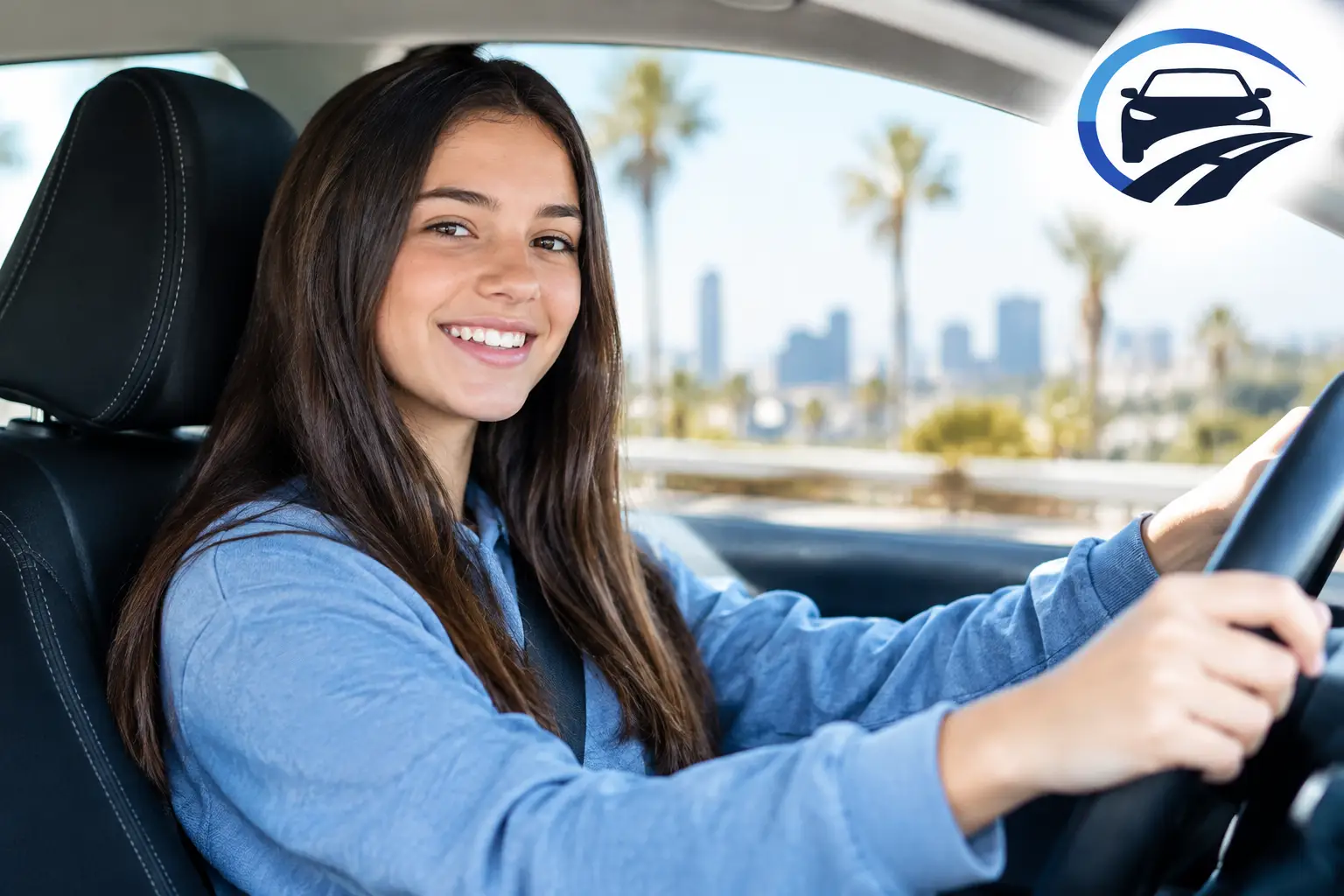
California Provisional License Rules for Teens
Handing a teen the keys after a DMV road test can feel like a major milestone and a major source of worry. A California provisional license gives new drivers meaningful independence, but it also comes with restrictions designed to reduce the highest-risk situations for inexperienced drivers: late-night driving, distracting young passengers, and poor decision-making under pressure.
For families, the goal should not be to simply meet the DMV minimums. The better goal is to help a new driver build judgment, awareness, and calm habits that last long after the first year of driving.
What a California Provisional License Means
A provisional license is the driver license issued to California drivers who are under age 18 and have met the state requirements to move beyond an instruction permit. It allows a teen to drive alone, but it is not the same as unrestricted driving privileges.
California uses a graduated driver licensing system because new drivers need time to gain experience in lower-risk conditions. Passing the road test shows that a student can operate a vehicle safely during an exam. It does not mean they have encountered every difficult real-world situation, such as congested freeway traffic, heavy rain, a sudden lane closure, or friends creating distractions in the car.
The provisional period gives teens room to build that experience with guardrails in place. For parents, it is also an opportunity to stay involved rather than treating the license as the finish line.
Requirements Before a Teen Can Apply
Before earning a provisional license, a driver under 18 must first qualify for and hold a California instruction permit. The process generally includes completing driver education, passing the DMV knowledge test, receiving behind-the-wheel training, and practicing with a qualified adult.
The permit holding period and practice hours
A teen generally must hold an instruction permit for at least six months before taking the DMV driving test. During that period, they must complete at least 50 hours of supervised driving practice, including at least 10 hours at night.
Those figures are minimums, not a recommended training plan. Fifty hours can give a student basic exposure, but the quality and variety of practice matter just as much as the total time. Repeating the same quiet neighborhood route may help with steering and braking, yet it will not prepare a teen for complex intersections, freeway merges, parking lots, school zones, or unfamiliar routes.
A strong practice schedule gradually introduces new conditions. Start in low-traffic areas, then add busier streets, multilane roads, freeway driving, night driving, and parking practice. Keep sessions short enough that the student can stay focused. A tired or frustrated learner is less likely to retain good habits.
Professional behind-the-wheel instruction
California teen drivers also need at least six hours of professional behind-the-wheel training with a licensed driving instructor. This training is commonly divided into multiple lessons so the student can practice, receive feedback, and return with questions after driving at home.
Professional lessons can be especially useful when family practice becomes stressful or inconsistent. An instructor can identify habits a parent may not notice, such as incomplete stops, late braking, poor mirror checks, drifting within a lane, or hesitation at unprotected turns. They can also help students understand what DMV examiners look for during the road test.
California Provisional License Restrictions for the First Year
For the first 12 months after a provisional license is issued, California places two major restrictions on teen drivers. These are legal restrictions, not suggestions, and families should discuss them before a teen begins driving alone.
Passenger restriction
For the first year, a provisional license holder generally may not transport passengers who are under 20 years old unless a parent, guardian, or another California-licensed driver age 25 or older is in the vehicle.
This rule often causes frustration because driving friends is one of the freedoms teens look forward to most. But the reason is straightforward: young passengers can create powerful distractions for a new driver. Even responsible teens can lose focus when conversations get loud, music changes, someone needs a ride adjustment, or passengers encourage rushed decisions.
Parents can make this easier by setting expectations early. Discuss carpools, rides to sports practices, and weekend plans before they become last-minute problems. A clear family rule is easier to follow than a rule negotiated from a parking lot.
Nighttime driving restriction
During that same first 12-month period, provisional license holders generally may not drive between 11 p.m. and 5 a.m. unless accompanied by a qualified adult driver.
Night driving requires different skills. Visibility is reduced, headlights can create glare, pedestrians are harder to spot, and fatigue affects reaction time. Late-night driving can also place teens around more impaired or aggressive drivers. A student who feels capable in daylight may still need more practice before handling dark roads, freeway interchanges, and nighttime rain.
Limited exceptions
California provides exceptions in certain situations, including medical needs, school-authorized activities, employment needs, and immediate family needs. When relying on an exception, the driver should carry the appropriate signed documentation explaining the need and the expected duration of the exception.
The details matter. Families should review the current DMV guidance before assuming a trip qualifies. If there is any uncertainty, arrange a ride or have an eligible adult accompany the teen. Avoid putting a new driver in the position of having to explain a questionable exception during a traffic stop.
Once the driver turns 18, the provisional restrictions end. Still, age alone does not create experience. If a teen has driven only occasionally during the first year, parents may want to keep some family driving expectations in place until the student has more time in varied conditions.
A Better Plan for the First 12 Months
The first year of independent driving should be treated as a training phase, not a handoff. Families get better results when they create a realistic plan for continued practice and clear communication.
Start by agreeing on where the teen can drive alone. A new driver may be ready for school, work, and familiar errands before they are ready for long freeway trips, downtown traffic, or unfamiliar nighttime destinations. Expanding privileges in stages gives teens a chance to prove they can make safe choices consistently.
Continue supervised practice after the road test. One drive each week with a parent or instructor can uncover issues before they become habits. Use these drives to practice skills that do not always appear on a DMV test: entering fast-moving traffic, navigating construction zones, reading lane-control signs, handling emergency vehicles, and recovering calmly after a missed turn.
It also helps to establish a no-questions-asked ride policy. A teen should know they can call home for a ride if they are tired, uncomfortable, stranded, or riding with someone who should not be driving. The priority should be getting home safely, then having the conversation later.
Common Mistakes New Drivers Can Avoid
Many provisional license violations happen because a teen knows the broad rule but overlooks the situation. Bringing along one friend for a short trip is still a passenger restriction issue. Leaving a school event at 11:05 p.m. may still create a curfew problem without a valid exception. Driving carefully does not erase the restriction.
Another common mistake is assuming the DMV road test is the only standard that matters. Road-test preparation is valuable, but confident independent driving requires a wider set of skills. Students should practice planning ahead, maintaining space around the vehicle, checking mirrors before every speed or lane change, and refusing to drive when emotions or fatigue are affecting concentration.
Finally, new drivers should avoid treating a phone as harmless when it is mounted or within reach. Navigation can be useful, but setting the route before moving is safer than adjusting directions while driving. A text, notification, or glance at a screen can take attention away at exactly the wrong moment.
When Extra Driving Lessons Make Sense
Additional lessons can help a teen who passed the DMV test but still avoids certain situations, such as freeway driving, parallel parking, left turns across traffic, or nighttime driving. They can also be helpful for parents who want an objective assessment of their teen’s readiness before allowing longer or more complex trips.
At Newport Driving School, instructors work with students at their current skill level and focus lessons on the situations that need more practice. For some teens, that means polishing DMV test skills. For others, it means gaining confidence through patient, structured experience after the license is issued.
A provisional license is a valuable step toward independence, but safe driving grows through repetition, good judgment, and support. The best gift a family can give a new driver is not unlimited access to the car. It is the time, guidance, and trust needed to make each trip safer than the last.

Related Posts
Comments (0)