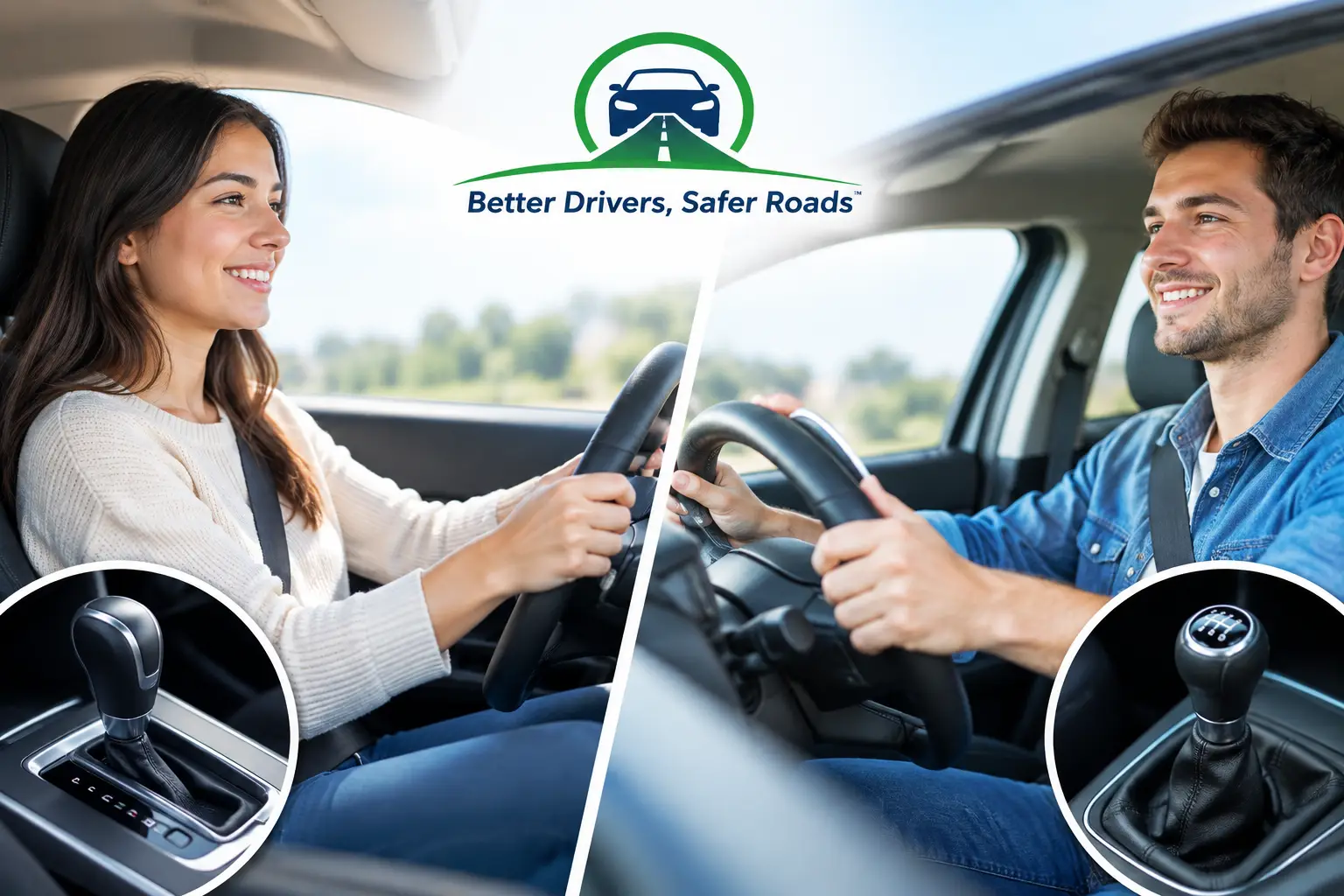
Choosing automatic versus manual driving lessons affects your license, confidence, practice options, and DMV goals. Learn which fit is right for you today.
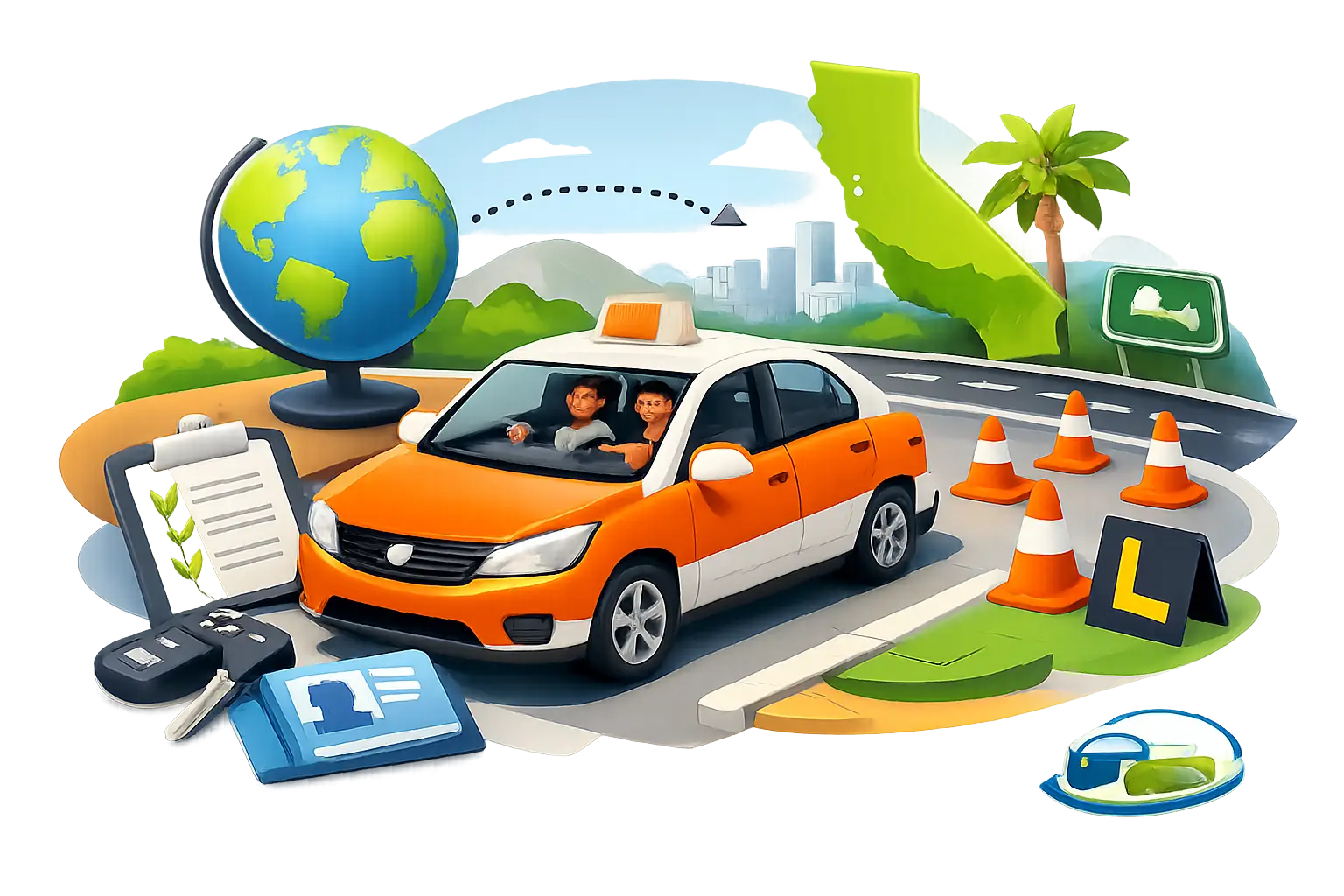
Driving Lessons for Foreign Drivers in CA
Renting a car in California can feel easy right up until the first unprotected left turn, a four-way stop, or a freeway merge at rush hour. That is where driving lessons for foreign drivers make a real difference. They are not just about learning to operate a car. They help experienced drivers adjust to local laws, road culture, DMV expectations, and the pace of traffic without picking up bad habits or unnecessary stress.
Many international drivers are already skilled behind the wheel. The challenge is that skill does not always transfer cleanly from one country to another. Road signs may look familiar but carry different rules. Right turns on red, school zones, bike lane markings, and all-way stops can be unfamiliar even to someone who has driven for years. In California, the goal is not only to drive, but to drive in a way that is safe, legal, and test-ready.
Why driving lessons for foreign drivers are different
A first-time teen driver and an adult driver from another country usually need very different instruction. Teen lessons often start with the basics of steering, braking, and scanning. Foreign drivers may already have those core skills, but they need targeted coaching on the parts of driving that are specific to the United States and California.
That means lessons should focus on adaptation, not repetition. A good instructor will quickly identify what carries over from your prior experience and what needs adjustment. Sometimes the changes are small, like checking over the correct shoulder before a lane change. Sometimes they are structural, like learning how California intersections, lane markings, and DMV road test routes are handled.
This is also why patience matters. Adults who have been driving for years can feel frustrated when they make simple mistakes in a new system. Professional instruction works best when it respects that experience while still correcting habits that could create safety issues or cause a failed road test.
The biggest adjustments foreign drivers face in California
For many drivers, the hardest part is not vehicle control. It is decision-making in unfamiliar traffic patterns. California roads move quickly, and drivers are expected to read signs, anticipate merges, yield correctly, and make legal turns with confidence.
One common issue is right of way. In some countries, drivers rely more on negotiation and eye contact. In California, the rules are more standardized, and examiners want to see that you follow them consistently. Four-way stops are a classic example. If you hesitate too long, wave others through incorrectly, or move out of turn, it can create confusion and cost you points.
Freeway driving is another adjustment. Some foreign drivers come from places with lower speeds, denser city traffic, or less emphasis on lane discipline. In California, merging at the proper speed, maintaining space, and changing lanes smoothly are basic expectations. The same goes for watching for motorcycles, cyclists, pedestrians, and school traffic.
Parking can also be more technical than expected. Curb distance, wheel direction on hills, backing control, and observation habits matter on the DMV test. A driver may park successfully in daily life but still lose points because they did not signal, scan, or position the vehicle the way the examiner expects.
What a good lesson plan should include
The best training for international drivers is personalized. There is no reason to spend hours on skills you already have, but there is every reason to focus on the habits most likely to affect your safety and test performance.
A strong lesson plan usually begins with an evaluation drive. This gives the instructor a clear picture of your experience level, confidence, and adjustment needs. From there, lessons can be built around California-specific traffic laws, city driving, freeway driving, parking, lane changes, intersections, and DMV road test preparation.
California law and road culture
Knowing the rules on paper is one thing. Applying them in traffic is another. Lessons should cover speed control, stop sign procedures, yielding, turn lanes, pedestrian priority, school zones, and legal turning behavior. They should also address road culture – how local drivers typically move, where problems happen, and how to respond without becoming overly defensive or uncertain.
DMV test standards
A road test is not simply a drive around town. It is an evaluation of habits. Examiners watch for mirror checks, signaling timing, head movement, speed judgment, lane position, and overall awareness. Many foreign drivers fail not because they are unsafe, but because they are unfamiliar with how the test is scored.
Focused preparation matters here. Practicing the exact behaviors the DMV wants to see can turn a stressful test into a manageable one.
Confidence without overconfidence
Experienced drivers sometimes need a reset. If you have driven for ten or twenty years, it is easy to assume adaptation will happen automatically. Sometimes it does. Sometimes it does not. The most productive lessons build confidence while also correcting the small habits that feel normal to you but are risky or noncompliant here.
Should you take a few lessons or a full package?
It depends on your background. If you have recent driving experience in a system similar to the US, a few focused lessons may be enough. You might only need a local rules review, a freeway session, and a DMV practice drive.
If you have not driven in several years, are switching from left-side driving, or feel anxious in heavy traffic, more instruction is usually worth it. The goal is not to log unnecessary hours. It is to reach the point where your reactions feel natural on California roads.
This is one reason personalized instruction matters so much. A one-size-fits-all package can waste time. A better approach is to assess first, then recommend the right amount of training based on your actual needs.
Common mistakes that targeted instruction can fix
Some mistakes show up again and again with international drivers, even highly capable ones. Rolling stops are common, especially where traffic feels light. Late signals, incomplete blind spot checks, and hesitation at uncontrolled intersections also happen often.
Another frequent issue is speed choice. Some drivers go too slowly because they are trying to be careful. Others match the flow too aggressively and miss school zones or residential limits. Neither helps on the road test or in real traffic. An instructor can help you find the right balance – controlled, predictable, and legally correct.
There are also country-specific habits that may need to be unlearned. If you are used to tighter roads, more assertive lane negotiation, or different roundabout rules, those habits can show up when you are under pressure. The right lesson plan brings those habits to the surface before they cause a problem.
Choosing the right instructor matters
Not every driving school is equally prepared to teach adult international drivers. The best fit is an instructor who knows California law thoroughly, understands DMV testing standards, and can adjust their teaching style to your background.
That means more than being friendly. It means giving clear corrections, explaining why a rule matters, and pacing the lesson so you can improve quickly without feeling overwhelmed. For many students, multilingual support or simple, direct communication also makes a major difference.
An experienced school like Newport Driving School understands that foreign drivers are not starting from zero. They need efficient, respectful instruction that builds on what they already know while closing the gap between past experience and California expectations.
Driving lessons for foreign drivers and DMV success
If your goal is to get a California license, preparation should be practical from day one. That includes learning the local vehicle setup, practicing in the type of traffic you will actually face, and getting comfortable with the behaviors the examiner wants to see every time.
Road test nerves are normal, especially if English is not your first language or you are worried about making a technical mistake. Structured lessons reduce that pressure because they replace guesswork with repetition. You know where to look, when to signal, how to approach a stop, and what to expect from common test maneuvers.
That preparation often saves time and money in the long run. Failing a road test can mean delays, added fees, and more anxiety. Focused training is often the faster route.
Learning to drive in a new country is not a step backward. It is a smart adjustment to a different system, different risks, and different expectations. With the right instruction, you can keep the experience you already have, leave behind the habits that do not fit California roads, and move forward with confidence that feels earned.

Related Posts


Comments (0)