Learn the top teen driver safety rules that build sound habits, reduce risk, and help new California drivers earn parents' trust on every trip, with care.
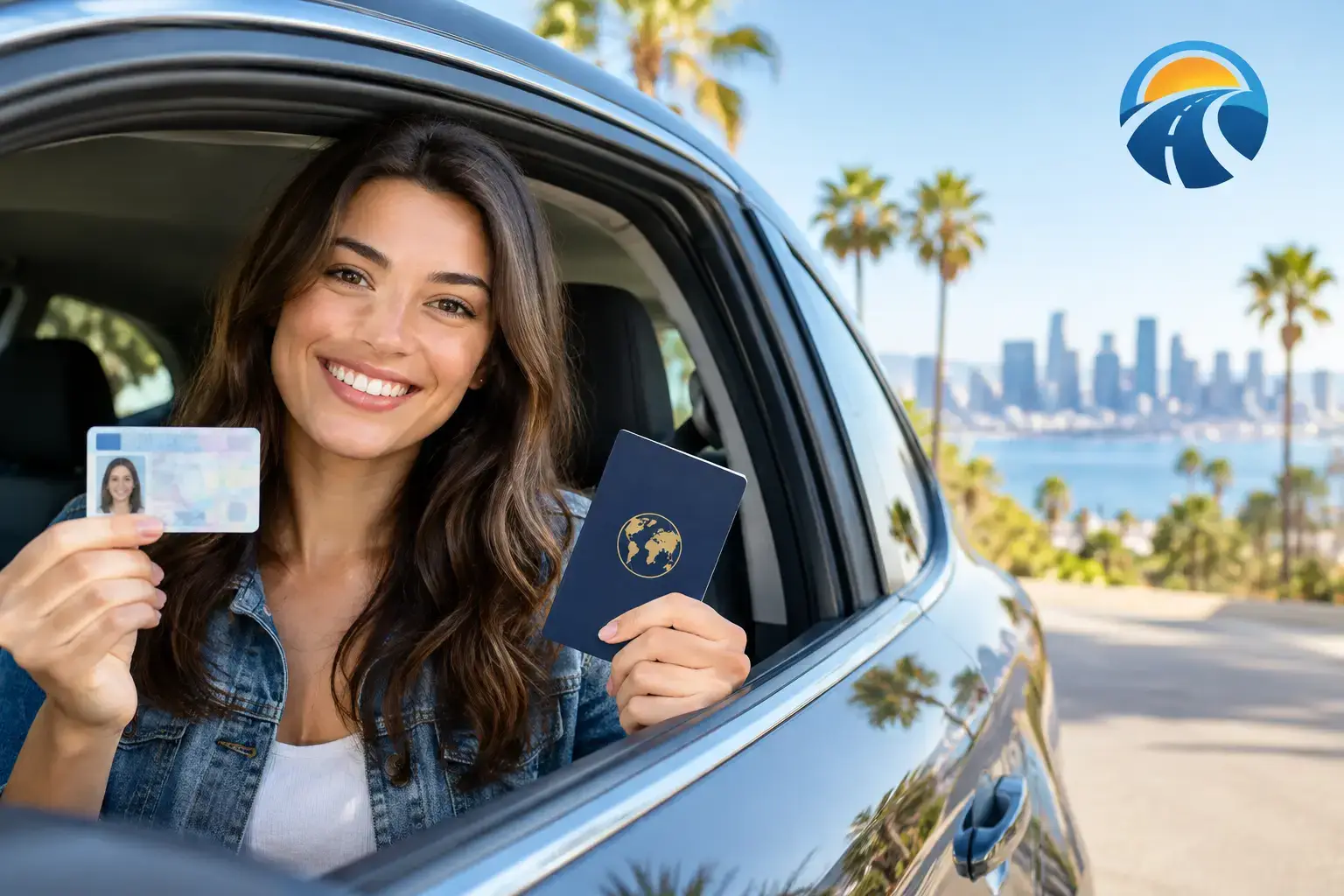
International Driving Transition in California
A California freeway can feel fast even to an experienced driver. Six lanes of traffic, unfamiliar signs, different right-of-way expectations, and confident local drivers create a learning curve that goes beyond simply driving on the other side of the road. A successful international driving transition means adapting your existing skills to California laws, road conditions, and everyday driving habits without losing confidence.
Many international drivers have years of experience behind the wheel. That experience is valuable, but it does not automatically prepare someone for a California DMV road test or for the specific decisions required in Orange County traffic. The goal is not to start over. It is to identify what is different, practice deliberately, and build safe habits that hold up in real traffic.
What Changes During an International Driving Transition?
The biggest adjustment is often not vehicle control. Most experienced drivers can steer, brake, park, and judge traffic movement well. The challenge is learning the local system: who has the right-of-way, how turns are handled, where stopping is required, and what an examiner expects to see during a driving test.
California drivers travel on the right side of the road, pass on the left, and generally make left turns from the lane closest to the center line. Drivers coming from countries that drive on the left may need extra time to make this feel automatic. Intersections, roundabouts, lane changes, and pulling out of driveways are common places where side-of-road habits can reappear.
Even drivers from countries that also drive on the right may notice important differences. California has specific rules for four-way stops, school zones, bicycle lanes, freeway entry, turning at red lights, and yielding to pedestrians. Local traffic can move quickly, but speed is never a substitute for proper following distance, signaling, mirror checks, and complete stops.
California Driving Is Highly Visual
California roads require consistent scanning. Drivers must watch traffic signals, lane markings, pedestrians, cyclists, motorcycles, parked vehicles, and changing speed limits at the same time. In busy areas, a driver may also need to respond to rideshare drop-offs, delivery vehicles, construction zones, and drivers entering or exiting wide roads.
A useful habit is to scan far ahead, check mirrors regularly, and look over your shoulder before moving laterally. Mirrors help, but they do not eliminate blind spots. This shoulder check is especially important before changing lanes, entering a bike lane to make a turn, or pulling away from the curb.
Understand License Rules Before You Drive
International residents should confirm their legal driving status before relying on a foreign license. California requirements can vary based on residency, age, immigration status, the type of license held, and the reason for driving. Rules and DMV procedures can also change, so drivers should review current official requirements before making assumptions.
A foreign driver license may be usable for a limited period in certain situations, but establishing California residency can create a requirement to apply for a California license. An International Driving Permit is not a driver license by itself. It is generally a translation document that must be used with a valid license from the issuing country.
If you need a California license, plan for both the knowledge test and the behind-the-wheel test. The written test measures your understanding of California laws and signs. The road test measures whether you can apply those rules calmly and safely in active traffic.
Do not wait until test day to learn the expected procedures. DMV examiners look for habits that are easy to overlook when driving casually, including complete stops, safe lane changes, correct turns, speed control, observation, and appropriate yielding. A driver can have extensive experience yet lose points by using habits that are accepted elsewhere but not expected in California.
Key California Rules That Surprise Experienced Drivers
Some rules deserve focused practice because they come up often and can affect safety immediately.
Right Turns at Red Lights
In many California intersections, a right turn on a red light is permitted only after a full stop, unless a sign prohibits it. The driver must yield to pedestrians, bicyclists, and traffic with the right-of-way before turning. A red light is not a signal to roll through the intersection while searching for an opening.
This rule can be confusing for drivers from places where right turns on red are never permitted. The safest approach is simple: stop completely, look carefully in every relevant direction, confirm there is no posted restriction, and turn only when the path is clear.
Four-Way Stops and Uncontrolled Intersections
At a four-way stop, the first vehicle to stop generally has the right-of-way. If vehicles arrive at the same time, the driver on the right generally goes first. Clear communication matters. Come to a complete stop, make eye contact when practical, and avoid forcing your way through because another driver hesitated.
At intersections without stop signs or signals, drivers must slow down and yield according to the situation. These intersections are less common in dense areas but can appear in residential neighborhoods. Never assume another vehicle will yield simply because it appears to be approaching slowly.
Pedestrians, School Areas, and Bicycles
California places a strong duty on drivers to watch for vulnerable road users. Pedestrians in crosswalks must be given the right-of-way, and drivers should be prepared for people who step into the roadway unexpectedly. Near schools, reduced speeds and increased pedestrian traffic demand extra patience.
Bicyclists may travel in the roadway and may need space to avoid hazards such as parked-car doors, debris, or uneven pavement. Before turning right, check for a cyclist traveling alongside you. Before opening a parked car door, look for approaching cyclists and traffic.
Build California Habits Before Taking the Road Test
Reading the rules is necessary, but driving skill develops through repetition. Begin in lower-pressure environments such as quiet residential streets or open parking areas. Practice the basic sequence for every maneuver: check mirrors, signal when needed, look over your shoulder, position the vehicle correctly, and proceed only when it is safe.
Then move gradually into more demanding conditions. Practice multi-lane roads, busy intersections, freeway on-ramps, parking lots, and neighborhood streets with parked cars. Each environment teaches a different skill. Freeway driving develops merging and speed judgment, while residential driving tests observation, yielding, speed control, and awareness of children or pedestrians.
It helps to practice in the vehicle you expect to use for the DMV test. Every car has different sight lines, brake sensitivity, steering response, turn-signal controls, and parking reference points. Becoming comfortable with the vehicle removes one unnecessary source of stress.
Practice the Small Actions Examiners Notice
Road tests are not designed to trick drivers. They are designed to confirm that a driver makes safe, observable decisions. For example, stopping fully behind the limit line, checking blind spots before lane changes, signaling early enough, and maintaining a safe speed all show sound judgment.
A common issue for experienced international drivers is driving too cautiously in a way that disrupts traffic. Excessive hesitation at safe openings, entering a freeway far below the flow of traffic, or stopping when there is no reason can create risk. Safe driving is controlled and predictable, not timid. The right pace depends on conditions, posted limits, and surrounding traffic.
When Professional Instruction Helps Most
Personal practice can be useful, especially when a trusted family member is available. However, informal coaching may not identify habits that could affect a DMV test or create risk in California traffic. It can also be difficult for family members to explain local rules consistently while managing their own stress.
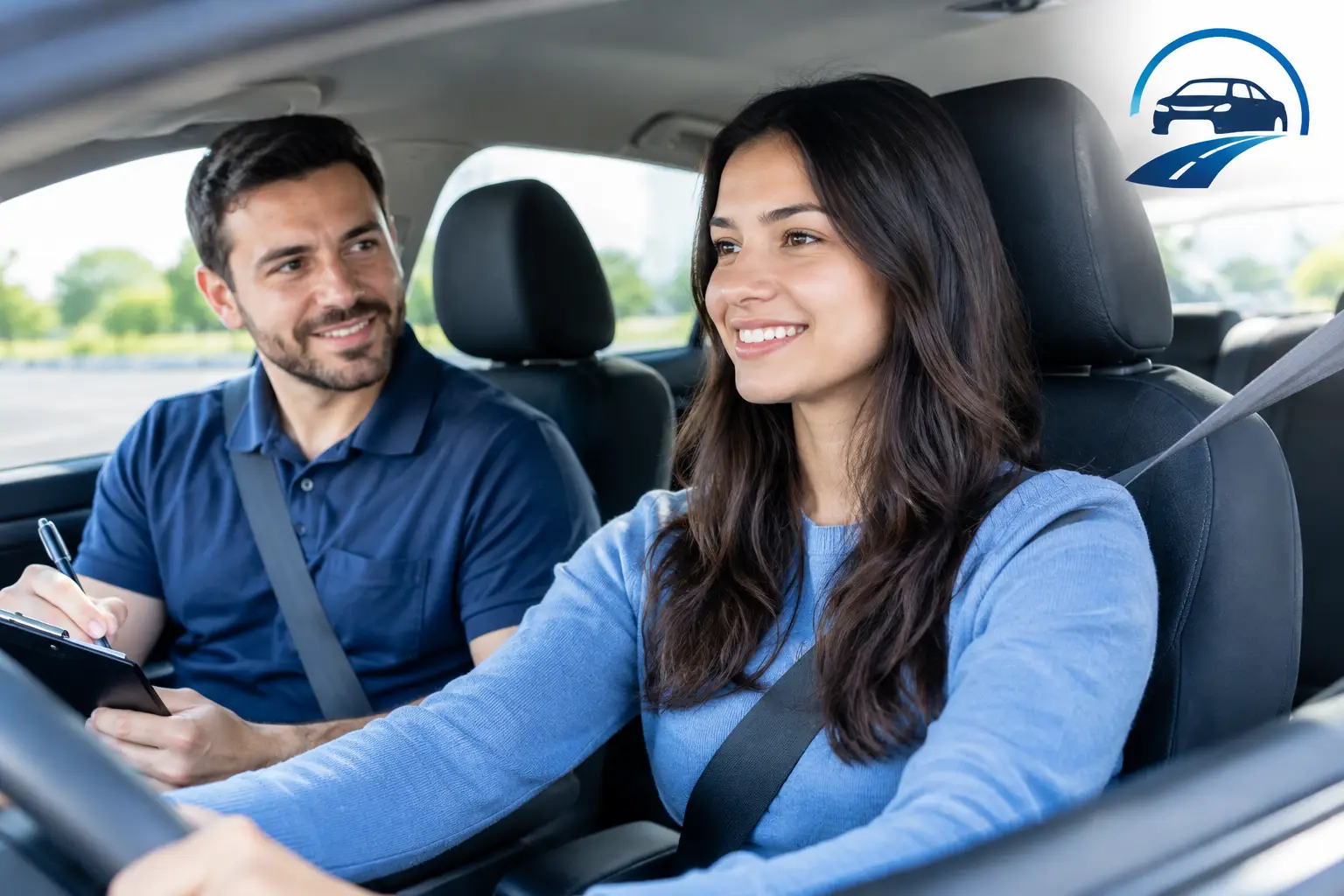
Professional instruction is particularly helpful for drivers who have recently moved to California, have not driven for several years, need to pass a DMV road test, or feel anxious about freeways and busy intersections. A qualified instructor can observe your driving, explain what California examiners expect, and create a practice plan around the skills you need most.
At Newport Driving School, international driver training can be tailored to a student’s prior experience, comfort level, and licensing goals. Focused lessons may cover California traffic laws, defensive driving habits, lane changes, parking, freeway entry, and DMV test preparation without treating an experienced driver like a beginner.
Give Yourself Time to Adapt
Confidence grows when your actions become consistent. Instead of measuring progress by how quickly you can pass a test, measure it by whether you can handle common situations calmly: a busy left turn, an unexpected pedestrian, a freeway merge, a four-way stop, or a lane change beside a motorcycle.
Your experience from another country is a strong foundation. With patient practice and a clear understanding of California expectations, it can become the foundation for safe, confident driving wherever your new routine takes you.

Related Posts
Comments (0)