Choosing automatic versus manual driving lessons affects your license, confidence, practice options, and DMV goals. Learn which fit is right for you today.
What Is Behind the Wheel Training?
A lot of new drivers expect the hardest part of learning to drive to be memorizing road signs or passing the written exam. Then they sit in the driver’s seat, ease into traffic, and realize the real challenge is making calm, safe decisions in real time. That is where what is behind the wheel training becomes clear. It is the hands-on part of driver education where a student learns to operate a vehicle on actual roads with a qualified instructor.
For many students, this is the step that turns theory into skill. Reading about right-of-way is one thing. Judging a busy left turn, checking mirrors under pressure, and keeping the right speed in changing traffic is something else entirely. Behind-the-wheel training is designed to bridge that gap safely and systematically.
What is behind the wheel training in practical terms?
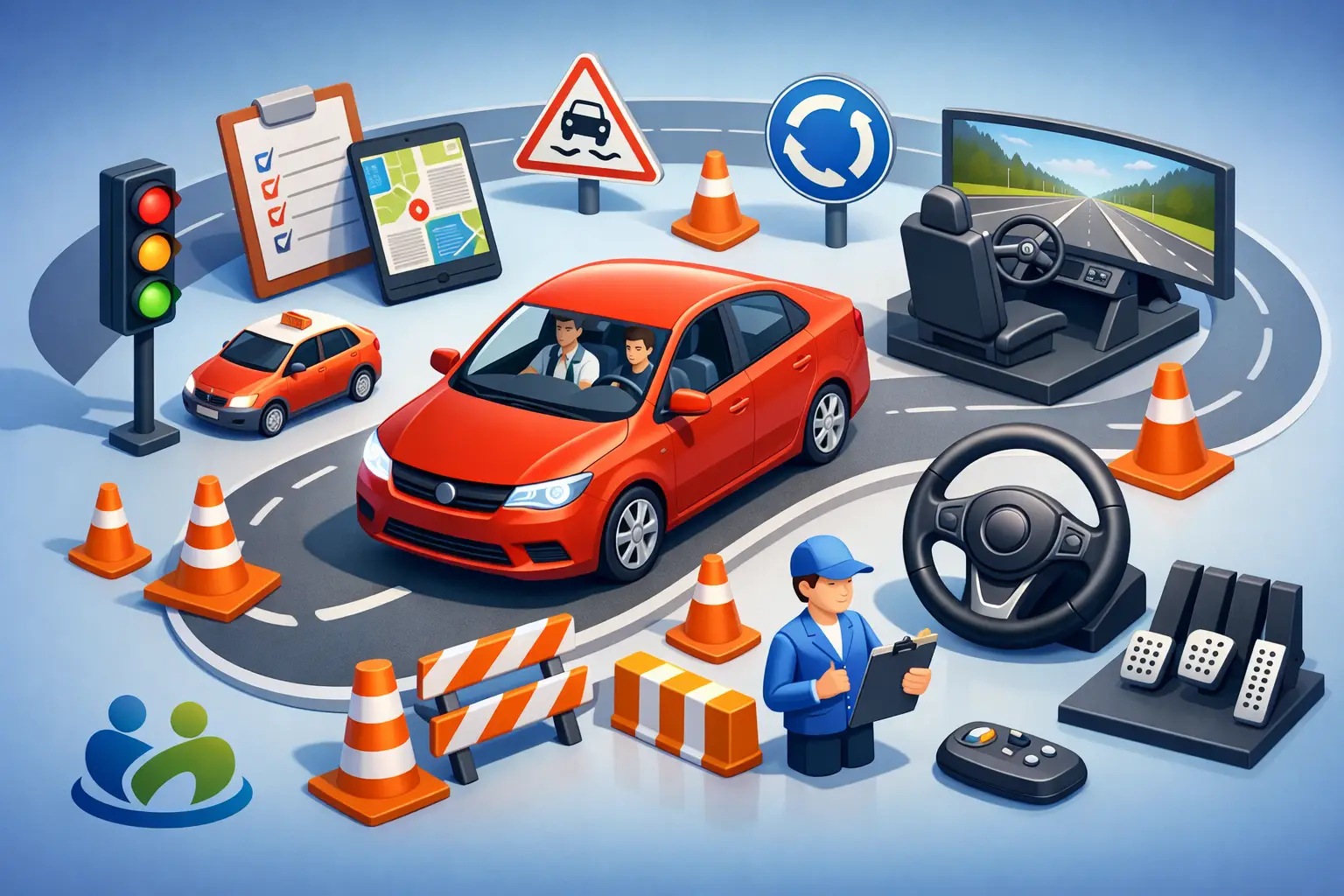
Behind-the-wheel training is supervised, in-car instruction. A student drives with a licensed, trained instructor who teaches vehicle control, traffic awareness, defensive habits, and decision-making in real driving conditions. The goal is not just to help someone move a car from point A to point B. The goal is to build safe, legal, repeatable driving habits.
A strong program usually starts with basic control skills like steering, braking, accelerating smoothly, mirror use, lane position, and proper turns. As the student improves, lessons expand to more complex tasks such as lane changes, intersections, parking, freeway driving, backing up, and hazard response. The instructor is not there just to correct mistakes after they happen. Good instruction helps students understand why a mistake happened and how to prevent it the next time.
This matters because driving is not a single skill. It is a combination of observation, timing, judgment, vehicle handling, and emotional control. Some students pick up one part quickly and struggle with another. That is why personalized instruction makes such a difference.
What happens during a behind-the-wheel lesson?
A lesson usually begins with a quick review of the student’s current level and the skill focus for that session. For a first lesson, that may mean getting comfortable with the controls, learning how to adjust mirrors and seat position, and practicing starting, stopping, and turning in low-pressure areas. For a more advanced student, the lesson may center on traffic flow, freeway merging, test routes, or correcting habits that could lead to a DMV road test failure.
During the drive, the instructor gives clear directions, watches for safety issues, and coaches the student through each situation. That includes things like scanning intersections early, maintaining a safe following distance, checking blind spots before changing lanes, and recognizing hazards before they become emergencies.
The pacing should match the student. A nervous teen, an adult first-time driver, and an international driver who already has experience in another country may all need different teaching approaches. The best lessons are structured, but not rigid. If a student needs more time on parking or lane control, that adjustment should happen without turning the lesson into a one-size-fits-all routine.
Why behind-the-wheel training matters more than many people think
The biggest value of in-car instruction is feedback. Most learners cannot accurately judge their own driving in the beginning. They may think they are checking mirrors often enough, slowing sufficiently before turns, or stopping completely at stop signs when they are not. A trained instructor sees those small gaps immediately.
That early correction is important because driving habits form fast. If a student practices the wrong technique over and over, it becomes harder to fix later. Proper behind-the-wheel training builds correct habits from the start, which improves both safety and test readiness.
There is also the issue of confidence. Confidence is useful only when it is based on skill. Some new drivers are overly anxious and need patient guidance to settle in. Others are too relaxed and need stronger coaching on risk awareness. Good instruction balances both sides. It helps nervous students feel capable and reminds overconfident students that control and caution are not optional.
Who needs behind-the-wheel training?
Teen drivers are the most obvious group, especially when state requirements apply. But they are far from the only ones who benefit.
Adult beginners often need behind-the-wheel training because they are learning later in life and want structured support instead of informal practice. International drivers may need help adjusting to California rules, road signs, lane discipline, and DMV expectations. Seniors sometimes use in-car training to refresh skills, rebuild confidence, or adapt after a medical change. Drivers who have failed a road test can also benefit from focused lessons that identify exactly what went wrong.
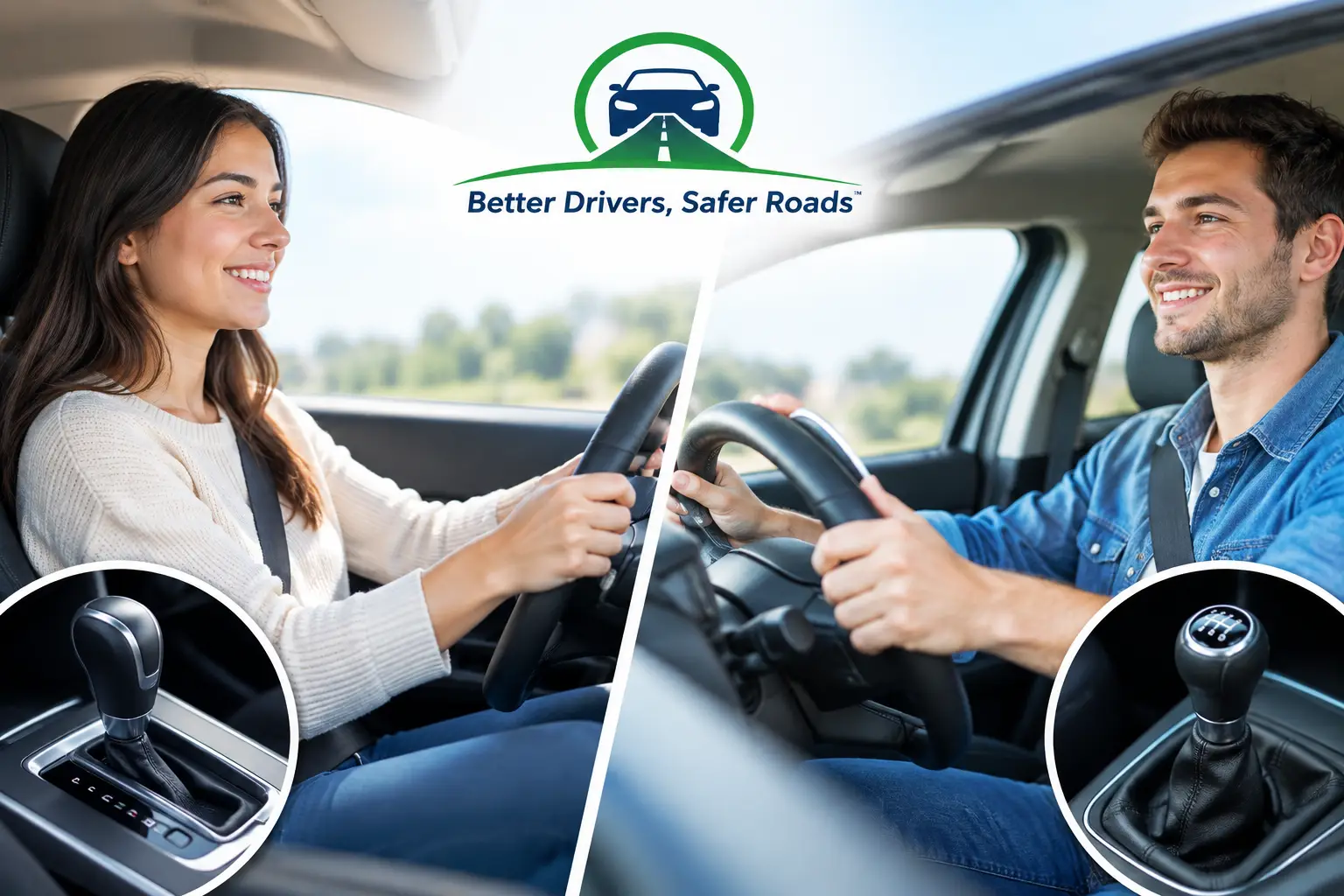
Even experienced drivers can need targeted training. Someone may be comfortable driving locally but uneasy on freeways. Another person may know how to drive an automatic but need instruction on manual transmission. In those cases, behind-the-wheel training is less about starting from zero and more about improving a specific skill set.
What skills are typically covered?
The exact curriculum depends on the student’s age, experience, and goals, but most quality programs cover a core set of real-world driving skills.
Students learn basic vehicle operation, including steering control, braking smoothly, accelerating appropriately, and understanding dashboard functions. They also work on traffic fundamentals such as intersections, stop signs, traffic lights, lane use, right-of-way, and speed management.
As lessons progress, instructors usually introduce more demanding situations. That may include unprotected left turns, lane changes in moderate traffic, parallel parking, backing, residential hazards, school zones, and freeway entry and exit. Defensive driving is woven into all of it. The student is learning not just how to drive, but how to anticipate mistakes from other drivers and respond calmly.
A DMV road test focus may also be part of training, but that should not be the entire purpose. Passing the test matters, of course. Still, the road test is a checkpoint, not the finish line. Safe independent driving after the test is what really counts.
What makes professional instruction different from practicing with family?
Practice with a parent, spouse, or friend can be helpful, and for many students it is part of the process. But it is not the same as professional instruction.
A professional instructor teaches with a method. They know how to break driving into manageable skills, when to introduce more complex traffic situations, and how to correct errors without overwhelming the student. They also understand current DMV expectations and common test mistakes.
There is another advantage that families sometimes overlook. Emotions can interfere with learning. A parent may mean well but become tense, impatient, or inconsistent. That can raise anxiety and slow progress. A trained instructor brings a calmer, more objective environment. For students who are nervous, easily distracted, or discouraged by criticism, that difference can be significant.
How many lessons does a student need?
There is no single answer because every student starts from a different place. Some students need only a few sessions to sharpen skills before a road test. Others need a more extended learning plan because they are true beginners, highly anxious, or working through specific challenges.
Progress depends on several factors, including how often the student practices, whether they retain feedback between lessons, how comfortable they are in traffic, and whether they are learning in a familiar environment. A teen who practices regularly between sessions may progress faster than an adult beginner who only drives during lessons. On the other hand, adults often bring stronger focus and patience to the process.
The right question is not just how many lessons are required. It is whether the student can drive safely, consistently, and independently in the situations they are likely to face.
How to know if a behind-the-wheel program is doing its job
A good program does more than fill time in the car. It should show measurable progress. The student should become smoother with basic control, more aware of surroundings, better at anticipating hazards, and more consistent with legal driving habits.
You should also expect communication. A strong instructor can explain what the student is doing well, where improvement is needed, and what the next lesson should focus on. If the training feels random, rushed, or identical for every student, that is usually a sign that personalization is missing.
At Newport Driving School, this student-by-student approach matters because not everyone learns the same way. A teen preparing for a first license, an adult returning to driving, and a driver who needs specialized support each benefit from instruction that meets them at their actual level.
The bigger purpose behind the wheel
Behind-the-wheel training is not just about learning how to pass a test or complete a state requirement. It is where drivers learn how to think clearly under pressure, manage risk, and build habits that protect themselves and everyone around them.
That is why the best training feels steady, focused, and personal. The goal is simple: when the instructor steps out and the student drives alone, the right decisions should still be there.

Related Posts


Comments (0)