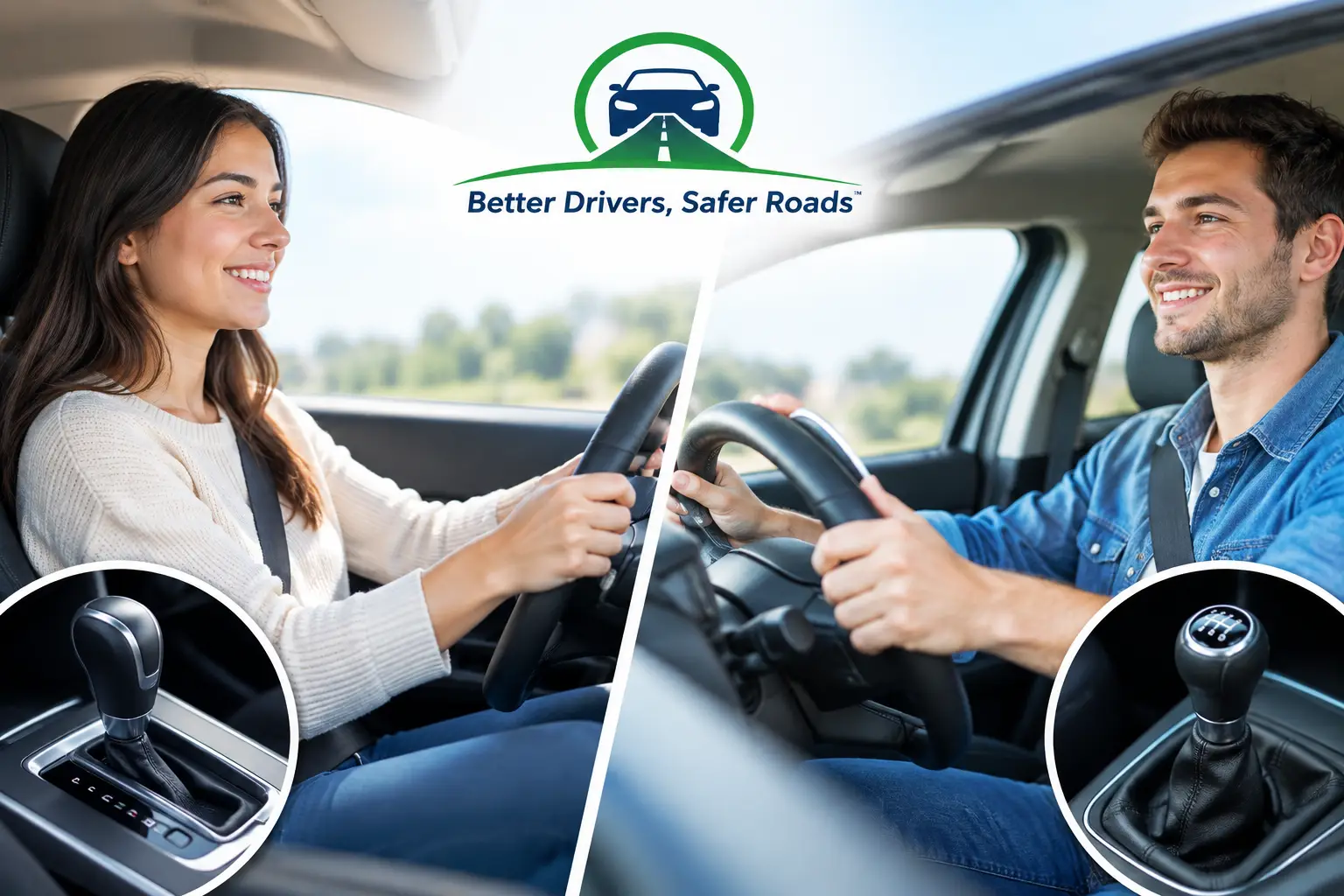
Choosing automatic versus manual driving lessons affects your license, confidence, practice options, and DMV goals. Learn which fit is right for you today.
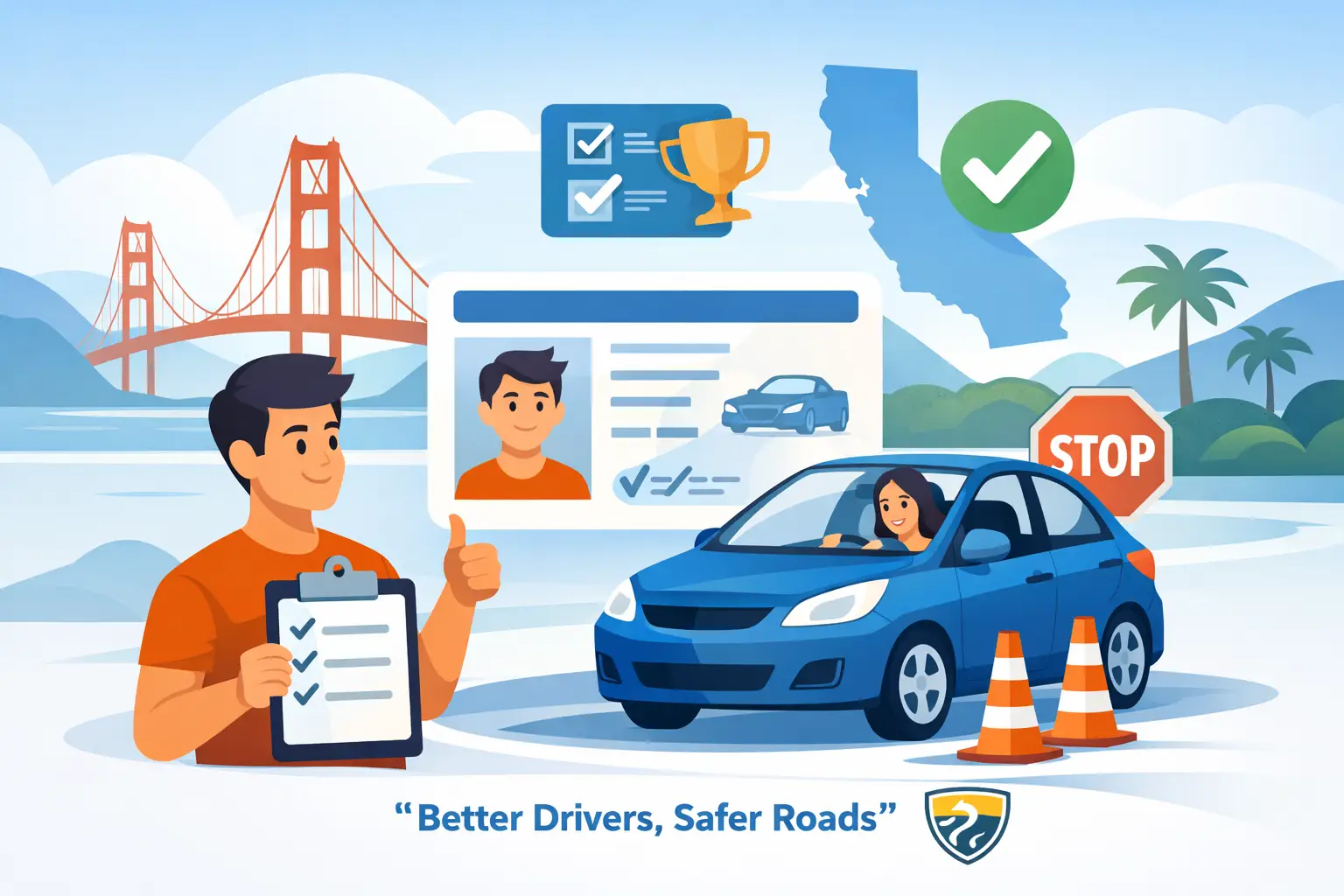
How to Pass Permit Test in California First Try
The California permit test is not designed to trick you. It is designed to confirm that you understand the rules that protect you, your passengers, cyclists, pedestrians, and everyone else sharing the road. If you are searching for how to pass permit test questions on your first attempt, the answer is not memorizing random answers the night before. It is learning the rules well enough to recognize what the DMV is really asking.
For teens, adults learning later in life, and international drivers adapting to California rules, the written test can feel high stakes. A calm, organized study plan turns it into a manageable first step toward safe, independent driving.
How to Pass Permit Test Questions With Purpose
The permit exam checks your understanding of traffic laws, road signs, safe-driving decisions, and the consequences of risky behavior. Many questions are straightforward. Others test whether you can choose the safest action when more than one option sounds reasonable.
That distinction matters. A question about a yellow light, a school zone, or a right-of-way situation is not asking what feels convenient. It is asking what the law requires and what reduces risk. When you study with safety in mind, you are less likely to get confused by wording that changes from one practice test to another.
Start with the current California Driver’s Handbook. Treat it as your primary source, because online quizzes and videos can be outdated or oversimplified. Read the sections on signs, signals, pavement markings, speed laws, intersections, parking, sharing the road, distracted driving, alcohol and drug laws, and provisional license restrictions if you are under 18.
Do not rush through chapters just because a rule seems familiar. Many students have seen stop signs and crosswalks their whole lives, but have never needed to explain who has the right-of-way at an uncontrolled intersection or when a pedestrian must be given space. The test often lives in those details.
Build a Study Routine You Can Actually Keep
Cramming can work for a few vocabulary terms, but driving rules require recall and judgment. A better approach is to study in shorter sessions over several days or weeks. Even 25 to 30 focused minutes at a time can be effective when you review consistently.
After reading a handbook section, close it and explain the rule in your own words. For example, instead of simply rereading a rule about following distance, ask yourself what could change your stopping distance: speed, rain, darkness, traffic, tire condition, and your own attention. This kind of active recall reveals what you truly understand.
Practice tests are valuable, but use them as a diagnostic tool, not a shortcut. Take one after studying a topic, then review every missed question and every question you guessed correctly. Write down the rule behind the answer. If you only memorize that choice B was correct, you may miss the same concept when it is phrased differently.
Pay extra attention to these areas, since they commonly cause avoidable mistakes:
- Right-of-way rules at intersections, roundabouts, crosswalks, and four-way stops
- Sign shapes, colors, lane-use markings, and traffic signals
- Speed limits and when conditions require driving below the posted limit
- Parking restrictions, curb colors, hills, fire hydrants, and disabled parking spaces
- Sharing the road with motorcycles, bicycles, large trucks, school buses, and emergency vehicles
- Consequences of distracted, impaired, aggressive, or uninsured driving
If a topic keeps causing trouble, slow down rather than taking more quizzes. Re-read the handbook section, picture a real road situation, and ask why the rule exists. The goal is a driver who can make safe choices, not someone who can recognize a repeated question.
Know What the DMV Will Ask You to Bring
Strong test preparation can still be derailed by missing documents. Before your appointment, review the DMV’s current requirements for your age and situation. Requirements can differ for minors, adults, first-time applicants, and people who have moved to California from another country or state.
You may need proof of identity, residency documents, application information, a Social Security number or evidence of ineligibility, and payment for applicable fees. Minors generally need a parent or guardian involved in the application process, and they must meet driver education requirements before receiving a permit. Because DMV procedures can change, confirm the details before you leave home rather than relying on advice from a friend who tested years ago.
Bring your glasses or contact lenses if you use them for driving. A vision screening is part of the process, and forgetting corrective lenses can create an unnecessary delay. Plan to arrive early enough that parking, check-in, document review, and nerves do not put you behind schedule.
Use Smart Test-Day Habits
The best test-day strategy starts the night before. Get sleep, eat something steady, and avoid a last-minute study marathon that leaves you mentally tired. Review a small set of notes, especially rules you have missed before, then give your brain time to rest.
At the DMV, read each question slowly. Watch for words such as “always,” “never,” “first,” “must,” and “unless.” They can change the meaning of the entire question. If a scenario involves a possible collision, pedestrian, emergency vehicle, or restricted area, the safest legal action is often the correct one.
Do not let one difficult question shake your confidence. Answer what you know, mark or skip a question if the testing format allows it, and return with a clearer mind. Eliminate choices that clearly violate a law or create an obvious hazard. Then compare the remaining answers to the rule you learned from the handbook.
Be especially careful with questions that describe real-world pressure. A driver behind you may be honking, traffic may be moving quickly, or you may be late. None of that gives you permission to ignore a stop sign, exceed a safe speed, crowd a cyclist, or enter an intersection without enough space to clear it. The test is checking whether you can resist unsafe pressure before you ever drive alone.
What to Do If You Do Not Pass the First Time
Not passing on the first attempt can be frustrating, but it gives you useful information. Do not respond by taking the same practice test repeatedly until the answers look familiar. Instead, identify the categories behind your missed questions. Were they signs? Parking laws? Alcohol rules? Right-of-way decisions?
Review those topics in the handbook and take a new set of questions later. If you were anxious, recreate test conditions at home: sit somewhere quiet, put your phone away, and complete a timed practice exam without help. Building comfort with the format can make a meaningful difference.
Some learners benefit from personal instruction before the written test, particularly adults returning to driving, foreign drivers learning California rules, or students who need a different learning approach. A qualified instructor can explain confusing situations with practical examples and help connect the permit test to the skills you will use behind the wheel. Newport Driving School has supported California learners with patient, personalized driver education since 1997.
Remember What the Permit Is For
Passing the knowledge test earns you the opportunity to begin supervised driving practice. It is not proof that you are ready for every road, weather condition, or traffic situation. Your permit is the starting point for building observation, speed control, lane positioning, braking, and decision-making skills with a qualified adult or instructor beside you.
Approach the test with that bigger purpose in mind. Study the rules, prepare your documents, and give yourself enough time to learn rather than guess. The confidence you gain from understanding the law will matter long after the test screen says you passed.

Related Posts

Comments (0)