
Use these best road test warmup tips to settle nerves, check your car, and show the DMV examiner safe, confident driving from the first minute of the test.
Refresher Driving Lessons After an Accident
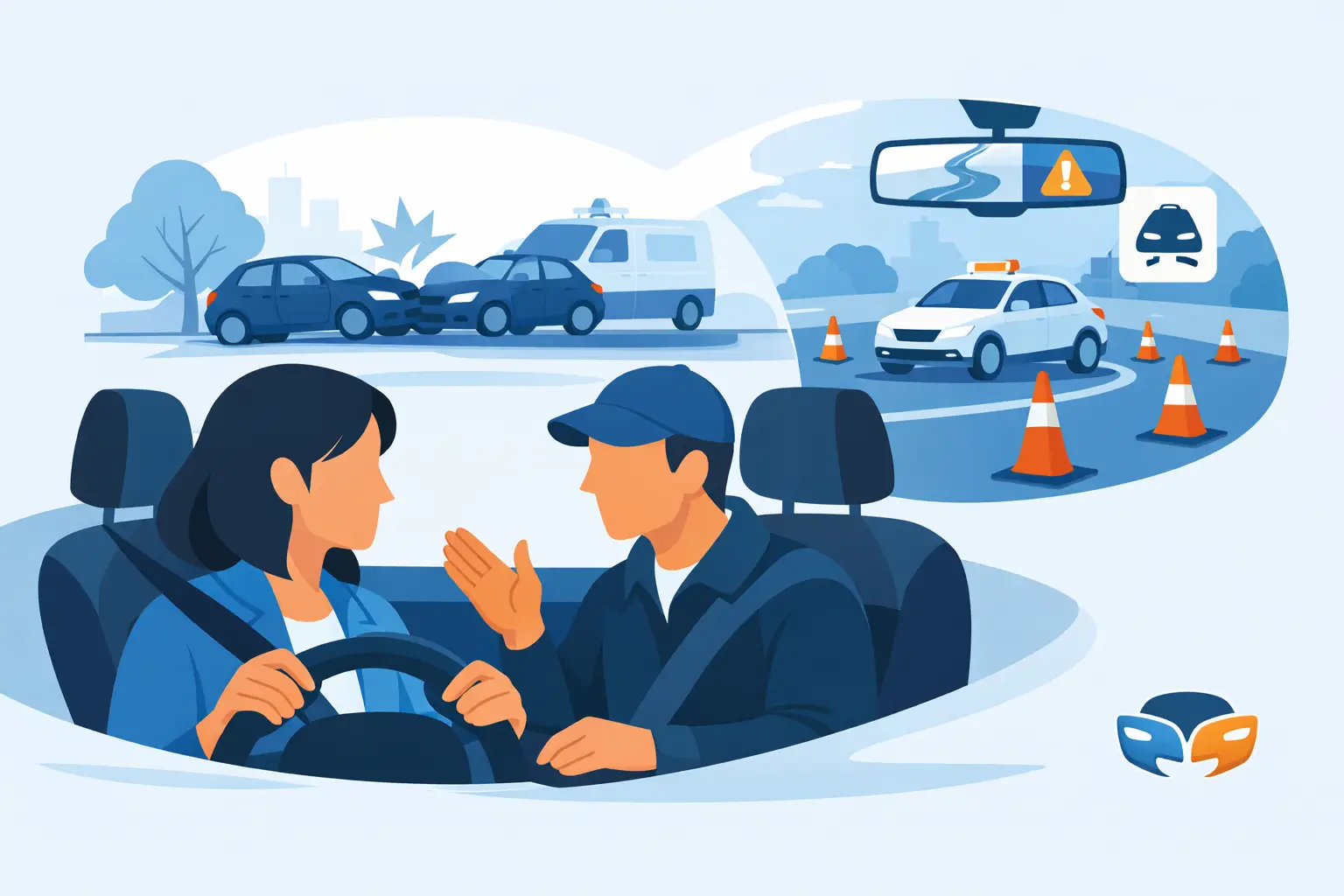
A collision can change the way a familiar route feels. A left turn may suddenly seem uncertain, freeway traffic may feel too fast, or the sound of a hard brake can bring back more stress than expected. Refresher driving lessons after accident give drivers a structured, private setting to rebuild skill and confidence without pressure from family members, traffic, or a looming DMV test.
The goal is not to pretend the accident did not happen. It is to identify what feels difficult now, practice the right techniques with a qualified instructor, and return to driving with clearer decision-making. For some drivers, that takes one focused session. For others, a gradual plan over several lessons is the better choice.
When a Refresher Lesson Makes Sense
An accident does not automatically mean someone is an unsafe driver. Collisions happen for many reasons, including another motorist’s mistake, poor visibility, road conditions, or a brief lapse in attention. Still, it is reasonable to seek additional training when the experience has affected how you drive or how you feel behind the wheel.
A refresher lesson can be especially useful if you are avoiding certain roads, gripping the steering wheel tightly, second-guessing normal decisions, or feeling overwhelmed at intersections and merges. It can also help when a parent, spouse, or adult child has noticed changes in your driving habits. The sooner these patterns are addressed, the less likely they are to become permanent habits.
Some drivers seek instruction after a minor parking-lot incident because they feel embarrassed or uncertain about low-speed maneuvering. Others return after a serious freeway collision and need a slower, more deliberate reintroduction to traffic. The right starting point depends on the driver, the accident, current comfort level, and any medical guidance received after the crash.
If you have an injury, are taking medication that may affect alertness, or have been advised not to drive, follow your medical professional’s direction before scheduling behind-the-wheel practice. A driving lesson supports skill development, but it is not a substitute for medical clearance or treatment for accident-related trauma.
What Refresher Driving Lessons After an Accident Cover
The best refresher training starts with a conversation, not assumptions. An instructor should ask what happened, what situations now feel uncomfortable, and what outcome you want from the lesson. You may want to drive to work again, feel comfortable taking your child to school, regain confidence on the freeway, or simply stop feeling tense during routine trips.
From there, training can focus on the driving tasks most relevant to you. That may include checking mirrors effectively, maintaining safe following distance, judging gaps before turns, scanning intersections, or managing speed on crowded local streets. An experienced instructor can observe habits that are hard to notice on your own, such as braking too late, braking too early, staring at the vehicle ahead, or hesitating at the wrong time.
Defensive Driving Without Overcorrecting
After an accident, some drivers become more cautious in ways that actually create new risks. They may drive far below the flow of traffic, stop unnecessarily, leave excessive gaps before entering an intersection, or brake abruptly whenever another vehicle appears close. Caution matters, but predictable driving matters too.
Defensive driving instruction helps restore that balance. You learn to create space, look farther ahead, recognize developing hazards, and make timely decisions. The aim is not aggressive driving or fearful driving. It is calm, observant, legal driving that gives you options when conditions change.
Rebuilding Comfort in the Situations You Avoid
Avoidance can make anxiety grow. If you stop using freeways after a collision, the first attempt months later may feel bigger than it needs to. A gradual lesson plan can break that task into manageable stages, starting with lower-speed roads and simple lane changes before moving to busier routes.
The same approach works for intersections, parking structures, nighttime driving, rain, roundabouts, or busy shopping areas. There is no benefit in forcing a driver into the most stressful setting on the first lesson. Progress is more reliable when each session builds on a skill that already feels manageable.
What to Expect During Your First Session
Your first lesson should feel organized and focused. Before driving, the instructor may review basic vehicle setup: seat position, steering-wheel distance, mirror adjustment, dashboard controls, and any features in an instructional vehicle that are unfamiliar to you. Proper setup can make a real difference in visibility, reaction time, and physical comfort.
On the road, the instructor will usually begin in an area suited to your current confidence level. You may start with ordinary residential or commercial streets, then move toward the situations you identified as challenging. The instructor can provide clear coaching in real time while allowing you enough space to make decisions and regain trust in your own judgment.
Expect feedback to be specific. Instead of hearing that you need to “be more careful,” you should learn what to look for, when to begin braking, where to position your vehicle, and how to respond if another driver makes an unexpected move. Useful coaching turns a vague concern into an action you can practice.
You do not need to prove anything during the lesson. If a particular route feels too difficult that day, tell the instructor. Honest communication allows the training plan to match your needs rather than follow a fixed routine.
How Many Lessons Will You Need?
There is no single number that fits every driver. A person with solid driving experience who wants to review freeway merging after a minor accident may benefit from one or two sessions. A driver who has avoided driving for months, or who feels intense anxiety in traffic, may need several lessons spaced over time.
Frequency also depends on your opportunity to practice. One lesson followed by calm, short drives during the week can build momentum. Several lessons without any practice between them may require more time. If you do not have access to a suitable vehicle or a supportive practice partner, professional lessons can provide the consistency you need.
Progress should be measured by more than whether you feel completely fearless. A better sign is that you can recognize hazards earlier, make smoother decisions, recover from small mistakes without panic, and complete routine drives with less physical tension. Confidence usually returns through repeated evidence that you can handle the road safely.
Choosing the Right Instructor and Lesson Plan
After an accident, patience is not an optional quality. Look for a DMV-certified instructor who can explain techniques clearly, adjust the pace of the lesson, and provide direct feedback without making you feel judged. The instructor should respect your concerns while still helping you move forward.
Personalization matters because the cause of discomfort is different for every driver. Someone who was rear-ended may watch the mirror constantly and struggle to focus ahead. Someone involved in a side-impact collision may become uncertain at intersections. A foreign driver adapting to California traffic may need both confidence-building and a review of local right-of-way rules.
At Newport Driving School, refresher instruction can be tailored to the driving environments and skills that matter most to you. For Orange County drivers, that may mean practicing complex local intersections, freeway entrances, lane changes, parking, or everyday commuting routes with a professional, safety-focused approach.
Steps You Can Take Between Lessons
Small, consistent practice is usually more effective than one long, stressful drive. Choose a time of day with lighter traffic and plan a route you know well. Before leaving, adjust your seat and mirrors, silence distractions, and give yourself extra time so you are not rushing.
As you drive, keep your attention moving: far ahead, near ahead, mirrors, and side areas around intersections. If you notice tension building, take a slow breath and return to the basics of space, speed, and scanning. Pull over safely if you need a break. Continuing while overwhelmed can reinforce the very stress you are trying to reduce.
It can help to set one practical goal for each drive, such as making smooth stops, checking mirrors before every lane change, or entering a familiar freeway on-ramp. Keep the goal small enough to succeed. Gradual improvement is more durable than trying to solve every concern in one trip.
A crash may be part of your driving history, but it does not have to define the way you drive next. With patient practice, professional feedback, and a plan that respects your pace, the road can begin to feel familiar again.

Related Posts

Comments (0)