Emergency braking practice builds the calm, controlled response drivers need when traffic changes fast. Learn how to train safely and effectively today.
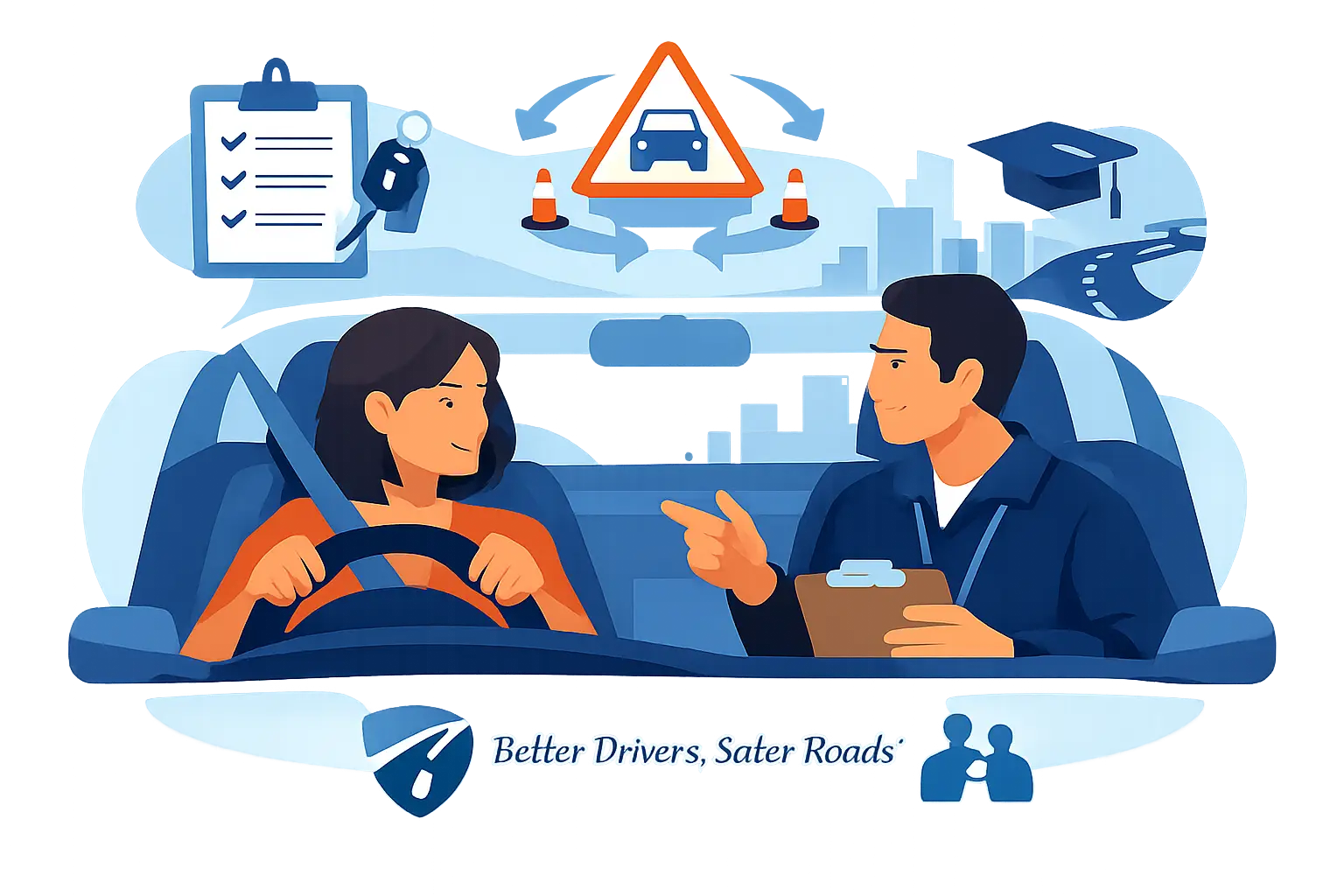
Can Adults Take Drivers Ed? Yes – Here’s Why
A driver license can feel like a long-delayed goal, a practical necessity, or a fresh start after years away from the wheel. Whatever brought you here, the answer to “can adults take drivers ed” is yes. Adult driver education and professional behind-the-wheel instruction are available, and they can make the path to a California license far more structured, safe, and manageable.
Many adult students assume driving school is only for teenagers. That is understandable, since teens have specific state education requirements before they can be licensed. But adults often have equally valid reasons to seek training: they may be first-time drivers, new to California, nervous after an accident, returning to driving after a long break, or preparing for a DMV test after a previous unsuccessful attempt.
Can Adults Take Drivers Ed in California?
Yes. Adults can enroll in driver education courses, online courses, classroom instruction, and behind-the-wheel driving lessons in California. There is no age limit that prevents an adult from learning with a licensed driving school.
The key distinction is that driver education is generally not a state requirement for adults age 18 and older pursuing a first California license in the same way it is for minors. That does not mean it lacks value. A course can help an adult understand California traffic laws, signs, right-of-way rules, defensive driving principles, and the decisions that appear on the DMV knowledge test.
Behind-the-wheel lessons are often even more useful. Passing the written test is one step; operating a vehicle calmly and predictably in real traffic is another. A qualified instructor can turn vague advice such as “just practice more” into a lesson plan that addresses your actual skill level.
Adults should always verify current California DMV licensing requirements before scheduling a test. Requirements can depend on your age, license history, residency status, and whether you already hold a license from another state or country.
Why Adult Driver Education Is Worth Considering
Adults do not all start from the same place. One student may have driven abroad for 15 years but need to adjust to California road rules. Another may have never driven because public transportation, family support, or life circumstances made a license unnecessary. Treating both students as beginners would waste time and create frustration.
A well-designed adult program begins with an honest assessment. You may need a complete foundation in vehicle controls, parking, lane changes, freeway driving, and intersections. Or you may only need focused DMV road test preparation, practice with California-style turns and stops, and help correcting habits that would concern an examiner.
Professional instruction also gives many adults something they cannot easily get from a family member: calm, objective feedback. Learning with a spouse, parent, or friend can work well for some people, but it can also add pressure. An instructor is there to explain, demonstrate, observe, and correct without turning a lesson into a personal disagreement.
For anxious learners, that difference matters. Confidence does not come from being told to relax. It grows when you repeat a skill in the right order, understand what went wrong, and see measurable improvement from one lesson to the next.
Driver Education vs. Behind-the-Wheel Lessons
These services are related, but they solve different problems.
Driver education focuses on knowledge. It covers the rules of the road, safe decision-making, traffic laws, sharing the road with pedestrians and cyclists, alcohol and drug impairment, distracted driving, and other material relevant to the DMV knowledge test. Adults may choose an online driver education course for flexibility, especially when balancing work, school, or family responsibilities.
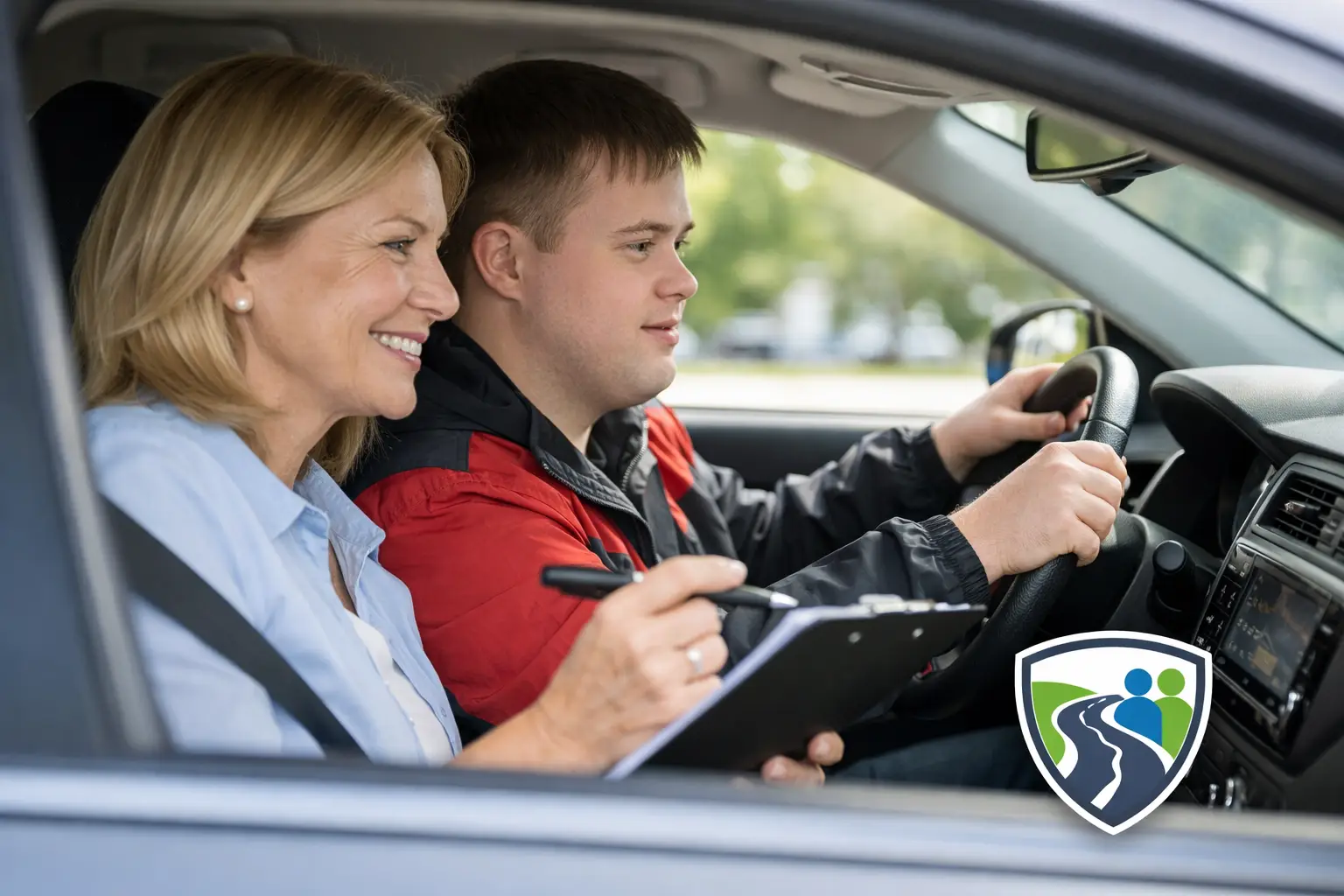
Behind-the-wheel training focuses on application. You sit in the driver’s seat, develop control of the car, and practice in real driving environments with an instructor. Lessons may include residential streets, busy intersections, parking lots, multilane roads, freeways, and DMV test-area routes when appropriate.
Most first-time adult drivers benefit from both. The education portion helps the rules make sense before you encounter them in traffic. Driving lessons make those rules usable when you have mirrors to check, a traffic signal changing, and another vehicle entering your lane.
What Adults Commonly Need Help With
An adult lesson plan should not be one-size-fits-all. The most common needs tend to fall into a few practical categories:
- First-time driving instruction for adults who need to build skills from the ground up.
- DMV knowledge test and road test preparation for learners who want a clearer, more efficient plan.
- Refresher lessons for licensed drivers returning after years away from driving.
- California transition training for international drivers or people relocating from another state or country.
- Defensive driving, freeway practice, parking practice, or manual transmission instruction for drivers with a specific goal.
The right amount of training depends on your starting point. A driver with prior experience may be ready for a focused evaluation and a few corrective sessions. A true beginner should expect a more gradual process. Trying to rush before your steering, braking, observation, and judgment are consistent can create more anxiety, not less.
Preparing for a California License as an Adult
For adults obtaining their first California license, the process generally involves studying for and passing the knowledge test, completing vision screening, obtaining an instruction permit, practicing driving, and passing the behind-the-wheel skills test. Adults are not typically subject to the same minimum education and permit-holding periods that apply to minors, but safe preparation still takes time.
Practice should be purposeful. Simply driving around a quiet neighborhood may help you get comfortable with steering and braking, but it may not prepare you for complex intersections, lane changes, parking maneuvers, or the observation habits expected during a road test.
A driving instructor can help you practice the details examiners look for: complete stops, proper lane position, safe following distance, mirror checks, signal timing, smooth turns, and awareness of pedestrians and surrounding traffic. These are not tricks for passing a test. They are the habits that reduce risk after you receive your license.
If you do not have access to a suitable practice vehicle or a qualified person to supervise you, professional lessons can be especially helpful. Newport Driving School provides personalized instruction for adult learners throughout Orange County and surrounding Southern California communities, with patient instructors who adapt training to the student rather than forcing every driver into the same pace.
When a Refresher Course Makes Sense
Adult driver education is not only for first-time applicants. Licensed drivers often return for refresher training after a move, a collision, a medical recovery, a long period without driving, or a major change in confidence.
A refresher course can focus on the situations you avoid most. Perhaps freeway merging makes you tense, parallel parking feels impossible, or busy left turns cause hesitation. There is no shame in getting targeted help. Avoiding difficult situations forever can limit your independence, while guided practice can make them familiar again.
Older drivers may also benefit from a safety-focused assessment that considers current driving habits, reaction time, vision concerns, and vehicle changes. The goal is not to judge a driver by age. It is to support safer decisions and continued mobility where appropriate.
Choosing an Adult Driving School
Look for a school that is licensed, experienced, and clear about what its lessons include. DMV-certified instructors, properly equipped training vehicles, and a structured approach to safety should be nonnegotiable.
It also helps to ask how the school personalizes instruction. An adult beginner, an international driver, and a returning senior should not receive identical lessons. The best instruction identifies the skills you need first, explains the reason behind each correction, and builds upward without overwhelming you.
Convenience matters, too. Flexible scheduling, online education options, and local pickup and drop-off can make it easier to fit training into a full adult schedule. But do not choose based on convenience alone. A lower-cost lesson that does not address your weak areas may lead to more time, more test attempts, and more stress later.
A license is valuable because it expands where you can work, live, care for family, and travel. Give yourself permission to learn at the pace that creates real capability. With patient instruction and deliberate practice, adult learners can move from uncertainty to safer, more independent driving.

Related Posts
Comments (0)