Choosing automatic versus manual driving lessons affects your license, confidence, practice options, and DMV goals. Learn which fit is right for you today.
Best Road Test Warmup Tips Before You Drive
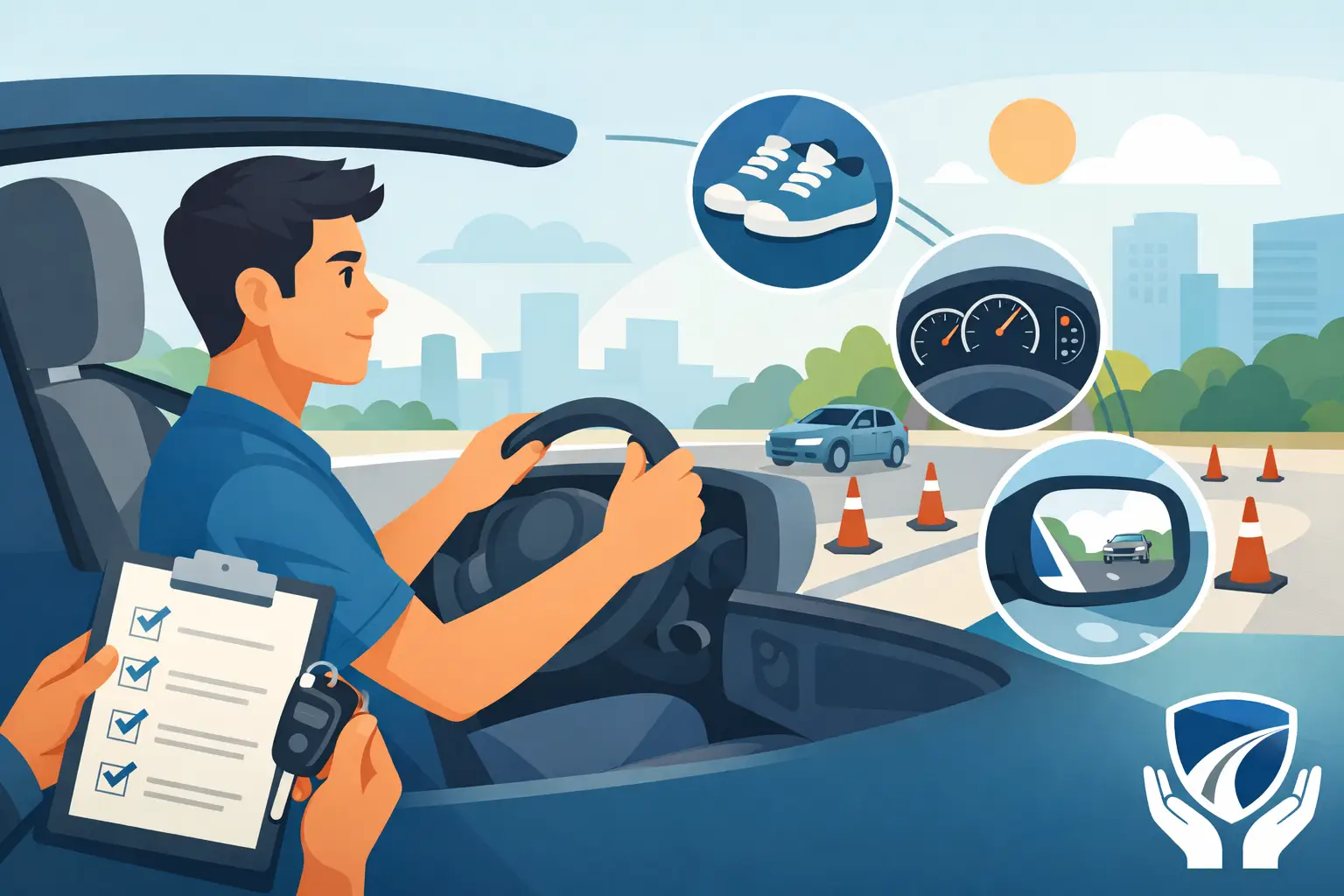
A road test can feel decided before you leave the DMV parking area. You may know how to parallel park, change lanes, and make controlled turns, but a rushed start can hide those skills. The best road test warmup tips are not about cramming in new techniques. They help you arrive calm, prepared, and ready to demonstrate the safe habits you have already practiced.
For many California learners, the most useful warmup is a short, focused drive with clear priorities. The goal is not to impress anyone before the test. It is to get comfortable with the vehicle, reset your attention, and begin the appointment without avoidable surprises.
Start Your Warmup Early Enough to Avoid Rushing
Plan to arrive in the area 20 to 30 minutes before your appointment, depending on traffic and your familiarity with the DMV location. That does not mean driving around until you are exhausted. It means giving yourself time for a brief practice drive, parking, checking in, and taking a breath before the examiner calls your name.
Rushing can create problems that have nothing to do with driving ability. A learner who arrives late may skip a vehicle check, forget required documents, or begin the test with tense hands and shallow breathing. Parents and adult students should also build in extra time for parking congestion, construction, or a line at the DMV check-in area.
If you are using a family vehicle, make sure the person bringing you understands that the warmup drive should stay calm. This is not the moment for last-minute criticism or a long lecture about mistakes from yesterday’s lesson. A quiet, encouraging passenger helps far more than a stressed one.
Use a Short Route You Know Well
The best warmup route is usually simple: a few residential streets, a stop sign or two, a moderate-speed road, and a safe place to practice a lane change if conditions allow. Choose roads you know and avoid trying to predict or copy the exact DMV test route. Test routes can change, and chasing one can distract you from the fundamentals that matter on every road.
During this drive, focus on the skills that need to feel automatic. Come to complete stops. Scan intersections before entering them. Keep a steady speed. Check mirrors regularly. Signal early enough for other drivers to understand your intention.
A warmup is also a useful time to feel the vehicle’s braking response, steering sensitivity, and blind spots. This matters especially if you are testing in a car you do not drive often. Different vehicles have different brake pressure, turning radius, rear visibility, and signal controls. Learn those details before the examiner is in the passenger seat.
Check the Vehicle Before the Examiner Does
California DMV examiners expect the test vehicle to be safe and legally operable. A preventable vehicle issue can delay or cancel a test, even when the applicant is well prepared. Complete this check before you join the line.
Make sure the doors, seat belts, mirrors, horn, brake lights, turn signals, headlights, and windshield wipers work properly. Confirm that the windshield gives you a clear view and that the tires appear properly inflated. The vehicle should have valid registration and insurance information available as required.
Inside the car, remove distractions. Put away loose items that could slide under the pedals. Silence your phone and ask passengers to do the same. Set your seat, steering wheel position, mirrors, and climate controls before the test begins. You should not need to adjust your driving position after you pull away.
Get Your Seating Position Right
Sit close enough to press the brake pedal firmly without stretching your leg, but not so close that you feel cramped. Adjust the head restraint and fasten your seat belt. Your hands should rest comfortably on the steering wheel, with enough bend in your elbows to steer smoothly.
Then set the mirrors for useful coverage, not for a quick glance at your own car. The rearview mirror should show the full rear window. Side mirrors should reduce blind spots while still giving you a reference point for the sides of the vehicle. Mirror checks do not replace looking over your shoulder before changing lanes, but good mirror setup makes scanning easier.
Rehearse Observation, Not Just Maneuvers
Many road test errors happen because a student completes the maneuver but does not clearly demonstrate observation. For example, a driver may make a safe right turn but fail to scan for pedestrians. They may change lanes smoothly but neglect a visible shoulder check. They may stop completely but roll forward before looking carefully through the intersection.
During your warmup, say a quiet observation routine to yourself if it helps: mirrors, signal, traffic, shoulder check, then move when clear. You do not need to narrate your driving to the examiner unless asked. Still, mentally following a consistent sequence can prevent the common habit of acting too quickly.
Pay special attention to crosswalks, bicyclists, parked cars, school zones, and intersections with limited visibility. The examiner is looking for safe judgment, not robotic driving. If a pedestrian is near a crosswalk, slow down and be prepared to yield. If traffic blocks your view, wait until you can make a safe decision.
Practice Smooth Stops and Calm Starts
A warmup is the right place to settle the two actions that often reveal nerves: braking and accelerating. Practice bringing the car to a controlled, complete stop behind the limit line or crosswalk. Avoid stopping so abruptly that passengers lean forward, but do not coast through a stop sign because you are trying to be overly gentle.
When starting from a stop, release the brake, scan the road, and accelerate gradually. Keep both hands ready to steer and avoid looking down at the controls. At intersections, do not let a driver behind you pressure you into turning before the path is safe. A short wait is almost always better than forcing a gap.
If you drive a manual transmission vehicle, spend several minutes practicing smooth clutch control before checking in. Hill starts, low-speed turns, and stop-and-go traffic can expose hesitation. There is no advantage to choosing a manual vehicle for the test unless you are genuinely comfortable operating it.
Manage Nerves Without Trying to Eliminate Them
Feeling nervous before a road test is normal. In fact, a small amount of nervous energy can keep you alert. The problem begins when anxiety causes you to rush, freeze, or focus on one small mistake instead of the road ahead.
Use the minutes before the test to slow your breathing. Try inhaling for four counts and exhaling for six counts a few times while parked. Keep your attention on the next safe action rather than the final result. You do not need a perfect drive. You need a drive that shows sound control, awareness, and judgment.
Avoid reviewing every possible error at the last second. That approach can overload a beginner. Instead, choose three reminders: complete stops, steady speed, and visible observation. If you make a minor mistake during the warmup or the test, reset. One imperfect turn does not automatically mean you have failed.
Best Road Test Warmup Tips for Parents and Support Drivers
The person accompanying a learner can strongly affect the tone of the appointment. Offer practical help by confirming documents, checking that the vehicle is ready, and allowing enough time to arrive. Then step back and let the student focus.
Helpful encouragement sounds specific: “Take your time at each stop,” or “You know your mirror and shoulder-check routine.” Unhelpful coaching sounds urgent, vague, or critical. Avoid arguing about a small warmup error minutes before the test. A professional lesson beforehand can be valuable when a student needs targeted feedback, but the final pre-test drive should reinforce confidence, not introduce new pressure.
For students with significant test anxiety, limited recent practice, or uncertainty with California driving rules, a structured DMV road test preparation lesson can provide a more reliable warmup plan. An experienced instructor can identify whether the issue is vehicle control, observation, right-of-way decisions, or nerves, then tailor practice to that need.
Know When to Stop Practicing
More practice is not always better on test day. A short warmup can sharpen your focus, but an hour of repeated maneuvers may make you tired or frustrated. Stop while you feel steady. Park somewhere safe, review your documents, use the restroom if needed, and give yourself a few quiet minutes.
When the examiner arrives, listen carefully to instructions and ask for clarification if you did not hear something. Drive at a safe pace, make your checks visible, and keep your attention outside the vehicle. The best preparation is a calm start followed by one safe decision at a time.

Related Posts


Comments (0)