Choosing automatic versus manual driving lessons affects your license, confidence, practice options, and DMV goals. Learn which fit is right for you today.
Driving Lessons With Pickup: A Smarter Start
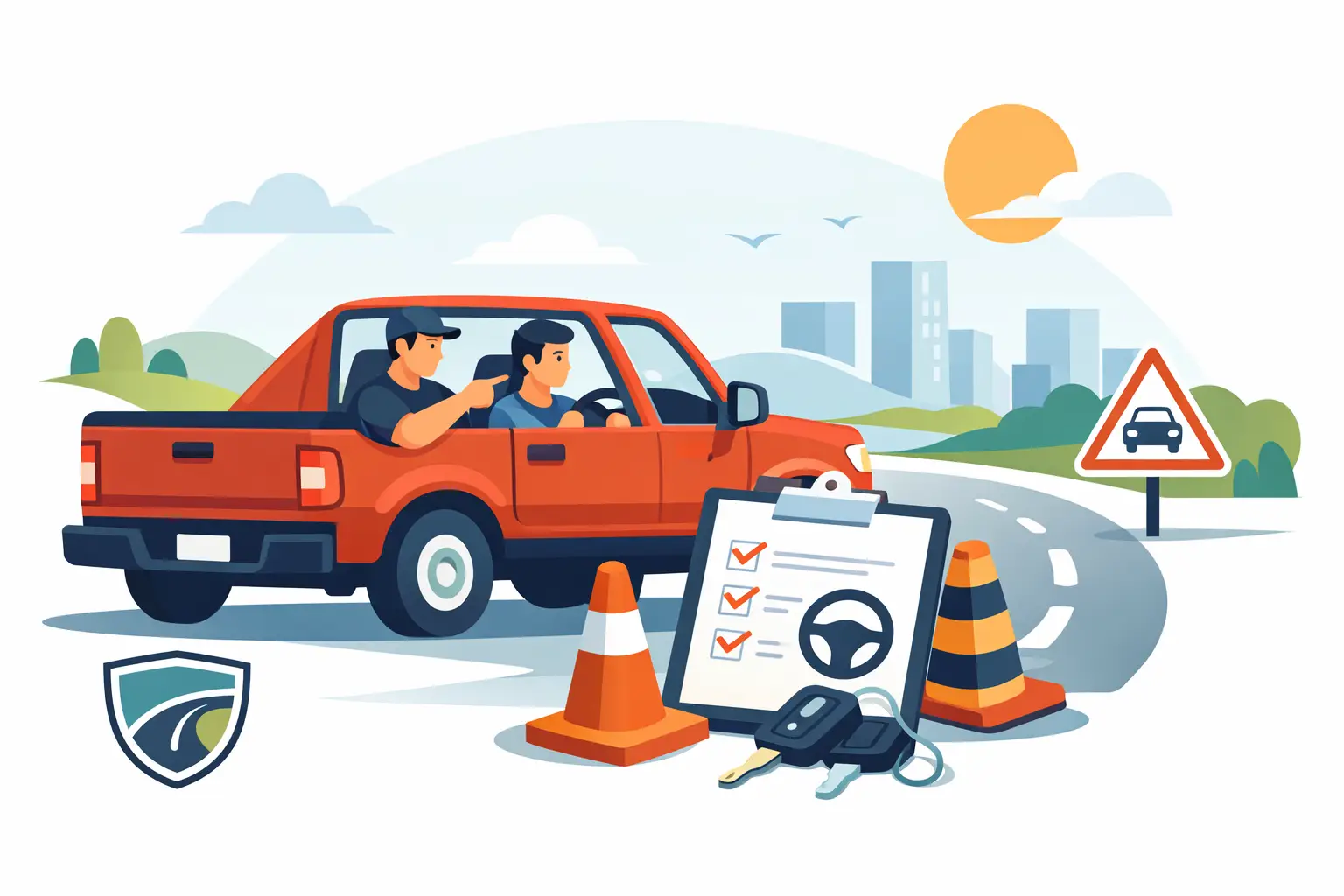
A driving lesson should begin with learning, not with figuring out how to get across town. Driving lessons with pickup give teens, busy adults, and families a more practical way to build real road skills. Instead of arranging a ride to an unfamiliar office, the student can be picked up from home, school, work, or another approved local location and begin the lesson in a DMV-certified training vehicle.
That convenience matters, but it is not the only benefit. A well-planned pickup lesson can create more time behind the wheel, reduce pre-lesson stress, and help an instructor see how a student handles the streets they use every day. For a new driver who is nervous, short on practice opportunities, or preparing for a DMV road test, that structure can make the training process feel far more manageable.
Why Driving Lessons With Pickup Work So Well
Learning to drive requires repetition in real conditions. Students need to make safe turns, judge gaps in traffic, manage intersections, park accurately, and make calm decisions when something unexpected happens. Those skills do not develop from watching someone else drive or memorizing DMV rules alone.
Pickup service removes one common barrier: transportation. Parents may be at work, adults may not have access to a licensed driver, and international residents may be adjusting to a new city and unfamiliar traffic patterns. When the instructor comes to the student, the lesson is easier to schedule and more likely to happen consistently.
It can also make the first lesson less intimidating. A student who arrives flustered after coordinating rides may need extra time to settle in. Beginning from a familiar location often gives new drivers a calmer starting point. The instructor can review the lesson plan, adjust mirrors and seating, explain vehicle controls, and assess the student’s current comfort level before moving into traffic.
For parents, pickup and drop-off can provide reassurance as well as convenience. Their teen trains in a properly equipped instructional vehicle with a professional instructor, rather than relying only on informal practice in the family car. Professional lessons do not replace parent practice, but they can give families a clear foundation for it.
What Happens During a Pickup Driving Lesson?
The pickup point is simply the starting location. The lesson itself should remain focused, structured, and tailored to the student. An instructor may begin in lower-pressure residential streets, then progress to busier roads, multi-lane traffic, parking areas, or routes that require more complex decision-making.
A first-time driver may spend time on steering control, smooth braking, lane position, right-of-way rules, and scanning for pedestrians. A student with some experience may need more focused work on lane changes, left turns, freeway entries, parallel parking, or correcting habits that could create problems during the DMV road test.
The best instruction is not a one-size-fits-all route. Someone who feels confident on quiet neighborhood streets but freezes at major intersections needs a different plan than someone who can drive in traffic but struggles with parking. At Newport Driving School, instructors can adapt the pace and skill focus to the student’s experience, learning style, and goals.
Lessons should also include feedback that is specific and usable. “Be more careful” is not enough. A student should understand what happened, why it mattered, and what to do differently next time. For example, an instructor might explain that the student began a turn too wide because they looked at the curb instead of through the intended path of travel. That turns a mistake into a skill the student can practice.
Familiar Roads Can Reveal Useful Habits
Starting near home, school, or work can help identify the driving situations a student will actually face after getting licensed. Perhaps there is a difficult left turn near school, a crowded shopping-center parking lot, or a busy merge on the route to work. These are practical places to practice safe observation, speed control, and decision-making.
Still, familiar roads should not be the only roads a learner sees. A driver who practices only one neighborhood may become comfortable with the route rather than competent in varied conditions. A balanced training plan gradually exposes the student to new streets, different traffic volumes, and the types of situations commonly evaluated on a DMV road test.
Pickup Service Is Especially Helpful for These Drivers
Teen drivers are an obvious fit because their schedules often revolve around school, activities, and family transportation. A pickup after class or from home can make professional training easier to fit into a busy week. It also helps parents create a predictable learning schedule without needing to leave work early for every lesson.
Adults learning later in life often value pickup for different reasons. Some have delayed getting licensed because they lacked transportation, felt anxious about driving, or lived in places where they did not need a car. They may prefer private, patient instruction without adding a long commute to an already full day.
Foreign drivers can benefit from pickup lessons while adapting to California driving laws, local road markings, DMV expectations, and the rhythm of Southern California traffic. Even experienced drivers from another country may need targeted practice with American right-of-way rules, school zones, lane discipline, and defensive driving habits.
Pickup lessons can also support students who do not have a suitable vehicle for practice. The training vehicle allows them to focus on driving technique in a controlled instructional setting. Before booking, students should confirm the school’s service area, pickup requirements, and whether their desired location is eligible.
Convenience Should Never Reduce Training Quality
Pickup is valuable only when it supports safe, professional instruction. The convenience of being picked up does not mean a lesson should feel casual or unplanned. A credible driving school should use qualified instructors, maintain appropriate training vehicles, follow safety procedures, and set clear expectations for appointments and cancellations.
Students should also be ready when the instructor arrives. Have your learner’s permit available when required, wear suitable shoes for pedal control, and avoid scheduling a lesson when you are exhausted, sick, or rushed. Driving demands attention. Showing up prepared helps the instructor use the full lesson time effectively.
There are practical limits to consider. Pickup availability may depend on distance, local scheduling, and instructor routes. A location that is outside the normal service area may require a different meeting point or may not be available at a preferred time. In dense traffic areas, an instructor may need to choose a nearby safe location rather than stopping directly at a busy entrance.
These are reasonable trade-offs when they are explained clearly. The goal is not simply to make the lesson easy to book. The goal is to make it safe, productive, and consistent.
How to Get More From Each Lesson
Progress comes faster when students treat each session as part of a larger plan. Before the lesson, think about what felt difficult during prior practice. Was it judging the distance to a stop line? Keeping a steady speed? Turning left across traffic? Tell the instructor. Honest feedback helps shape the lesson around the skills that need attention most.
Afterward, write down one or two corrections to practice. Keep them simple. A student might focus on checking mirrors before braking, looking farther ahead, or slowing earlier before a turn. Trying to correct every habit at once can create overload, especially for anxious beginners.
If a parent or another licensed adult will provide practice between professional lessons, discuss the same terminology and techniques used by the instructor. Consistency helps. A learner who receives conflicting directions from multiple adults may become hesitant rather than confident.
For students preparing for the DMV test, pickup lessons can be particularly useful when combined with a focused road test preparation plan. The instructor can identify whether the student is ready for the test, sharpen weak areas, and help the driver practice the calm, consistent habits examiners look for. Passing matters, but lasting safety matters more.
A More Practical Path to Independence
The best driving education fits into real life while still holding students to high safety standards. Pickup and drop-off service can remove unnecessary logistical stress, give families more flexibility, and create a reliable routine for developing skill behind the wheel.
Whether you are a parent scheduling lessons for a teen, an adult finally pursuing a license, or a driver preparing for the California DMV road test, choose instruction that meets you where you are and moves you forward with patience, accountability, and purpose. The destination is not just a passing score. It is the confidence to make sound decisions every time you take the wheel.

Related Posts


Comments (0)