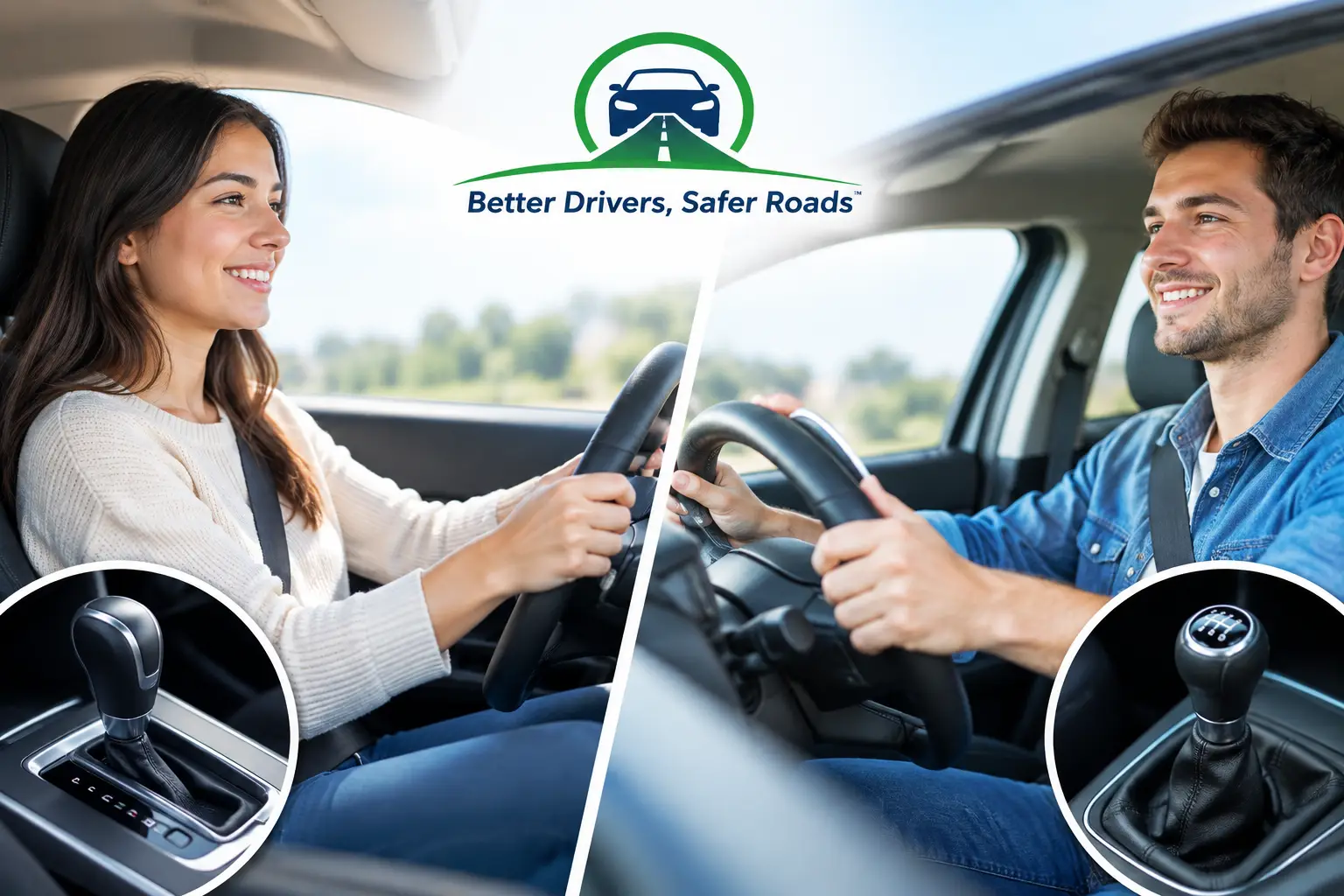
Choosing automatic versus manual driving lessons affects your license, confidence, practice options, and DMV goals. Learn which fit is right for you today.
Learning Disabilities Driving Support Guide
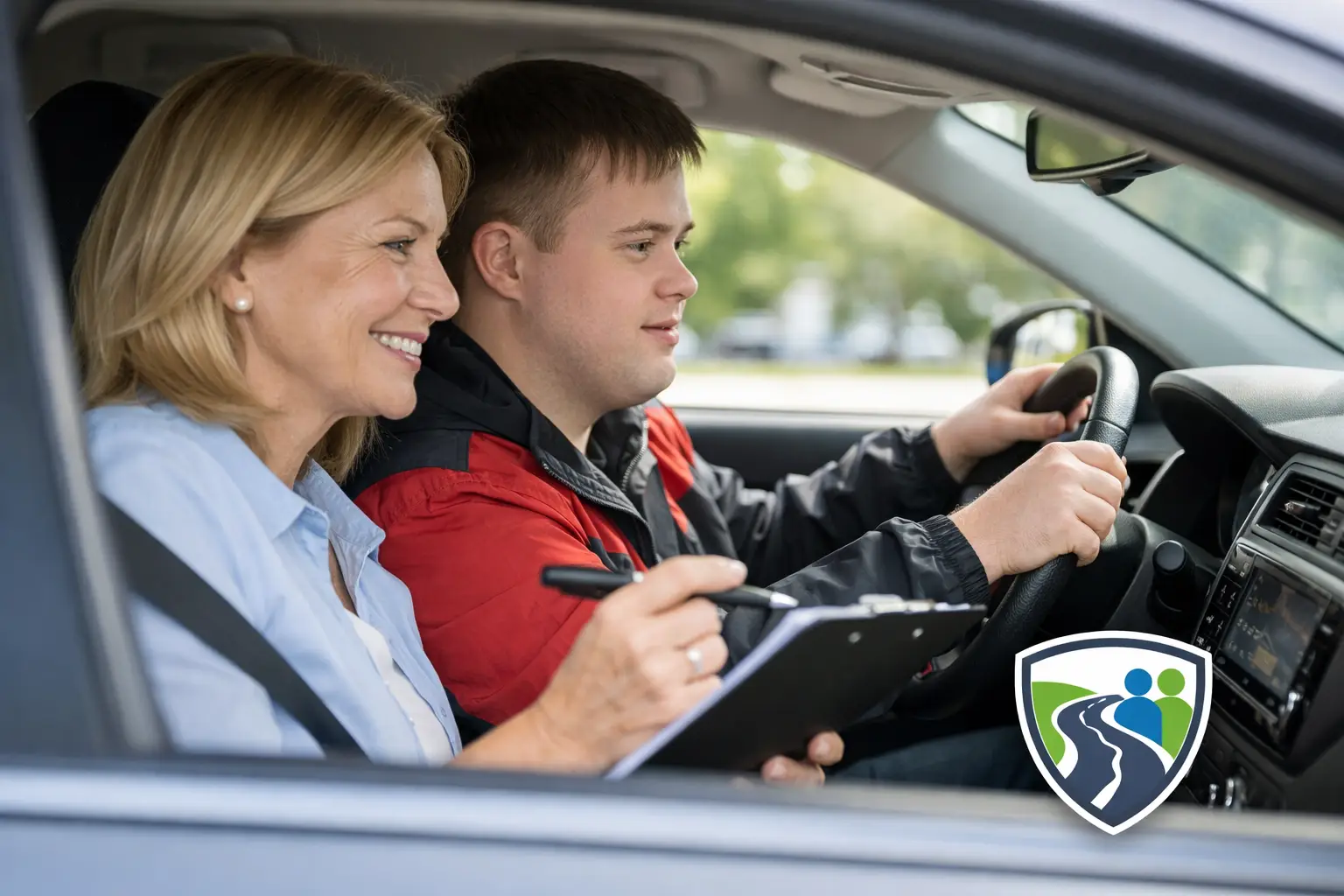
A missed turn, a crowded intersection, or a rapid set of instructions can make learning to drive feel overwhelming. This learning disabilities driving support guide focuses on what helps most: instruction that is paced clearly, practiced consistently, and adjusted to the learner rather than forcing every student into the same method.
A learning disability does not automatically prevent someone from becoming a safe, licensed driver. It may mean that reading signs quickly, remembering multi-step directions, judging timing, organizing information, or staying focused requires a different approach. The goal is not to rush toward a road test. The goal is to build repeatable habits that hold up when traffic becomes busy and decisions need to happen quickly.
Start With Functional Driving Needs, Not Labels
Learning disabilities affect people differently. Two students with the same diagnosis may need entirely different support behind the wheel. One learner may understand traffic rules but struggle to apply them while steering. Another may drive smoothly yet need extra time to process written permit-test questions or route directions.
A useful starting point is identifying the specific driving tasks that create difficulty. These can include following a sequence such as mirror, signal, check, and move; remembering right-of-way rules; scanning for pedestrians and cyclists; estimating space when parking; or recovering calmly after an error.
Parents and adult learners should share these needs before the first lesson whenever possible. A qualified instructor can then choose a teaching pace and communication style that gives the student a fair opportunity to learn. That may mean one instruction at a time, brief practice blocks, repeated routes, visual reminders, or additional time to review a skill after the vehicle is parked.
Build Skills in a Predictable Order
Driving asks the brain to manage many tasks at once. For a learner who processes information differently, the most effective method is usually to reduce complexity first and add it back gradually. Early lessons should not be a test of how much a student can handle. They should create a stable foundation.
Begin in low-pressure environments where the student can focus on vehicle control, steering, braking, mirror use, and basic turns. Once those actions feel more automatic, add quiet neighborhood intersections, then larger roads, lane changes, parking, and more complex traffic patterns.
This progression matters because a student who is still thinking hard about brake pressure has less attention available for signs, hazards, and right-of-way decisions. Repetition builds automatic responses. Automatic responses create more mental space for safe judgment.
Use Consistent Language and Routines
Clear, consistent wording reduces confusion. If an instructor uses one phrase for every lane change, such as “mirror, signal, shoulder check, move when clear,” the learner can practice the same sequence until it becomes familiar. Changing the wording every lesson may sound minor, but it can make recall harder for some students.
The same principle applies to parking, turns, and approaching intersections. A dependable routine gives students something concrete to return to when they feel anxious. It also makes feedback easier to understand: instead of hearing “be more careful,” the learner can identify the missed step in a known sequence.
Practice One Goal at a Time
Trying to correct steering, speed, observation, and signaling all at once can leave a student discouraged. A better lesson may focus on one primary objective, such as maintaining lane position or recognizing uncontrolled intersections. Other safety concerns still need correction, but the student should leave knowing what they improved and what to practice next.
Short, frequent lessons can be more productive than long sessions for students who fatigue easily or lose focus over time. The right schedule depends on the learner. Some students benefit from weekly consistency, while others make stronger progress with two shorter sessions close together. What matters is enough repetition between lessons to prevent skills from fading.
Make Written Rules Easier to Learn
The California permit test requires more than memorization. Students need to understand why rules exist and how they appear on the road. Reading the driver handbook in small sections, reviewing one topic at a time, and taking practice questions after each section can make studying more manageable.
For students with reading, language-processing, or attention-related challenges, it helps to convert abstract rules into driving situations. Rather than only memorizing a right-of-way rule, discuss a four-way stop scenario: who arrives first, what happens when two vehicles arrive together, and where pedestrians fit into the decision.
Visual study methods may also help. Some learners retain signs better by grouping them by shape, color, and purpose. Others benefit from saying answers aloud, using flashcards, or having a parent read questions while the student explains the reasoning. The method should support understanding, not simply produce a high practice-test score.
If a learner believes they may need testing accommodations, contact the California DMV well before the appointment. Requirements and available accommodations can depend on the individual request and supporting documentation. Do not wait until test day to ask.
Choose an Instructor Who Can Adapt
A supportive instructor is not someone who ignores errors. Safe driving requires direct correction. The difference is in how that correction is delivered: calmly, specifically, and in a way the student can use on the next attempt.
Before booking lessons, ask how the school adjusts instruction for learners who need additional processing time, repeated practice, visual explanations, or help managing driving anxiety. Ask whether the instructor can provide a clear lesson plan and communicate progress to a parent or adult student after each session.
At Newport Driving School, personalized behind-the-wheel instruction is designed around each student’s learning style and skill level. For families, that means the lesson plan can focus on the real barrier to progress, whether it is parking, decision-making at intersections, test anxiety, or building confidence in traffic.
A good instructor also knows when to slow down. Pushing a student into freeway driving or a DMV road test before core skills are reliable can damage confidence and create avoidable safety risks. Progress should be measured by consistency, not by how quickly someone completes a set number of lessons.
Support Anxiety Without Avoiding Practice
Anxiety and learning challenges often overlap in driver training. A student may fear making mistakes, become frustrated after receiving several directions, or shut down after one difficult drive. That response is understandable, but avoiding practice entirely can reinforce the fear.
The answer is controlled exposure. Practice the hard skill in a setting that is manageable, then repeat it until it feels less unfamiliar. For example, a student nervous about left turns can begin at quiet intersections, progress to protected green-arrow turns, and later practice yielding turns with an instructor’s guidance.
After each drive, review what went well before discussing the next improvement. Specific feedback is more useful than broad reassurance. “You checked your mirrors before braking and kept a safe following distance” gives a learner evidence that their skills are growing.
Prepare for the DMV Road Test With Realistic Practice
Road-test preparation should reinforce safe habits, not teach tricks. Students need to demonstrate observation, speed control, proper turns, lane positioning, backing, parking, and sound decision-making. They also need to manage the pressure of being evaluated.
A practice road test can help identify whether the issue is a driving skill, a missed instruction, or nerves. It also gives the student experience receiving directions from someone other than a parent. For learners who struggle with processing verbal information, practicing short, calm instructions before the test can reduce surprises.
However, readiness is individual. A student who needs extra lessons is not failing. Additional time may be the responsible choice when key behaviors are still inconsistent, especially scanning, braking, right-of-way decisions, and lane control. A license should represent dependable safety, not just a pass on one afternoon.
Keep Progress Moving Between Lessons
Practice outside formal lessons is valuable when the supervising adult is calm, licensed, and able to reinforce the same routines. Keep drives purposeful. Instead of taking an unplanned trip through heavy traffic, choose one goal and one familiar route.
A simple written practice log can help students see improvement over time. Record the date, route, skill practiced, what felt easier, and what needs another attempt. This is especially helpful for learners who tend to remember mistakes more strongly than successes.
Most importantly, protect the student’s dignity. Driving is a complex learned skill, not a measure of intelligence or maturity. With patient instruction, the right level of challenge, and enough repetition, many learners who once felt intimidated by the driver’s seat can develop the judgment and confidence needed to drive safely.

Related Posts


Comments (0)