Use this teen driving lesson timeline guide to plan California permit practice, professional lessons, and road-test readiness without rushing safety first.
Road Safety Habits That Protect Every Drive
A safe drive is often decided before anyone turns the key. A driver who is rested, focused, properly positioned, and willing to wait for a safe opening has already made several choices that support road safety. For new drivers, those choices can feel like a lot to manage at once. For experienced drivers, they can be easy to overlook because familiar routes create false confidence.
Road safety is not about driving timidly or assuming every other motorist will make a mistake. It is the ability to recognize risk early, make calm decisions, and leave enough time and space to respond. That skill protects a teen on the way to school, a parent carrying passengers, an adult learning later in life, and a driver preparing for a California DMV road test.
Road Safety Begins With Attention
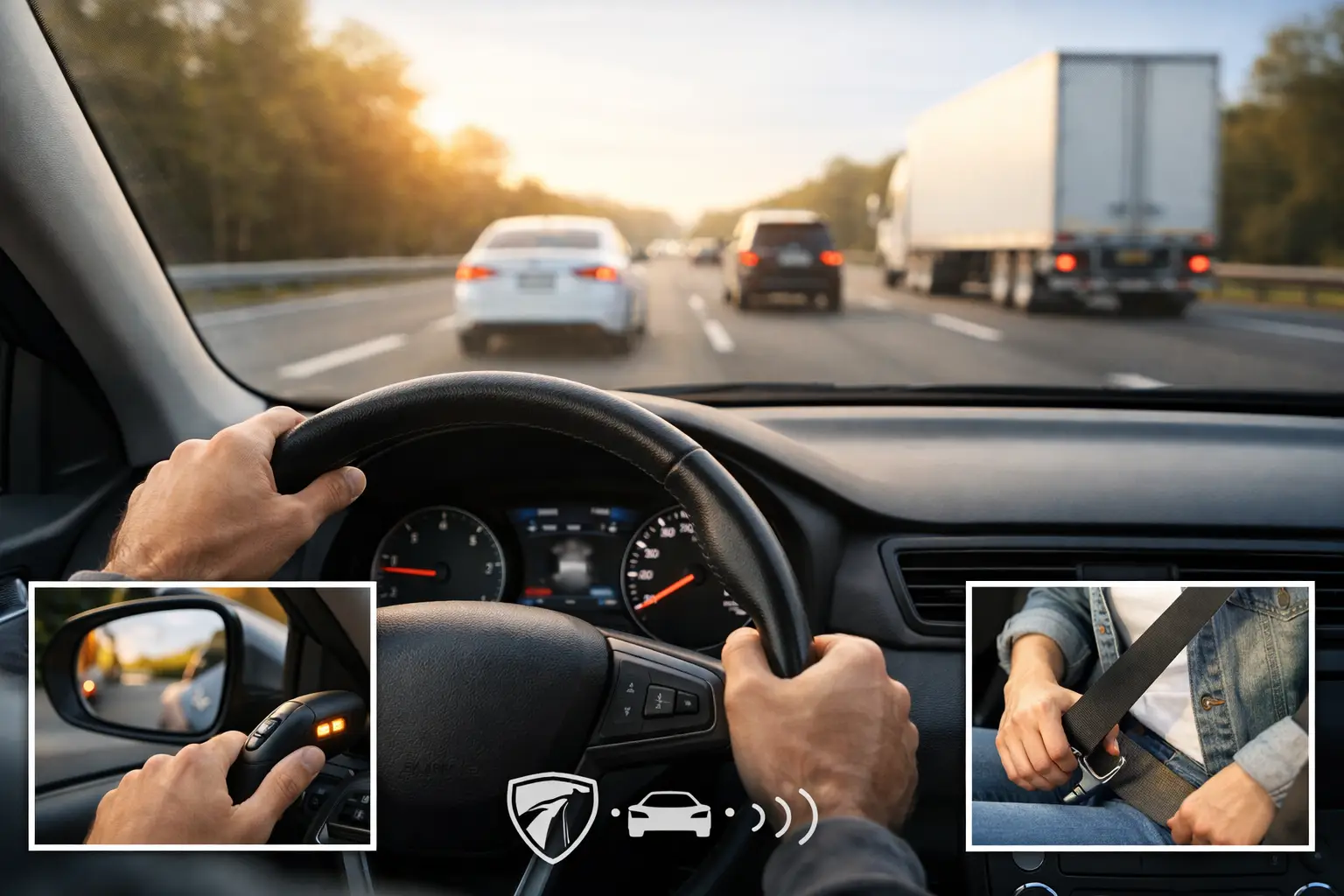
Modern vehicles can warn drivers about nearby cars, lane movement, and obstacles. Those features can help, but they do not replace attention. The driver is still responsible for scanning the road, checking mirrors, reading traffic patterns, and responding to changing conditions.
Distraction is more than texting. It includes changing music, searching for an address, eating, reaching for an item, or continuing an emotional conversation. Even a brief glance away from the roadway can be enough for traffic to slow unexpectedly or for a pedestrian to enter a crosswalk.
Set up the vehicle before leaving. Adjust the seat and mirrors, choose music and navigation, secure loose items, and put the phone away. If directions need to change, pull over somewhere legal and safe. This is especially useful for drivers who are still building confidence because it reduces the number of decisions competing for their attention.
Use a Consistent Visual Search Pattern
Looking straight ahead is not the same as actively searching. A strong visual routine moves between the roadway ahead, mirrors, intersections, driveways, crosswalks, parked vehicles, and the space several seconds ahead of the car.
At intersections, do not rely solely on a green light. Check left, right, and left again before proceeding, particularly when turning. Another driver may run a red light, a cyclist may approach from a blind spot, or a pedestrian may still be crossing. The legal right-of-way does not eliminate the need to verify that the path is clear.
On busy Orange County streets, hazards can develop quickly around shopping centers, school zones, freeway entrances, and crowded parking lots. Slow visual scanning creates late reactions. Active scanning gives a driver options.
Create Space Instead of Chasing Traffic
Following too closely is one of the most common decisions that turns a manageable situation into a collision. A safe following distance gives you time to notice brake lights, assess what is happening, and stop smoothly rather than react sharply.
A practical baseline is to select a fixed object ahead and count the seconds between when the vehicle in front passes it and when you pass it. In clear, dry conditions, leave at least three seconds. Increase that cushion at night, in rain, on slick roads, in heavy traffic, when towing, or when driving behind motorcycles and large vehicles. It depends on speed, visibility, vehicle condition, and the behavior of traffic around you.
Space matters beside and behind the vehicle as well. Avoid driving for long periods in another vehicle’s blind spot. When possible, move through blind areas deliberately rather than lingering. If someone is following too closely, do not brake-check them. Maintain a steady speed, increase your distance ahead, and safely change lanes or allow the driver to pass when appropriate.
Make Lane Changes Deliberate
A turn signal is a communication tool, not permission to move. Before changing lanes, check mirrors, signal early, look over your shoulder for vehicles in the blind spot, and confirm there is enough room to enter without forcing another driver to brake.
New drivers sometimes focus only on the lane they want. Experienced drivers may assume a quick mirror check is enough. Both habits create risk. Motorcycles, bicycles, and fast-moving vehicles can be difficult to see, particularly on multilane roads and freeways.
If there is any doubt, wait. Missing an exit or taking the next turn is inconvenient. Moving into an occupied lane is far more costly.
Match Your Speed to Conditions
The posted speed limit is a maximum under ideal conditions, not a requirement to drive at that speed. Rain, glare, fog, construction activity, road debris, heavy traffic, and limited visibility all call for a lower speed and more following distance.
Speed also affects the severity of a crash. A few extra miles per hour can significantly reduce the time available to react and increase the force involved if a collision occurs. This is why school zones, residential streets, and parking lots require patience even when the road appears clear.
Drivers should also avoid the opposite problem: traveling much slower than surrounding traffic without a reason. On a freeway, use the appropriate lane, maintain a predictable speed when conditions permit, and avoid abrupt changes. Predictability helps other road users understand what you are likely to do next.
Treat Intersections, Crosswalks, and Parking Lots as High-Risk Areas
Many serious driving errors happen at relatively low speeds. Intersections involve vehicles turning, pedestrians crossing, cyclists moving alongside traffic, and drivers making last-second decisions. Parking lots add backing vehicles, narrow lanes, hidden children, carts, and drivers focused on finding a space rather than yielding properly.
Before making a turn, reduce speed early and look for people crossing in every direction. Yield when required, and never turn around a vehicle stopped at a crosswalk. That vehicle may be yielding to someone you cannot see.
When backing, move slowly and turn your head to look through the rear window whenever practical. Cameras and sensors are useful aids, but they can miss objects or give a limited perspective. If visibility is blocked, stop and reassess rather than guessing.
Prepare for Night, Weather, and Driver Fatigue
Some conditions demand a different driving strategy. At night, your ability to see hazards is limited by headlight range, glare, and darker clothing worn by pedestrians. Reduce speed enough that you can stop within the distance you can clearly see. Keep headlights, mirrors, and windows clean, and avoid staring directly into oncoming high beams.
In wet weather, smooth inputs matter. Brake earlier, accelerate gradually, and avoid sudden steering movements. Standing water can reduce tire grip and conceal potholes or debris. If the vehicle begins to skid, look and steer toward the direction you want the vehicle to travel, avoid panic braking, and ease off the accelerator as appropriate.
Fatigue deserves the same seriousness as impairment. A tired driver may miss signs, drift within a lane, or react too late. Opening a window or turning up the music is not a reliable solution. If you are struggling to stay alert, pull over safely, rest, or arrange another way to travel.
Build Skills Before You Need Them
Confidence comes from repeated, guided practice – not from being rushed into difficult conditions. A new driver should practice in stages: quiet residential streets, controlled intersections, busier traffic, lane changes, freeway driving, parking, and night or wet-weather conditions when it is safe to do so.
Each practice drive should have a purpose. One session may focus on smooth stops and maintaining following distance. Another may focus on scanning at intersections or safely entering a freeway. This approach helps drivers understand not only what to do, but why the decision matters.
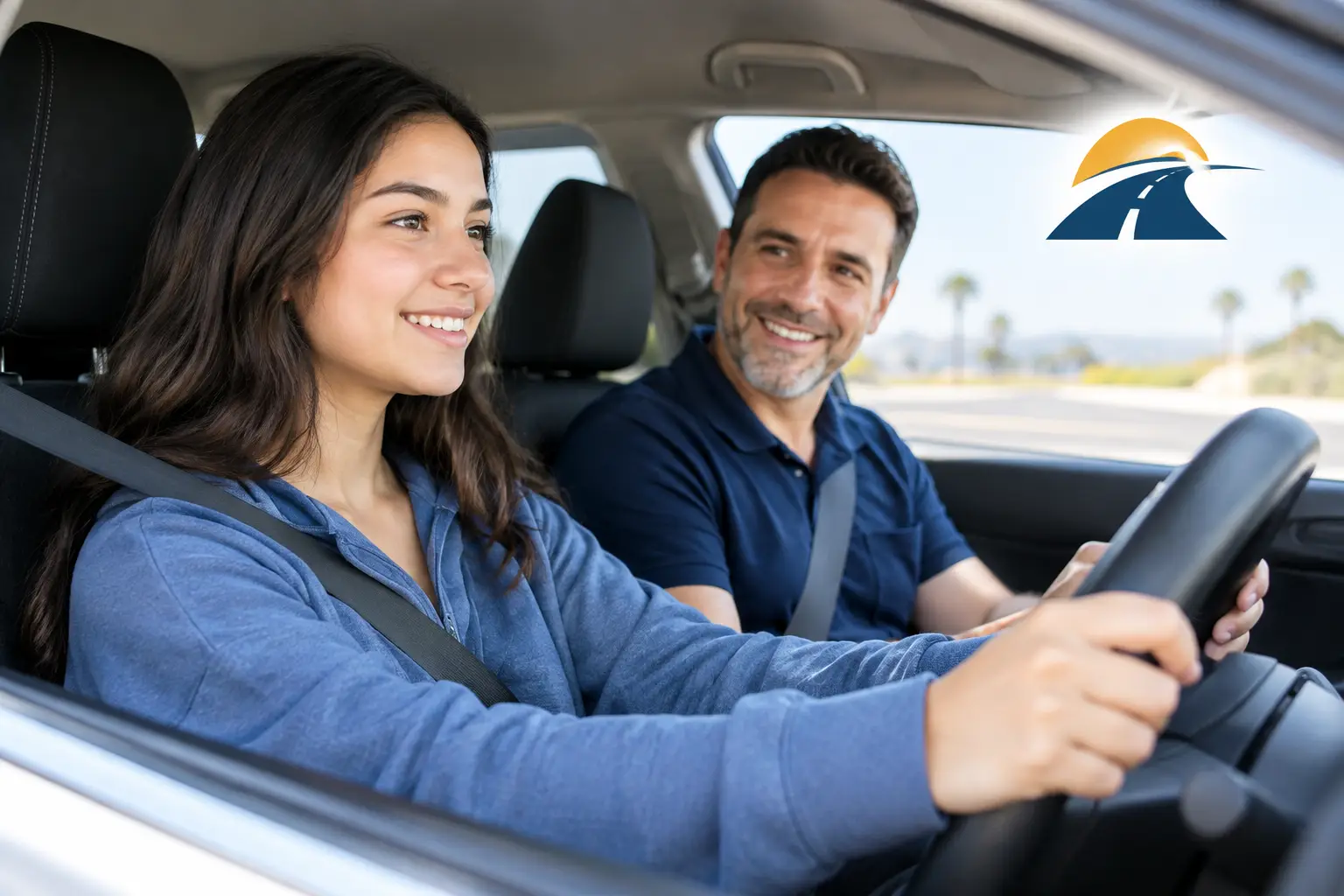
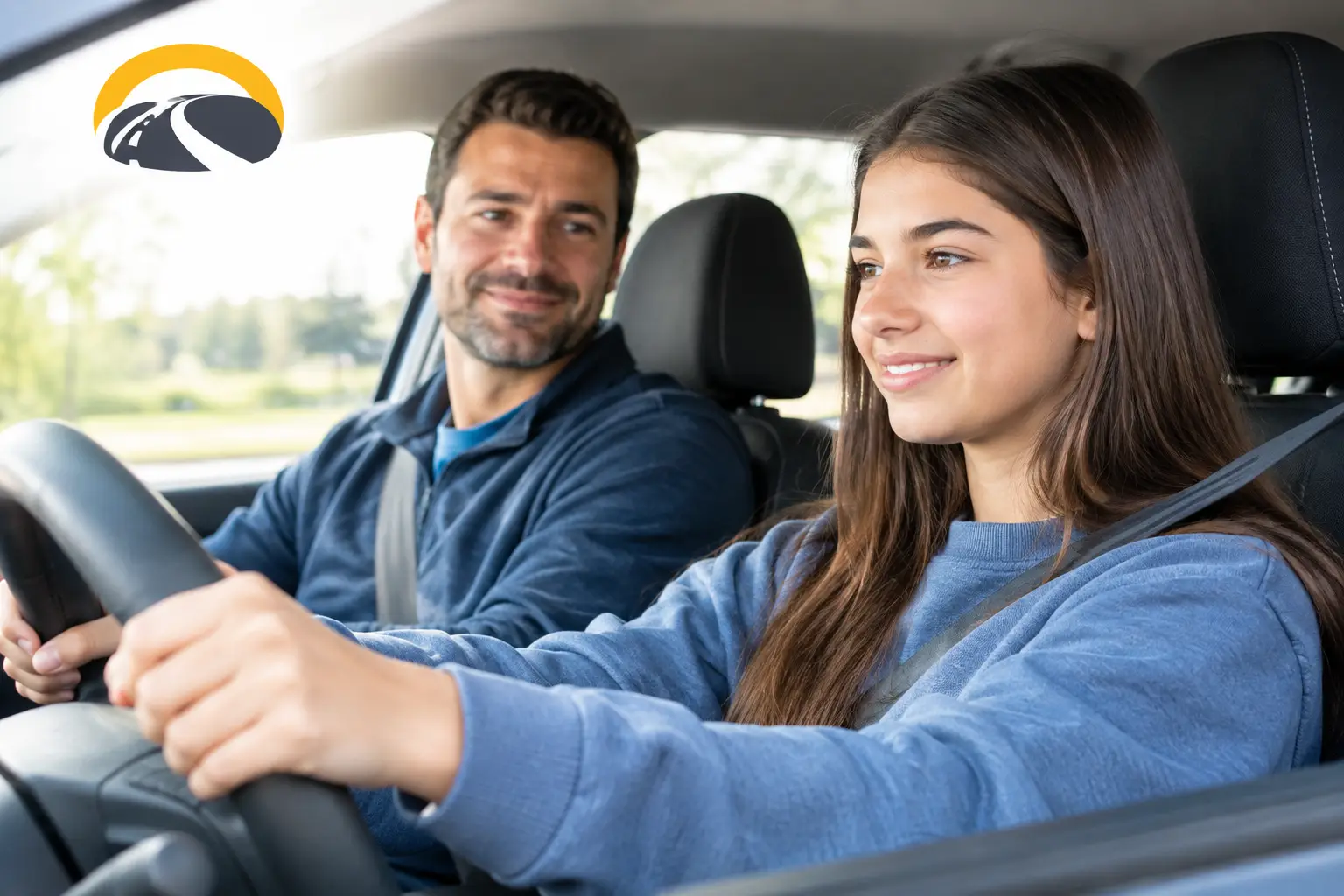
Professional instruction can be particularly valuable for anxious learners, teen drivers, adults returning to driving, and international drivers adapting to California traffic laws. A patient instructor can identify habits that are difficult to notice from the driver’s seat, such as late braking, incomplete stops, poor mirror use, or turning too wide. Newport Driving School has built its training around personalized instruction because drivers do not all learn at the same pace or need the same type of practice.
Make the Safe Choice Easy to Repeat
The most dependable drivers are not perfect. They make small corrections before small problems become emergencies. They leave earlier so they do not need to rush, skip a questionable turn instead of forcing it, and pull over when distraction or fatigue takes over.
Every trip is another opportunity to practice those decisions. The destination matters, but arriving there with control, awareness, and respect for everyone sharing the road matters more.

Related Posts

Comments (0)