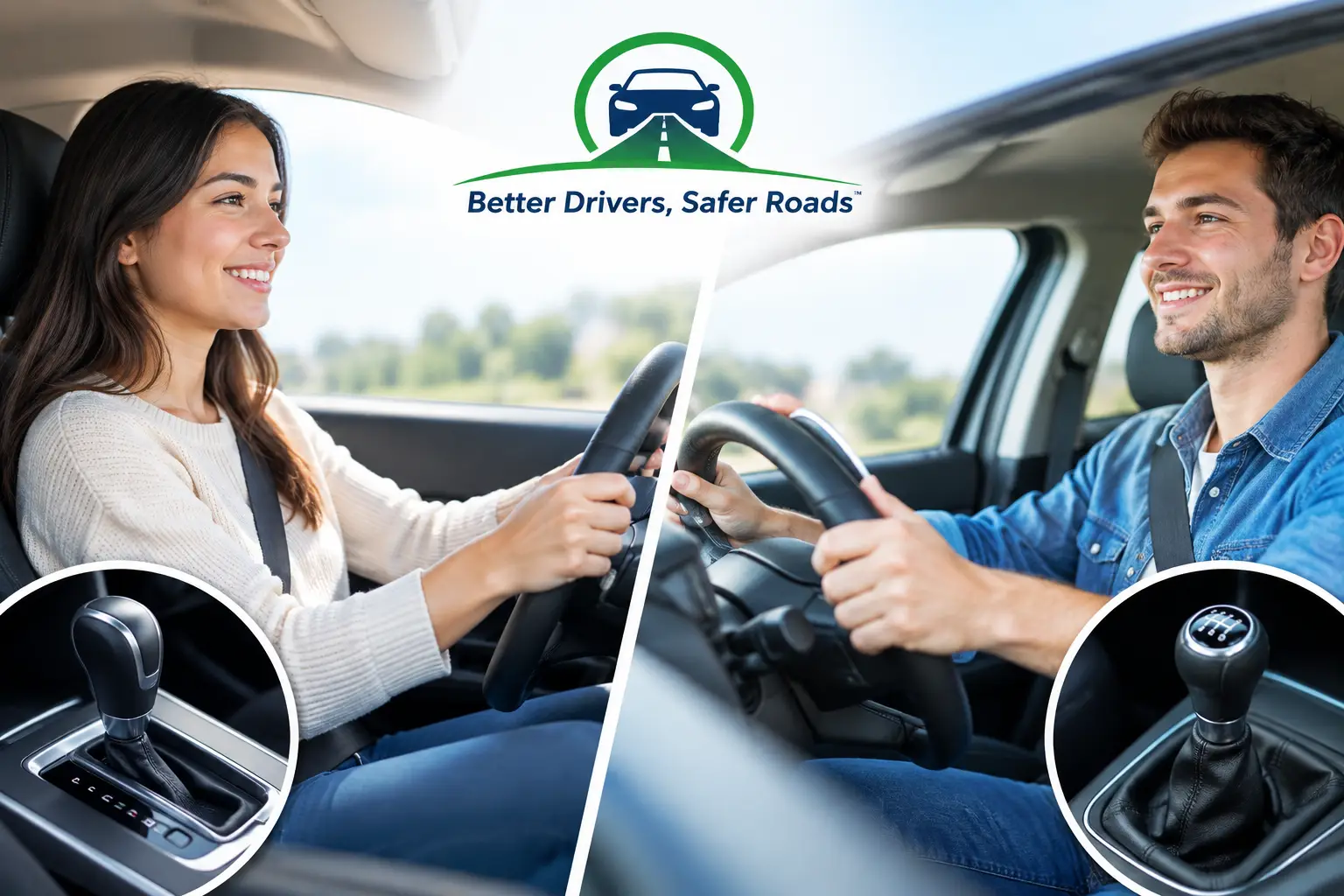
Choosing automatic versus manual driving lessons affects your license, confidence, practice options, and DMV goals. Learn which fit is right for you today.
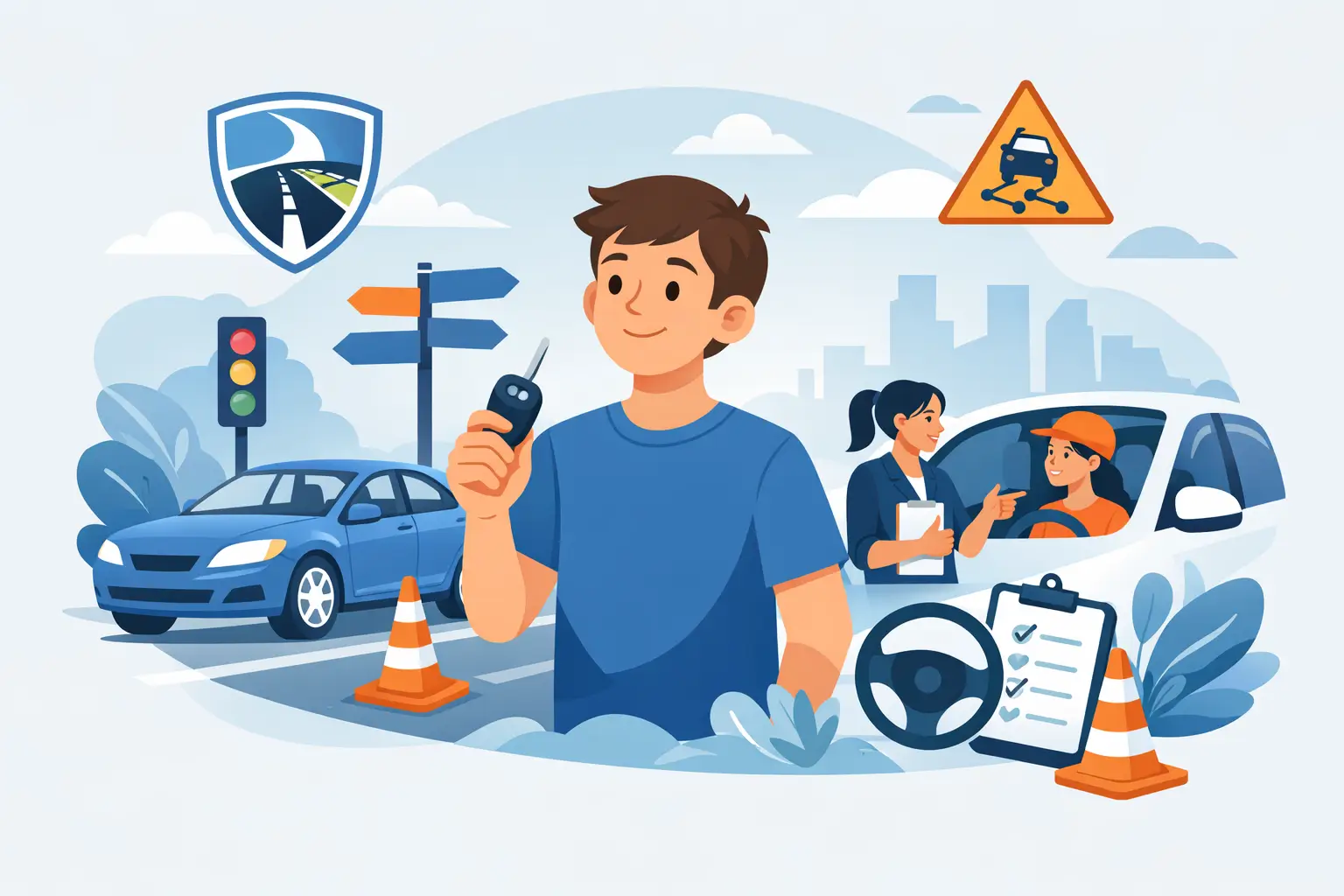
How to Choose the Best Teen Driving Schools
A teen can memorize road signs, pass a permit test, and still feel overwhelmed when merging onto a busy street for the first time. That gap between knowing the rules and using them calmly is exactly why parents searching for the best teen driving schools should look beyond a low price or the fastest available lesson package.
A quality driving school does more than help a student check off California’s required training hours. It gives teens practical judgment, repeatable safety habits, and the confidence to make good decisions when traffic is unpredictable. For parents, it also provides an experienced, neutral instructor who can teach without the tension that sometimes comes with family practice drives.
What the Best Teen Driving Schools Do Differently
The strongest programs treat each student as an individual. Some teens are eager to get behind the wheel but need help slowing down and scanning farther ahead. Others understand the rules but freeze at unprotected left turns, freeway entrances, or crowded parking lots. A one-size-fits-all lesson may meet a minimum requirement, but it does not always prepare a new driver for real independence.
Look for a school that assesses a student’s starting point and adjusts instruction accordingly. That includes pacing lessons appropriately, explaining mistakes without embarrassment, and revisiting difficult skills until they become consistent. Patience matters, but so does clear direction. Teens need to know not only what to do, but why a choice is safer.
Professional instruction should also move beyond the DMV test route. Passing the road test is a meaningful milestone, yet safe driving requires skills that may not appear during a short exam: managing space around the vehicle, anticipating another driver’s mistake, judging gaps in traffic, driving in rain, and staying focused when friends or phones create distractions.
Start With Legitimacy and Instructor Quality
A driving school should be properly licensed to provide driver training in California, and its instructors should meet state requirements. Parents should feel comfortable asking direct questions about instructor qualifications, background checks, training vehicles, insurance, and how the school handles safety concerns.
Instructor quality is often the difference between a teen who simply completes lessons and one who actually learns. The right instructor is calm, observant, and direct. They correct unsafe habits immediately, but they do not create unnecessary anxiety. They also understand that teens learn at different speeds and may need instructions explained in more than one way.
Experience is valuable, particularly when an instructor has worked with nervous beginners, students with attention challenges, or teens who need more structure behind the wheel. A school that has taught drivers for many years has likely seen the common errors that lead to failed tests and, more importantly, real-world close calls.
At Newport Driving School, personalized instruction has been central to serving California learners since 1997. For a teen, that kind of individualized approach can make lessons feel challenging without becoming discouraging.
Make Sure the Program Covers California Requirements
California teens have specific requirements before they can progress from a learner’s permit to a provisional license. A reputable school should clearly explain what is included in driver education, behind-the-wheel training, and any additional practice the teen must complete with a parent or guardian.
Do not assume every package includes the same services. Some programs cover the required professional behind-the-wheel sessions but leave families to arrange all other preparation. Others combine online driver education, in-car lessons, permit test support, and DMV road test preparation. Neither approach is automatically better. The right choice depends on how much support the teen needs and how much supervised practice is available at home.
Ask the school how it documents completed training and whether it explains the next steps clearly. Families should never be left guessing about certificates, DMV appointments, permit restrictions, or the practice requirements that continue after a lesson ends.
Look Closely at What Happens During In-Car Lessons
The phrase “behind-the-wheel training” can sound standardized, but the actual lesson experience varies widely. Before enrolling, ask how long each lesson lasts, whether the student drives for the full scheduled time, and which skills are covered as training progresses.
Early lessons should establish vehicle control and observation habits. That usually includes steering, braking, turns, intersections, lane position, mirrors, and parking. As the student becomes more capable, instruction should expand to busier roads, lane changes, freeway driving when appropriate, complex intersections, and defensive driving techniques.
A useful program gives feedback throughout the lesson and identifies specific goals for the next session. “Practice more” is not enough. A teen benefits from clear guidance such as maintaining a larger following distance, checking blind spots before every lane change, or reducing speed earlier before turns.
Training vehicles also matter. They should be well maintained, properly insured, and equipped with an instructor brake. That extra control is not a substitute for good teaching, but it creates a safer learning environment when a new driver makes an expected mistake.
Convenience Helps, but Safety Should Lead the Decision
Pickup and drop-off service can be a major benefit for busy families, especially in Orange County and surrounding Southern California communities where schedules and distances can make coordination difficult. Flexible lesson times, online course options, and help arranging DMV test preparation can also reduce stress.
Still, convenience should not be the only deciding factor. A school that can start tomorrow is not necessarily the school that will provide thoughtful instruction. Ask whether lessons are rushed, whether the teen will work with a consistent instructor when possible, and whether the school offers enough scheduling flexibility to space lessons in a way that supports learning.
There is a trade-off here. Intensive lessons may help a student prepare for an upcoming DMV appointment, while lessons spread over several weeks can give the teen more time to practice and retain each skill. For most beginners, a steady progression paired with home practice produces better long-term confidence than trying to compress everything into a few days.
Read Reviews for Details, Not Just Star Ratings
Reviews can reveal patterns that a polished course description cannot. Instead of focusing only on the overall rating, read what families say about communication, instructor demeanor, reliability, and whether their teen felt more confident after training.
The most helpful reviews mention specifics. Did the instructor explain freeway merging in a way the student understood? Was the school responsive when a lesson needed to be rescheduled? Did the teen receive patient support after failing a prior road test? These details are more useful than a generic statement that a school was “great.”
Also pay attention to how a business handles concerns. A dependable school communicates clearly, treats families respectfully, and takes feedback seriously. Trust is especially important when someone else will be in the passenger seat during your teen’s first experiences in traffic.
Questions Parents Should Ask Before Enrolling
A short phone call can clarify whether a school is a strong fit. Ask whether the program is designed specifically for teen beginners, how instruction is adapted for nervous or inexperienced students, and what skills are included beyond the minimum state requirements. Confirm the length of each lesson, the type of training vehicle used, and what the school recommends for parent-supervised practice.
It is also reasonable to ask how the school prepares students for the DMV road test. Good test preparation should reinforce safe driving fundamentals rather than teach a teen to memorize a route. The goal is a student who can respond correctly even when the test location, traffic pattern, or examiner’s directions feel unfamiliar.
Finally, ask about communication. Parents do not need a moment-by-moment report, but they should receive useful information about progress, strengths, and areas that need practice at home. That partnership helps everyone give the teen consistent guidance.
The Goal Is a Safe Driver, Not Just a Licensed One
A driver’s license gives a teen freedom, but it also introduces decisions that carry real consequences. The best school will respect that responsibility. It will teach a student to recognize risk early, avoid pressure from passengers, put the phone away, and choose caution when conditions are uncertain.
The right driving school should leave your teen feeling capable rather than overconfident. When a new driver can calmly check mirrors, manage speed, anticipate hazards, and make safe choices without being prompted, the lessons have done far more than prepare them for a test. They have helped build habits that can protect them long after the temporary license is replaced.

Related Posts

Comments (0)